
Modular Prefabrication of Houses
Modular prefabrication of houses is a construction method that involves breaking down a building into independent modules, prefabricating them in a factory, and then transporting them to the site for assembly.
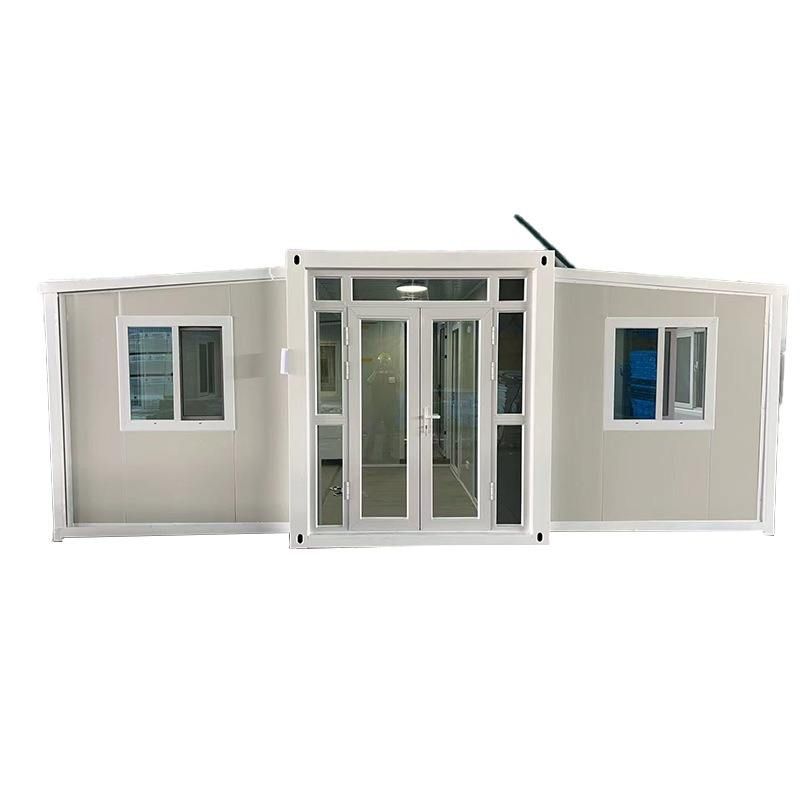
I. Construction Process Modular prefabrication of houses divides a building into independent modules through standardized design, covering the building's main structure, enclosure structure, equipment pipelines, and interior decoration. All modules are manufactured and installed on the factory assembly line, including ceilings, floors, water and electricity pipelines, walls, and bathroom waterproof layers. For example, a public housing project in Shenzhen, Guangdong, assembled five residential buildings nearly 100 meters high using 6,028 concrete modules. The modules integrated pipeline and decoration systems, and only hoisting and assembly were required on-site to complete the main structure.
II. Core Advantages
- Significantly Shortened Construction Period: Modular construction enables parallel operations, with factory prefabrication and on-site foundation construction occurring simultaneously. For instance, the public housing project in Dinghui Temple North Plot, Haidian District, Beijing, reduced the total construction cycle by 50%-60% using modular technology, while the Shenzhen project compressed the completion and delivery time from 2.5-3 years to 1 year.
- Outstanding Seismic and Environmental Performance: High-strength connection nodes are used between modules, resulting in an overall structure with superior seismic performance compared to traditional buildings. Factory production reduces construction waste by approximately 80% and lowers pollution such as dust and noise.
- Controllable Quality and Convenient Maintenance: The factory environment ensures precise material processing, avoiding on-site construction errors. Modular design facilitates later inspection, repair, and replacement, such as the independent disassembly and maintenance of pipeline systems.
III. Application Scenarios and Policy Support This technology has been widely applied in residential buildings, schools, hospitals, and other scenarios. Many regions in China have introduced policies to promote its development, such as Guangzhou and Shenzhen, which encourage the application of modular buildings through subsidies and approval optimization. The public housing project in Dinghui Temple North Plot, Haidian District, Beijing, as the first concrete modular public housing in Beijing, marks a breakthrough in the technology's application to high-rise buildings. The Shenzhen project has verified its feasibility in super high-rise buildings through large-scale application.
IV. Typical Cases
- Public Housing Project in Dinghui Temple North Plot, Haidian District, Beijing: The first concrete module was hoisted in May 2026. Modular technology was used to build affordable rental housing, achieving a dual improvement in construction efficiency and building quality.
- Public Housing Project in Shenzhen, Guangdong: Five high-rise residential buildings were assembled using 6,028 modules, reducing on-site labor by approximately 50% and shortening the construction period by more than 50%. This provides a practical model for super high-rise modular buildings.



