
Modular Prefabricated Housing
Modular prefabricated housing is a construction model that breaks down buildings into independent modules, prefabricates them in factories, and then transports them to the site for assembly. It offers advantages such as short construction periods, environmental friendliness, and controllable quality, and is widely applied in various scenarios with broad market prospects.
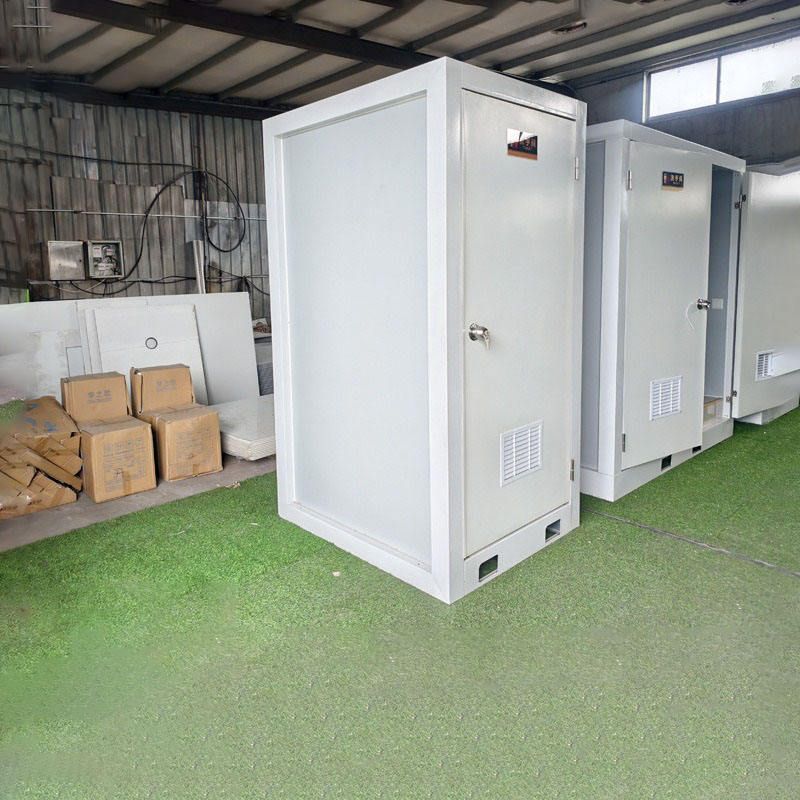
Construction Model and Core Features
Modular prefabricated housing completes the production and installation of building main structures, enclosure structures, equipment pipelines, and interior decorations in factories, forming standardized prefabricated assembled spatial modules, which are then transported to the site for assembly and connection into buildings. Its core features are standardized design, factory-based production, and assembly-based construction. In factories, ceilings, walls, bathroom waterproof layers, etc., are all completed, and scattered components are produced separately and then sent to the assembly station for final assembly. A large number of modules can be delivered each year. Each module has a detailed 'ID card' containing information such as project name, product model, and production date. The positions of steel bars are positioned in millimeters, with strict control over errors and precision.
Significant Advantages
- Substantially shortened construction periods: For example, a rural house can be built in 14 days, and the total construction period can be shortened by about 50% compared to traditional methods. In some projects, the completion and delivery period has been reduced from 2.5 to 3 years to 1 year, and the on-site labor force has been reduced by about 50%.
- Environmentally friendly: It can reduce construction waste by about 80%, aligning with the concept of sustainable development.
- Controllable quality: Factory-based production ensures stable building quality and facilitates later maintenance.
- Good seismic performance: Modular structures have advantages in seismic resistance, enhancing building safety.
Application Scenarios and Policy Support
Modular buildings are widely used in various scenarios such as residential housing, schools, and hospitals. Many places in China, such as Guangzhou and Shenzhen, have introduced policies to promote their application and development. On May 8, 2026, the first concrete module hoisting was completed for the affordable rental housing project in the Dinghuisi North Plot, Haidian District, Beijing. This project is the first concrete modular affordable housing project in Beijing and also the first concrete modular project in Haidian District.
Market Prospects
According to market research institution forecasts, the global modular building market size will exceed $142.8 billion by 2030, indicating huge development potential in this field.



