
Mobile Trench Toilet
A mobile trench toilet is a toilet facility for temporary or fixed locations that combines the characteristics of mobile toilets and trench toilets. Currently, there is no unified standard definition, but its design logic and functional features can be inferred based on existing technologies.
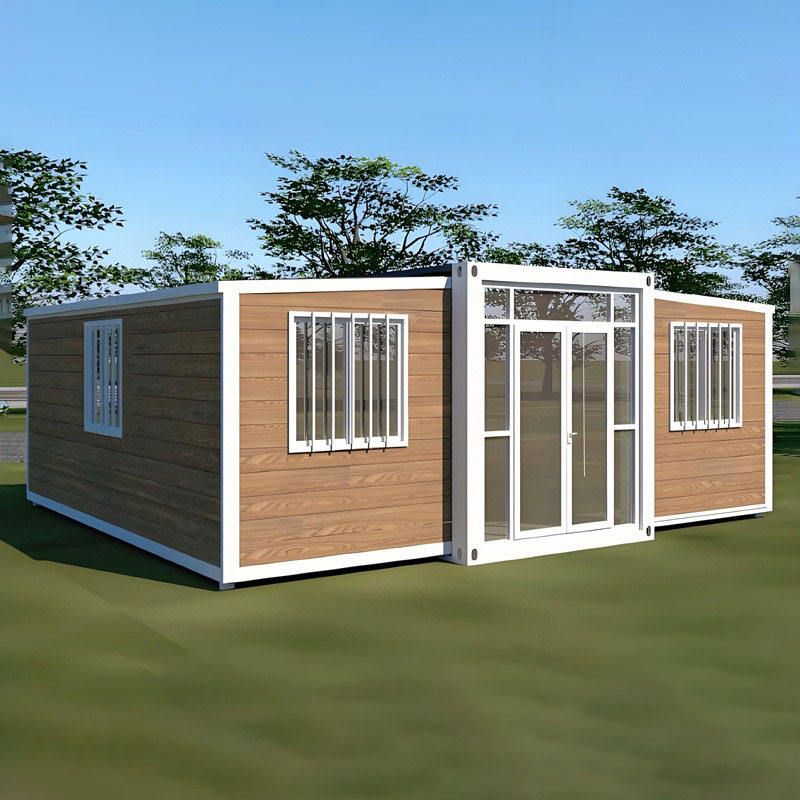
1. Basic Definition and Structural Features
The core feature of a mobile toilet is its overall mobility, making it suitable for temporary events, disaster relief, or scenic spots. A trench toilet replaces individual toilets or squat pans with a continuous trench, creating a flowing waste disposal channel through continuous or timed upstream flushing. A mobile trench toilet may integrate the trench structure within the mobile toilet frame, for example, using lightweight materials (such as fiberglass-reinforced plastic or aluminum alloy) to construct detachable or foldable trench modules. This retains the portability of mobile toilets while reducing the cost per use through trench design, making it suitable for high-traffic scenarios.
2. Possible Classifications and Mobility Methods
Based on the classification logic of mobile toilets, mobile trench toilets may be categorized as follows:
- Structural Form: They may adopt a single-unit structure (a single trench module) or a composite structure (multiple trench units combined). The latter can be expanded into multi-stall public toilets to accommodate more simultaneous users.
- Mobility Method: They rely on lifting and handling equipment (such as forklifts or trucks) or powered towing chassis (such as tractors). Some small designs may be equipped with wheels for manual pushing.
- Sewage Treatment: If following the trench-style flushing design, they need to be connected to a water source or equipped with a water tank for upstream flushing. If adopting a waterless flushing mode, they may incorporate dry-packing technology (such as using biodegradable film bags to collect waste), reducing water dependency.
3. Application Scenarios and Advantages
- High-Traffic Scenarios: Such as large gatherings or construction sites, the trench design can shorten the time per use and improve turnover efficiency.
- Temporary Needs: Their mobility allows for rapid deployment and withdrawal, avoiding the long construction周期 (here, it should be 'period') and high costs associated with traditional public toilets.
- Resource Conservation: Waterless or recirculating flushing designs can reduce water consumption, meeting environmental requirements. Dry-packing types do not require sewage pipelines, reducing site restrictions.
4. Existing Challenges and Improvement Directions
Currently, there is a lack of specialized standards for mobile trench toilets, which may face issues such as odor control and difficulty in cleaning and maintenance. In the future, technologies such as optimizing trench slopes (to accelerate waste flow), using antibacterial materials (to reduce bacterial growth), and integrating intelligent monitoring systems (to provide real-time feedback on usage status) may be employed to enhance the user experience.



