
Mobile Trailer Toilet Renderings
Currently, we cannot directly provide renderings of mobile trailer toilets, but we can describe their design features and functional layout in detail to help understand their appearance and structure.
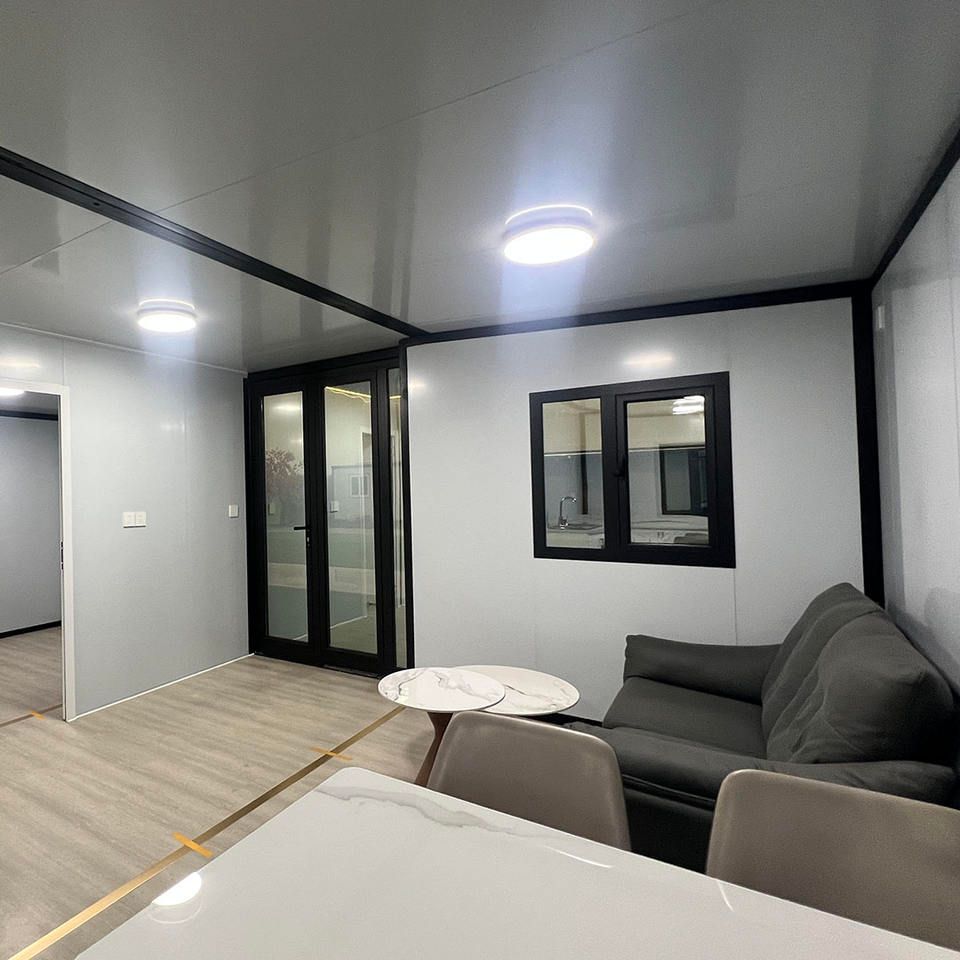
Mobile trailer toilets are movable sanitation facilities typically composed of a trailer chassis, a box structure, sanitation equipment, and supporting systems. They are suitable for temporary events, construction sites, scenic spots, and other scenarios. Their design must balance functionality, mobility convenience, and environmental adaptability. The following explains the core modules:
1. Appearance and Structural Design The box of mobile trailer toilets often uses lightweight metal materials (such as aluminum alloy or galvanized steel plate), with anti-corrosion treatment on the surface to ensure durability. The overall shape is rectangular, with customizable dimensions based on needs. Common specifications are 3-6 meters in length, 2-2.5 meters in width, and 2.5-3 meters in height, facilitating trailer towing. The box top is usually flat or arched, with some designs integrating solar panels or vents to enhance energy utilization and air circulation efficiency.
2. Internal Functional Zoning The internal space is generally divided into male and female toilet compartments or universal compartments, with each toilet stall covering an area of about 1.5-2 square meters. Each stall is equipped with standard sanitation equipment:
- Toilet: Mostly use water-saving squat toilets or sit toilets, with some high-end models equipped with vacuum suction systems to reduce water consumption and odor;
- Sink: Integrated with a small washbasin, sensor faucet, and hand dryer, with some designs using foot-operated switches to avoid cross-infection;
- Storage and Auxiliary Facilities: Including tissue boxes, trash cans, handrails (for accessibility needs), and emergency call devices to enhance usability.
3. Supporting Systems
- Sewage System: Collects waste through septic tanks or fecal storage tanks, with some models equipped with sewage extraction ports for regular cleaning by suction trucks;
- Water Supply System: Built-in water tanks or connected to external water sources, with some designs using recycled water treatment technology to achieve water reuse;
- Ventilation System: Maintains air circulation through exhaust fans or natural vents, with some high-end models equipped with air purification devices to further reduce odor.
4. Mobility and Deployment The trailer chassis is equipped with an independent suspension system and braking devices to ensure transportation stability. Upon arrival at the usage location, the box is fixed using hydraulic legs or manual supports, and after connecting to water and electricity, it can be put into use, with deployment time usually not exceeding 1 hour.
If specific renderings are needed, it is recommended to search for relevant cases on the official websites of professional sanitation equipment suppliers, industry exhibition materials, or architectural design platforms (such as ArchDaily, Gooodoo Design Network), or contact manufacturers for customized design drawings.



