
Mobile Toilets in Japan
Japan has a variety of practical designs and promotional measures for mobile toilets.
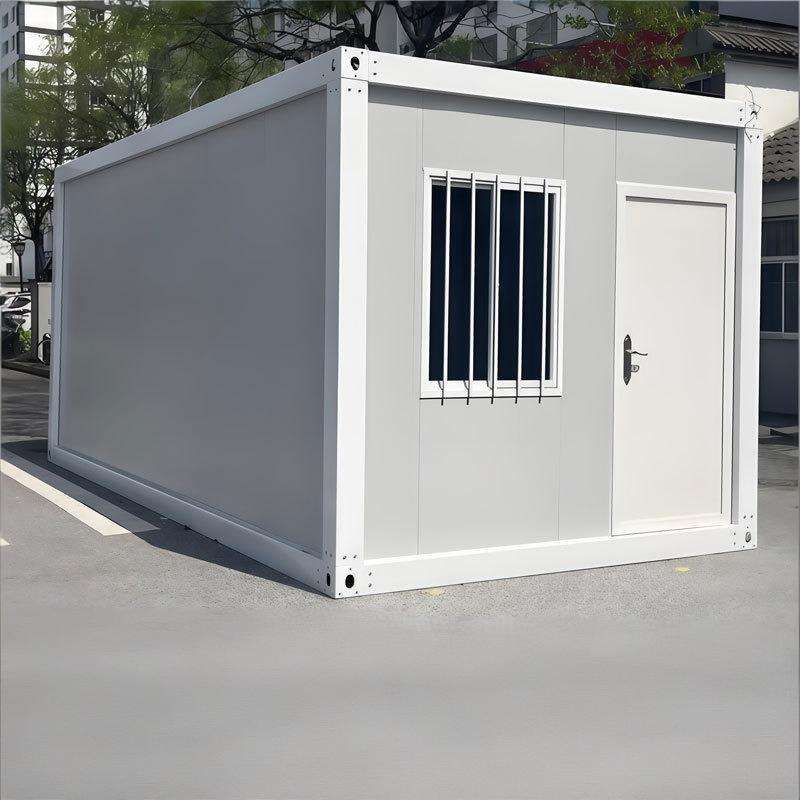
Mobile Toilets for Construction Sites
The Ministry of Land, Infrastructure, Transport and Tourism of Japan once issued a notice to the national construction industry, stipulating that from October onwards, all temporary toilets at construction sites must be Western-style toilets that can flush the lower body. Previously, mobile toilets at construction sites were mostly traditional squat toilets, which were prone to getting dirty. This not only affected the convenience of female workers when using the toilets but also was not conducive to improving the overall hygiene conditions at the construction sites. Moreover, in the event of major natural disasters, these toilets could also serve as sanitary facilities for the displaced residents, playing an important emergency role.
To achieve this goal, the Ministry of Land, Infrastructure, Transport and Tourism jointly developed construction-site-specific flushable Western-style toilets with manufacturers and promoted them nationwide. However, due to the relatively high monthly rental price of each mobile toilet, to reduce the burden on construction companies, the Ministry decided to provide a subsidy of 45,000 yen per mobile toilet to each construction company. This measure effectively promoted the popularization of new-type mobile toilets at construction sites.
Simple Foldable Toilets
Japan has also introduced simple foldable toilets. Their structure is very simple, consisting of a C-shaped seat ring, nylon fabric, four aluminum tubes, garbage bags, and a coagulant. These toilets are easy to use and can be fixed with items such as stools or mineral water bottles to form simple tent toilets. Their backpacks are waterproof and can hold 16 liters of water, which can be used to clean the toilets.
The original intention of designing simple foldable toilets was to fully consider Japan's national condition of being prone to earthquakes. After an earthquake occurs, there is often a shortage of toilets. These simple foldable toilets are easy to carry and assemble, and can quickly provide basic sanitary facilities for the affected people after a disaster, meeting their toilet needs and playing an important role in emergency rescue.



