
Mobile Toilets in Cold Regions
Mobile toilets in cold regions achieve stable operation in extreme environments through structural optimization, freeze-proofing and insulation, energy innovation, and ecological treatment technologies.
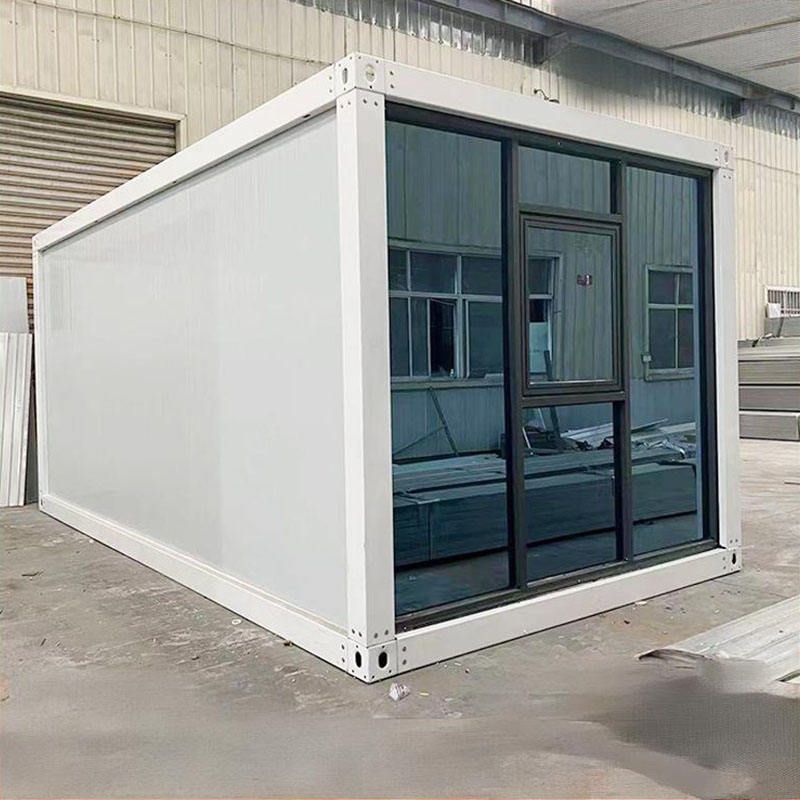
1. Structural and Material Optimization
Mobile toilets in cold regions use low-temperature-resistant materials and composite structures to ensure long-term durability. For example, ecological public toilets employ steel-frame cement composite structures with excellent insulation performance, enabling stable operation in environments as cold as -28°C with a lifespan exceeding 20 years. Mobile toilets in Inner Mongolia utilize polymer composite material enclosures paired with specialized insulation layers to effectively withstand the region's extreme winter cold. These materials are not only lightweight but also reduce heat conduction, preventing rapid loss of internal temperature.
2. Freeze-Proofing and Insulation Technologies
To prevent water pipes from freezing, some mobile toilets are equipped with radiators or electric tracing systems that maintain pipe temperatures through continuous heating. Additionally, foam sealing technology is widely applied, requiring only 0.5 liters of water per flush—70% less than traditional products—while reducing sewage contact with air through foam coverage to lower freezing risks. Negative-pressure odor removal devices maintain internal freshness through air circulation, preventing odor accumulation caused by confinement.
3. Energy Supply Innovations
Solar power is the core energy solution for mobile toilets in cold regions. By combining high-efficiency solar panels with energy storage batteries, they achieve 24-hour continuous operation even in areas without grid coverage. Some designs incorporate intelligent temperature control systems with operating temperatures exceeding 60°C, enhancing insulation effects while providing high-temperature sterilization and disinfection for hygiene and safety.
4. Ecological Treatment and Modular Design
Microbial degradation technology is used for waste treatment, converting excreta into organic matter through specific microbial communities to form an ecological loop of "excreta-microbes-organic fertilizer," reducing sewage discharge from traditional flush toilets. Modular design enables rapid assembly and disassembly, allowing flexible relocation based on usage scenarios to meet needs in temporary events, tourist attractions, or remote areas.
In summary, mobile toilets in cold regions address challenges such as low temperatures, lack of grid power, and sanitation maintenance through comprehensive innovations in materials, energy, and treatment technologies, providing reliable public health solutions for extreme environments.



