
Application of Mobile Toilets in Zhejiang
The application scenarios of mobile toilets in Zhejiang are extensive and exhibit trends of scenario differentiation and quality upgrading, specifically reflected in aspects such as application scenarios, geographical optimization, demand adaptation, technical design, and typical cases.
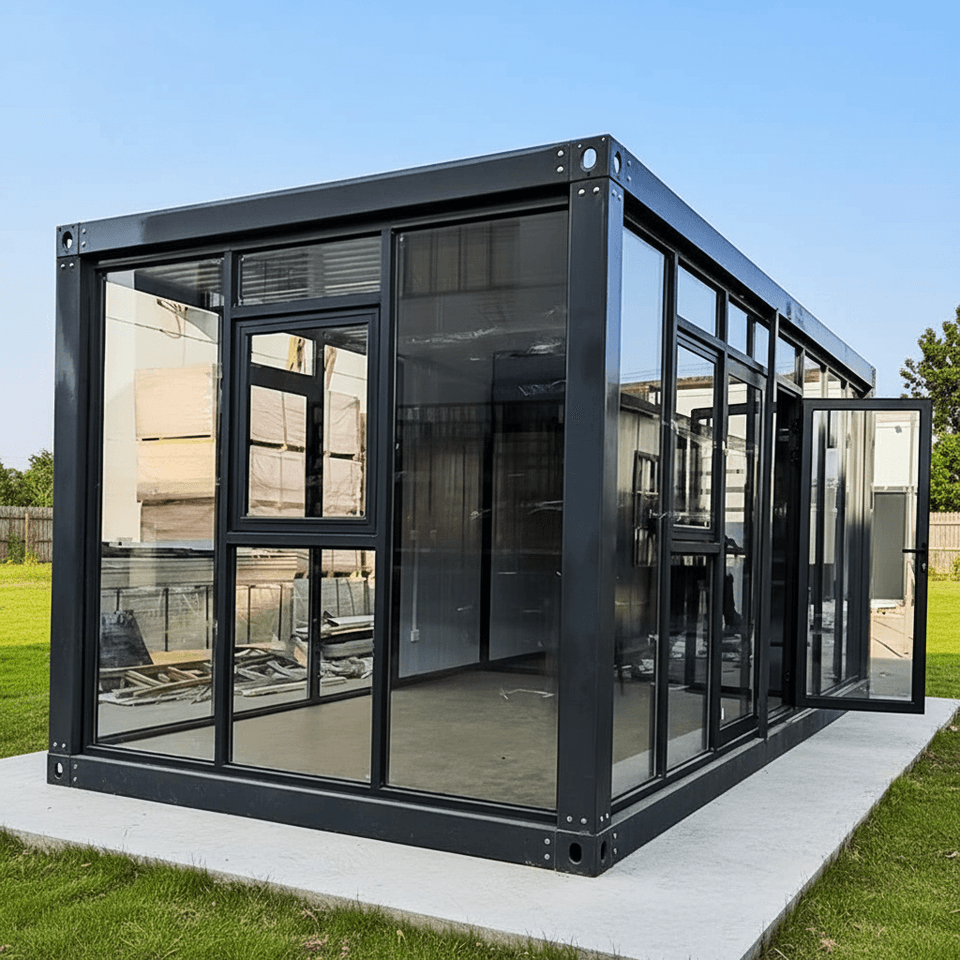
I. Diversified Application Scenarios
Mobile toilets in Zhejiang have broken free from the limitations of traditional temporary construction sites and now cover a wide range of scenarios, including highway service areas, scenic spot distribution centers, urban renewal projects, and rural governance nodes. Specific locations include construction sites, festival events, temporary markets, large-scale infrastructure projects, scenic spots, characteristic towns, camping bases, municipal sanitation, and community management. For example, the mobile landscape public toilet on the embankment of the Qiantang River in Hangzhou was quickly put into use and can flexibly adjust its location through factory prefabrication and on-site hoisting, serving as a typical case of urban public space management.
II. Geographical Characteristics Driving Technical Optimization
Zhejiang is located on the southeast coast, experiencing frequent typhoons, long rainy seasons, and tight land resources, with compact project schedules. Mobile toilets need to be specifically strengthened in terms of wind resistance structure, moisture-proof and anti-corrosion performance, and drainage systems, while also improving transportation and installation convenience. For example, Ningbo Hongzhu Prefabricated Building Technology Co., Ltd. adopts a design combining a purification board enclosure system with a steel structure framework, enabling the product to possess weather resistance, extending its service life, and reducing maintenance costs. The main framework uses hot-dip galvanized steel structure, the walls are filled with insulation materials, and the bottom is equipped with anti-slip drainage structures to ensure stable operation in humid environments.
III. Differentiated Configuration Based on Market Demand
Purchasers can be divided into three categories: general contractors of large-scale infrastructure projects, cultural and tourism operators, and municipal sanitation departments and community management parties. Infrastructure projects focus on rapid deployment and environmental protection and safety, cultural and tourism scenarios emphasize appearance coordination and internal comfort, while municipal sanitation requires durability and intelligent management. For example, mobile toilets can be equipped with options such as indoor air exchangers, sensor flushing devices, and anti-slip floor materials to meet the needs of different scenarios. The public toilet on the embankment of the Qiantang River in Hangzhou is equipped with functions such as playing music when the door is closed, automatic flushing when the door is opened, and deodorization and sterilization, enhancing the user experience.
IV. Modular Design Improving Efficiency
Relying on technological accumulations in the fields of packing boxes and movable panel houses, Zhejiang enterprises apply modular building systems to the design of mobile toilets, enabling rapid assembly and disassembly. For example, the product design life target of Ningbo Hongzhu is for repeated hoisting and turnover not less than a certain number of times, reducing manufacturing costs through standardized components while supporting flexible layout adjustments according to site requirements, adapting to both temporary and long-term use scenarios.



