
Does the Mobile Toilet Have a Storage Function?
Mobile toilets can be equipped with storage functions. As temporary or long-term sanitation facilities, mobile toilets are designed with various usage scenarios in mind, and the storage function is an important feature. Here is a detailed introduction:
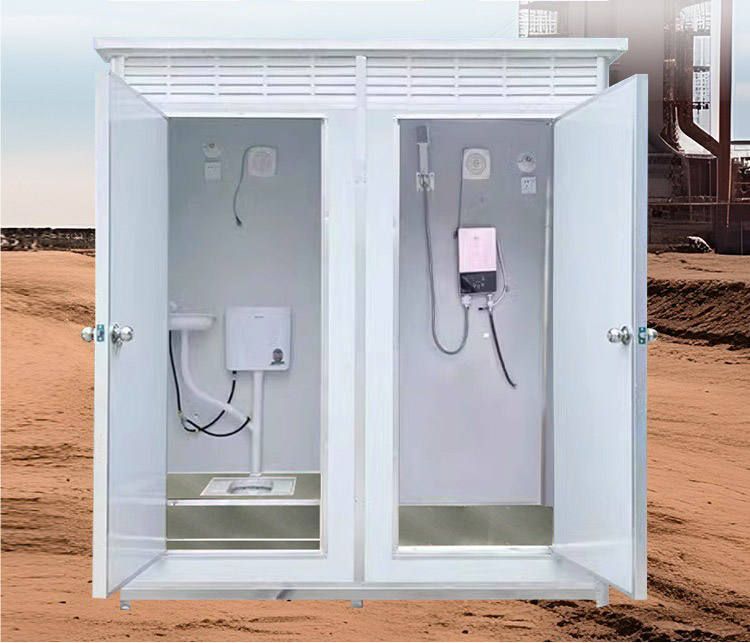
Storage-Type Mobile Toilets
Storage-type mobile toilets are specifically designed to meet temporary or long-term sanitation needs. They feature an independent storage system primarily used for collecting and treating waste, usually equipped with a storage tank for temporary waste storage. This design allows mobile toilets to operate without relying on external sewage pipes, making them suitable for use in locations without fixed sanitation facilities, such as outdoor event venues, construction sites, and disaster relief sites. Additionally, storage-type mobile toilets have a sealed design that effectively prevents odor diffusion, providing users with a relatively comfortable and hygienic environment. The sealed design typically includes sealed doors and pipes to ensure that waste does not leak during storage, minimizing the impact on the surrounding environment.
Packing-Type Mobile Toilets
Packing-type toilets are also a type of mobile toilet that employs a unique storage method. They use biodegradable, specially made film bags to collect waste. After a user finishes using the toilet, an internal mechanical device or microcomputer sensing system seals the bag and drops it into a dedicated waste storage bin. This design not only effectively stores waste but also offers environmental and convenience benefits. The use of biodegradable film reduces environmental pollution, while the internal mechanical device or microcomputer sensing system improves the accuracy and efficiency of packing, eliminating the need for manual operation and reducing usage costs. Furthermore, packing-type toilets do not require external water or electricity connections and come with built-in storage units, enabling them to function normally in locations with limited water and electricity supplies, further expanding their range of applications.



