
Mobile Toilet Waste Disposal
There are various methods for disposing of waste from mobile toilets, including water-flushing, microbial degradation, waterless packaging, foam sealing, and vacuum suction, with the specific choice depending on the scenario requirements.
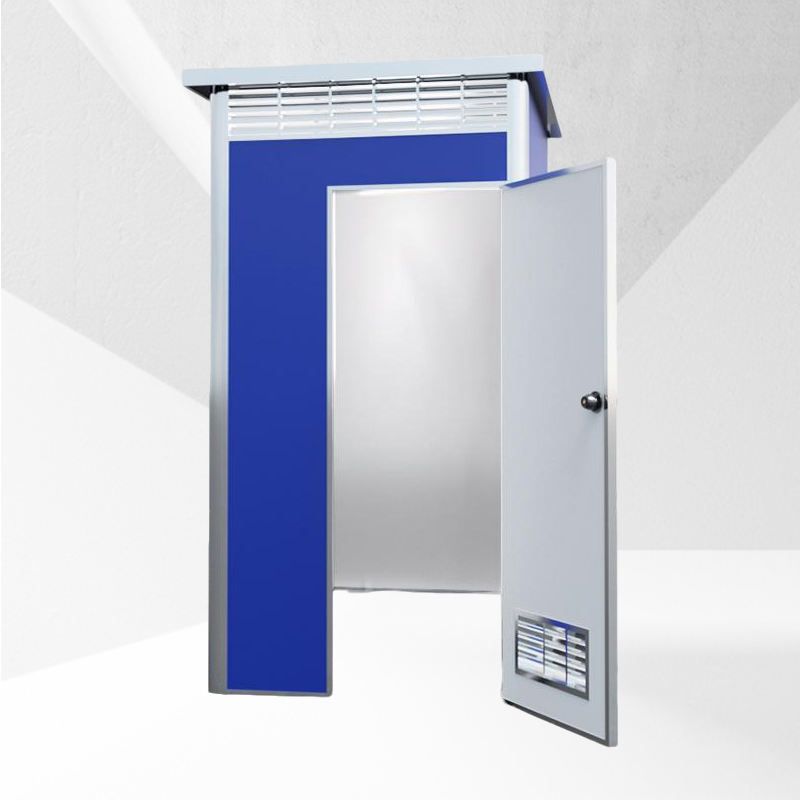
Water-flushing sewage disposal
This method uses municipal water supply or elevated water tanks to flush waste directly into sewage tanks or septic tanks. If connected to municipal sewage pipes, real-time discharge can be achieved; if not, sewage tanks or septic tanks need to be regularly cleaned using sewage suction trucks. This method is suitable for areas with sufficient water resources and sewage pipe infrastructure, such as city parks and large event venues, but attention should be paid to the capacity limitations of sewage tanks and regular maintenance.Microbial degradation sewage disposal
Specific microbial strains are used to decompose waste, with feces converted into fertilizer raw materials after decomposition and urine treated and recycled for toilet flushing. This method does not require external water sources or sewage pipes and enables resource utilization, making it suitable for water-scarce areas or scenarios with high environmental protection requirements, such as arid regions and eco-tourism areas. However, microbial strains need to be regularly replenished, and decomposition efficiency needs to be monitored.Waterless packaging sewage disposal
Biodegradable environmental protection packaging bags are used to automatically seal waste, which is then stored in fecal storage tanks for unified treatment. This method requires no water at all, and the packaging bags are biodegradable, reducing environmental pollution. It is suitable for water-scarce areas or temporary event venues, such as field construction sites and music festivals. However, packaging bags need to be regularly replaced, and fecal storage tanks need to be cleaned to avoid odor diffusion.Foam sealing sewage disposal
Foaming liquid is used to generate foam that covers toilet fixtures, replacing water flushing to achieve lubrication, toilet cleaning, and odor control functions. The foaming liquid contains aromatic components that can mask odors. This method uses very little water, and the foam effectively blocks contact between waste and air, making it suitable for areas with water shortages or high hygiene requirements, such as plateau regions and high-end event venues. However, foaming liquid needs to be regularly replenished, and residues on toilet fixtures need to be cleaned.Vacuum suction sewage disposal
A vacuum pump is used to generate negative pressure, quickly sucking waste into sewage tanks with a water consumption of only one-tenth of that of traditional toilets. This method has high sewage disposal efficiency and large sewage tank capacity, making it suitable for venues with high foot traffic, such as transportation hubs and large exhibitions. However, vacuum pump equipment needs to be equipped and regularly maintained, with relatively high initial investment costs.
In addition, simple mobile toilets may also adopt methods such as chemical treatment, anaerobic digestion, compressed storage, or mechanical treatment (such as solid-liquid separation and decomposition disinfection). The specific choice needs to comprehensively consider factors such as water resource conditions, environmental protection requirements, the number of users, and maintenance costs.



