
Mobile Toilet Wall Installation
The installation of facilities on the walls of mobile toilets should be carried out in stages according to their overall assembly characteristics, ensuring firm installation and safety in use.
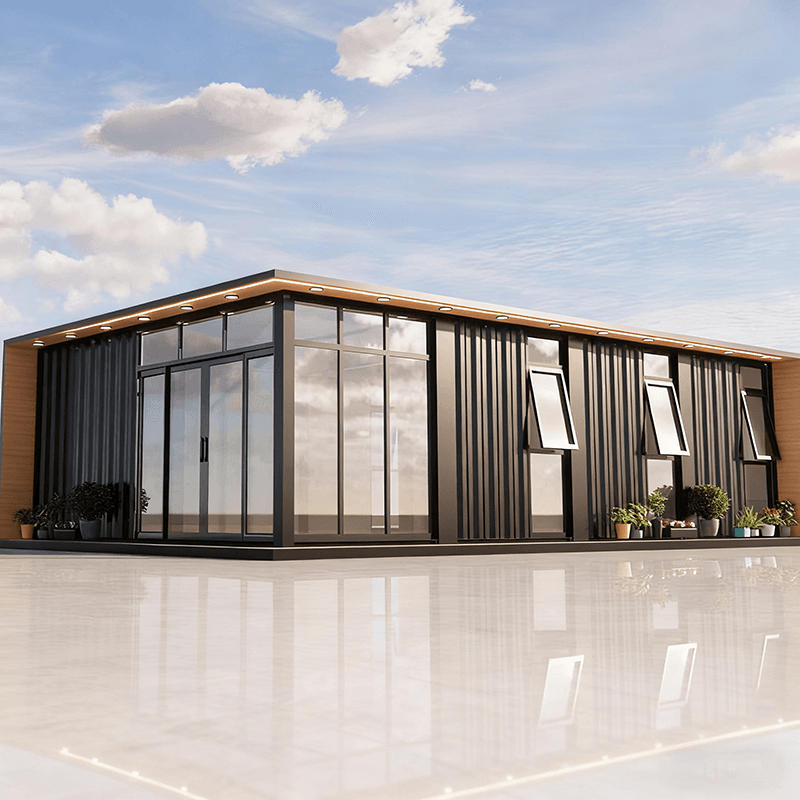
Mobile toilets are typically assembled from prefabricated components, and wall installation should be carried out after the main structure is stable. The specific steps and key points are as follows:
I. Main Structure Assembly Stage: Ensuring a Stable Wall Foundation
The wall panels of mobile toilets are joined together to form an integral structure using clips or bolts. During this stage, it is crucial to check the firmness of the connections. For example, the clips between wall panels should be fully embedded, and bolts should be tightened according to the design torque to prevent instability in the subsequent installation of wall facilities due to loose connections. If the wall panels are made of lightweight materials (such as aluminum alloy or composite panels), it is necessary to confirm that their load-bearing capacity meets the installation requirements to prevent safety hazards caused by material deformation.
II. Internal Facility Installation: Standardized Operations by Type
Support Facilities such as Toilet Seats
- Positioning and Fixing: Determine the installation position of the toilet seat according to the design drawings, and use a level to calibrate the verticality of the wall to ensure that the facility is installed without tilting. Fix the toilet seat to the pre-embedded metal bracket or reinforcing plate on the wall panel using bolts. The bolts should penetrate the wall panel and use lock nuts to prevent loosening due to vibration during use.
- Sealing Treatment: Apply waterproof sealant to the contact surface between the toilet seat and the wall panel to prevent sewage from seeping into the interlayer of the wall panel, causing corrosion or odor. If the wall panel has a multi-layer structure, fill the interlayer with waterproof material (such as expanding foam) to enhance the sealing effect.
Accessory Facilities such as Shelves
- Load-Bearing Verification: Choose an appropriate fixing method based on the material of the shelf (such as plastic or metal). Lightweight shelves can be fixed using expansion screws, while heavy-duty shelves should be installed after pre-embedding reinforcing components (such as steel plates) in the wall panel.
- Hardware Selection: Use stainless steel or galvanized hardware to prevent rusting in humid environments. All screws should be tightened flush with the wall to prevent the protruding parts from scratching users.
III. Post-Installation Inspection: Ensuring Safety in Use
After completing the installation, conduct a comprehensive inspection of the wall facilities: gently shake the facilities to confirm there is no wobbling, check that all bolts are tightened, and ensure the sealant is evenly applied without gaps. If any deformation of the wall panel is found due to installation, it should be adjusted or reinforced immediately to ensure the overall structural stability of the mobile toilet.



