
Mobile Toilet Transportation Event
Since specific information on the 'mobile toilet transportation event' has not been retrieved, the following provides a general explanation covering the standard procedures, potential issues, and management recommendations for mobile toilet transportation:
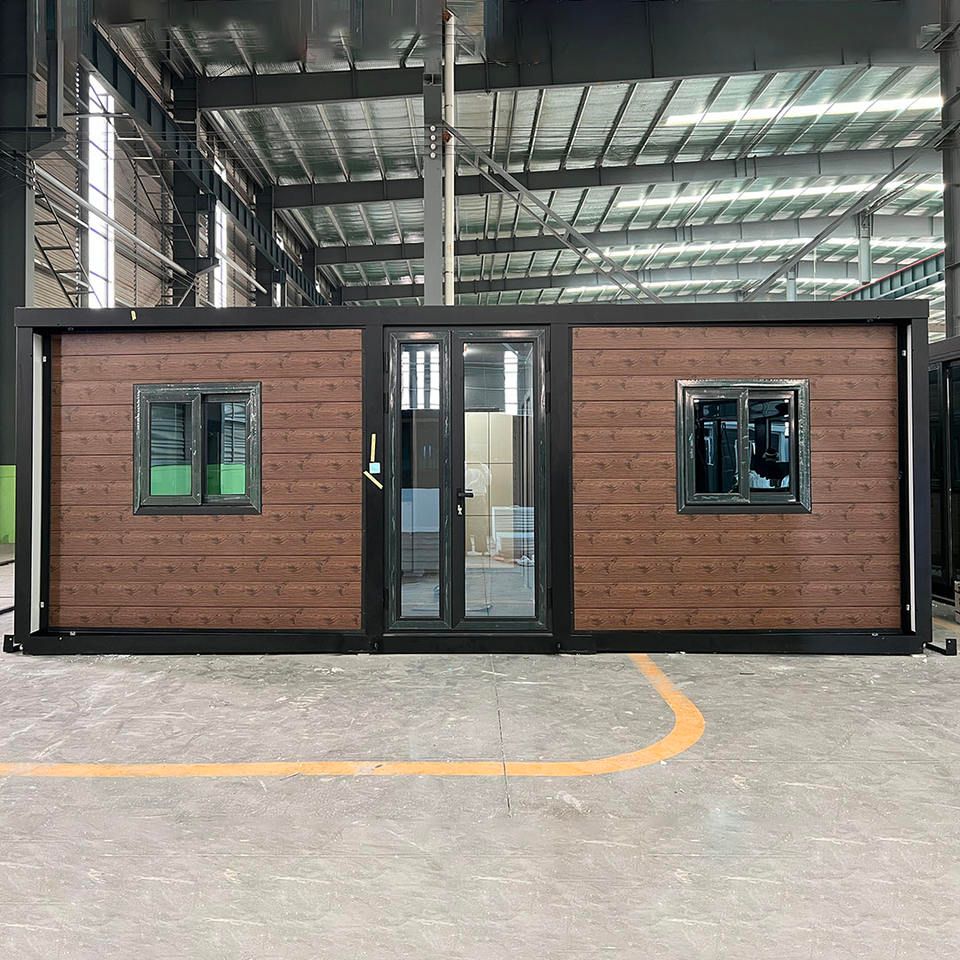
Standard Procedures for Mobile Toilet Transportation
Mobile toilet transportation typically serves large events, temporary construction sites, or emergency needs, and must strictly adhere to safety and hygiene standards. Before transportation, the toilet must be thoroughly cleaned and disinfected to ensure no residual waste remains, and the integrity of equipment (such as water tanks, sewage pipes, and ventilation systems) must be checked to prevent leaks or damage during transit. During transportation, specialized vehicles must be used to secure the toilet structure, preventing parts from detaching due to bumps; for integrated toilets, the vehicle's load capacity must meet requirements to avoid safety hazards caused by overloading. After transportation, equipment must be reinstalled and tested to ensure normal functioning of flushing, sewage disposal, and ventilation, while the surrounding ground must be cleaned to prevent environmental pollution.
Potential Issues During Transportation
- Hygiene Risks: If cleaning is not thorough, bumps during transit may cause waste leakage, contaminating roads or surrounding environments, and even spreading odors, affecting public health.
- Equipment Damage: Inadequate securing or improper vehicle selection may lead to structural deformation or pipe rupture in the toilet, increasing maintenance costs and delaying use.
- Compliance Issues: Some regions have strict regulations on transportation routes, timing, or waste disposal for mobile toilets; failure to declare in advance or violate regulations may result in penalties.
- Public Impact: Transportation in residential areas or busy traffic zones without proper protective measures (such as barriers or warning signs) may cause traffic congestion or resident complaints.
Management Recommendations and Standards
To reduce transportation risks, management must be strengthened in the following areas:
- Develop Standardized Procedures: Clearly define operational standards for cleaning, securing, transportation, and installation, and train relevant personnel.
- Select Compliant Transporters: Collaborate with qualified logistics companies to ensure vehicles meet load requirements and are equipped with anti-leakage devices.
- Coordinate in Advance: Report transportation plans to local environmental and traffic authorities to obtain permits and understand route restrictions.
- Emergency Preparedness: Prepare backup equipment, cleaning tools, and protective materials to respond to sudden leaks or equipment failures.
For specific event details, it is recommended to obtain authoritative information through official channels (such as government announcements or news reports) to avoid spreading unverified content.



