
Mobile Toilet Tile Design
The tile design for mobile toilets should be optimized by combining material properties, functional adaptability, and design experience from conventional bathrooms. Although there are currently no specific regulations, the following ideas can be referenced:
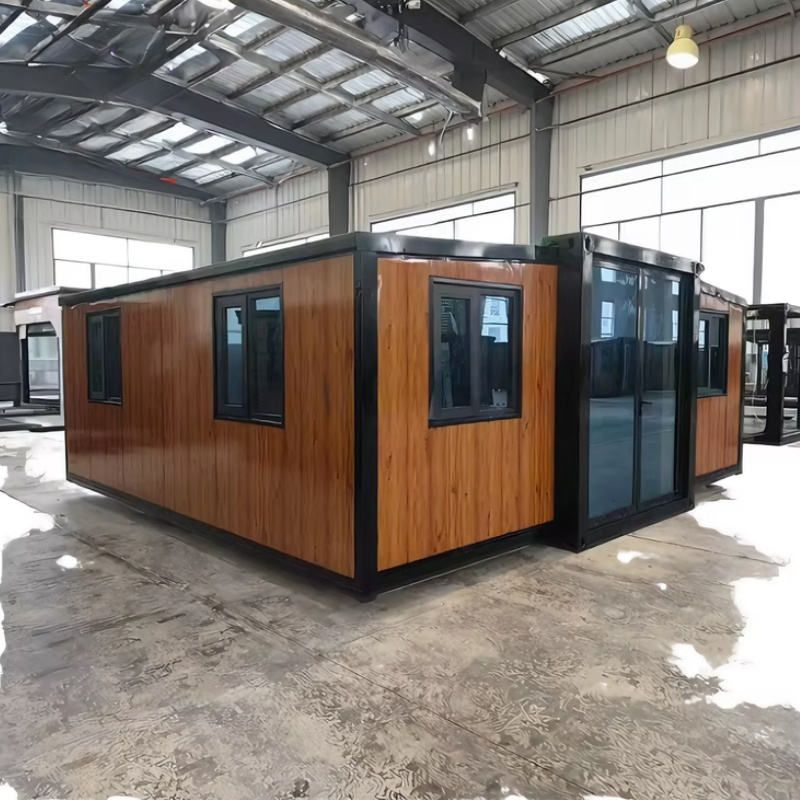
1. Material Selection: Prioritize impermeable and easy-to-clean vitrified tiles Mobile toilets, due to their enclosed spaces and high usage frequency, require floor tiles with strong impermeability to reduce sewage penetration and odor retention. Vitrified tiles are an ideal choice, as their surface density is higher than that of ordinary tiles, with low water absorption, effectively blocking liquid penetration. Additionally, their smooth surface makes them easy to clean, suitable for high-frequency public or mobile settings. For walls, they can be paired with glazed tiles, which have strong stain resistance and a rich variety of patterns, enhancing the aesthetic appeal of the space.
2. Design Style: Draw inspiration from conventional bathrooms and adapt to compact spaces Although mobile toilets have limited space, tile design can create a sense of visual extension or a stylized atmosphere:
- Light colors as the main theme: Neutral-colored tiles such as white and light gray can expand the sense of space, avoiding a cramped feeling, suitable for small mobile toilets.
- Simple geometric patterns: Hexagonal, herringbone, or fish-scale patterns can add design flair, with the non-slip texture of fish-scale tiles being suitable for humid environments.
- Classic contrasting colors: Black and white checkerboard patterns or vintage patterned tiles can be used for local accents (such as on walls), enhancing layering through zoned design, but proportions should be controlled to avoid clutter.
- Avoid complex patterns: Small mobile toilets should reduce large areas of intricate patterns, prioritizing solid colors or simple lines to maintain visual cleanliness.
3. Functional Adaptability: Focus on non-slip and easy maintenance
- Non-slip properties: Floor tiles should be made of materials with a high friction coefficient, such as fish-scale or matte-finished tiles, to prevent slipping risks caused by water accumulation.
- Easy cleaning: Smooth surfaces like vitrified or glazed tiles reduce dirt adhesion, lowering cleaning difficulty and meeting maintenance needs in public or mobile settings.
- Visual extension: Light-colored tiles or vertical laying methods can increase the perceived height of the space, alleviating a cramped feeling; mirrored tiles can reflect light to enhance brightness, but attention should be paid to anti-glare design.
4. Optimization Adjustments: Consider the characteristics of mobile facilities Tile design for mobile toilets should account for modular installation and lightweight requirements:
- Size adaptation: Choose standard-sized tiles (such as 300×600mm) to reduce cutting waste, facilitating quick laying and replacement.
- Edge treatment: Use rounded corners or anti-collision strips at wall-floor junctions to prevent damage from bumps and enhance safety.
- Eco-friendly materials: Prioritize tiles with low formaldehyde and no radiation to ensure the air quality in mobile toilets meets health standards.
In practical applications, design cases from conventional bathrooms can be referenced, with flexible adjustments made based on the materials, space, and usage scenarios of mobile toilets to achieve a balance between functionality and aesthetics.



