
Mobile Toilet Technical Specification
The mobile toilet technical specification covers various aspects such as classification, design, functionality, installation, maintenance, and safe operation. Here is a detailed introduction:
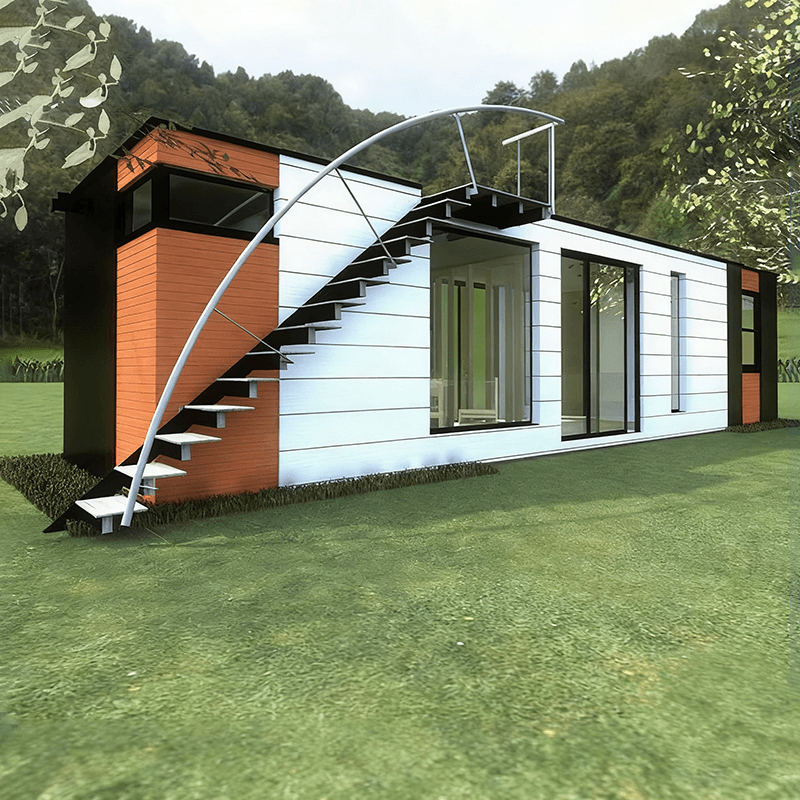
Classification
Mobile toilets are classified into simple, luxury, barrier-free, and multifunctional types. Simple types are suitable for temporary locations like construction sites; luxury types are equipped with more comprehensive facilities for large-scale events; barrier-free types are specifically designed for individuals with disabilities; and multifunctional types integrate shower and changing room functions.
Structural Design
They adopt a modular design, with the main frame constructed from corrosion-resistant metals or high-strength composite materials to ensure structural stability during transportation and installation. Walls and partitions are made of moisture-proof, fire-resistant, and easy-to-clean eco-friendly materials, with surfaces specially treated to possess anti-fouling and antibacterial properties, reducing the difficulty of later maintenance.
Functional Configuration
Basic models are equipped with standard toilets, ventilation, and lighting facilities; mid-to-high-end models integrate water-saving flushing systems, smart sensing devices, barrier-free access, and biological degradation or foam sealing treatment technologies. Some also feature solar power modules and rainwater collection systems.
Sewage Disposal Methods
There are direct discharge, storage, and recycling treatment methods. Direct discharge requires connection to municipal sewage networks and is suitable for short-term, high-flow scenarios; storage types use sealed collection tanks to temporarily store waste, which is regularly transported away, suitable for areas without sewage network coverage; recycling treatment types achieve partial water reuse through microbial decomposition or chemical treatment, reducing the frequency of sewage discharge and environmental load.
Installation and Standards
Installation is simple and quick, typically taking only a few hours. Site selection should avoid locations prone to pollution and odor diffusion, with surveys including aspects such as ground bearing capacity. The design centers around modular units, with materials selected for corrosion resistance and ease of cleaning. Construction must adhere to safety regulations, with testing conducted after connecting electricity, water, and sewage. The sewage system must be sealed and discharged according to regulations.
Usage and Maintenance
Different seasons require different anti-freezing measures. Appropriate wires should be selected based on electrical configurations. Regular maintenance of sewage pipes is necessary, with sealing胶 (sealing compound) applied after hoisting. Attention should be paid to the specifications of sewage outlet pipes. Daily operation norms and cleaning maintenance standards should be followed, with regular maintenance plans formulated to meet special maintenance requirements.
Safe Operation Procedures
Operators should wear personal protective equipment and operate electrical equipment in accordance with regulations. User privacy and hygiene safety should be ensured, with strict adherence to disinfection standards.
Emergency Response Plan
For common faults such as water supply failures and sewage abnormalities, as well as hygiene emergencies, corresponding measures should be taken, such as immediately ceasing use and isolating contaminated areas.



