
Mobile Toilet Structure Diagram
A mobile toilet generally consists of components such as a fecal sewage storage tank (or fecal sewage treatment device), floor slab, sanitary ware, walls, washing equipment, water tank, roof, and mobile device, with specific choices for its frame and wall materials.
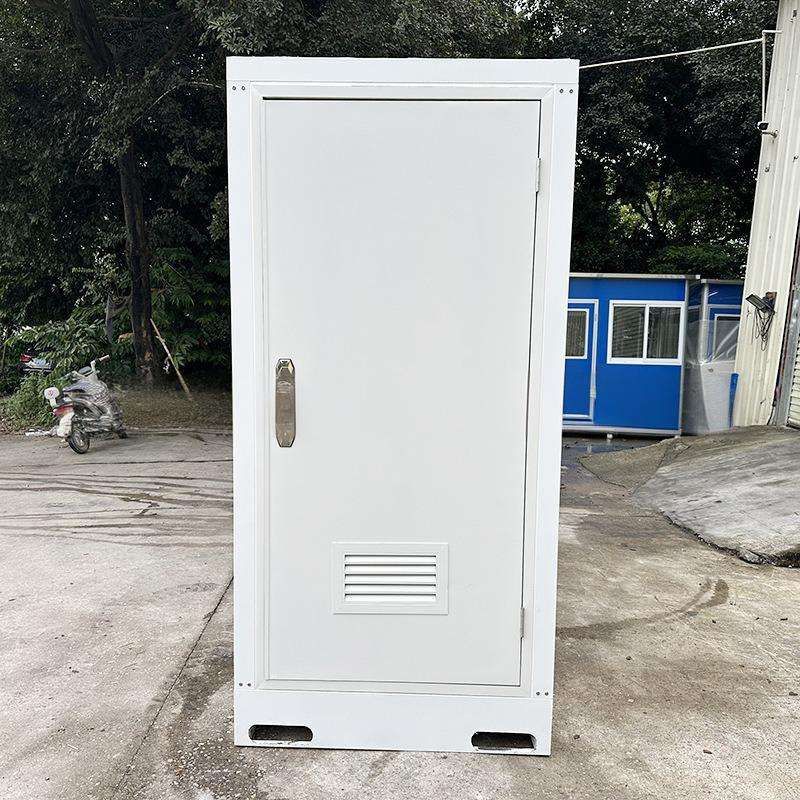
Main Structural Frame
The frame of a mobile toilet serves as the supporting foundation for the entire structure and is typically composed of welded steel. The base is usually welded using channel steel or I-beams, a design that provides sufficient strength and stability to ensure that the mobile toilet does not deform or get damaged during use and movement. The columns are made of square steel, providing vertical support for the walls and other components, ensuring the overall structural stability of the toilet.
Wall Materials
There are various options for wall materials, with common choices including color-coated steel plates, fiberglass-reinforced plastic, stainless steel, and metal carved panels. Color-coated steel plates offer advantages such as light weight, high strength, and easy installation, and come in a variety of colors that can be selected based on different usage scenarios and requirements. Fiberglass-reinforced plastic walls have good corrosion resistance and waterproof properties, enabling them to adapt to relatively harsh environments. Stainless steel walls are more robust and durable, easy to clean and maintain, and are often used in places with high hygiene requirements. Metal carved panels not only have an aesthetically pleasing appearance but also possess certain thermal insulation properties, enhancing the comfort of using the mobile toilet.
Internal Functional Components
The fecal sewage storage tank (or fecal sewage treatment device) is one of the core components of a mobile toilet, used for collecting and treating fecal sewage. The floor slab needs to have good anti-slip, waterproof, and easy-to-clean properties to ensure the safety and hygiene of users. Sanitary ware, including toilets or squat pans, should be designed and made of materials that conform to ergonomic and hygiene standards. Washing equipment such as sinks and faucets facilitates users in cleaning their hands. The water tank is used for storing clean water, providing a water source for the sanitary ware and washing equipment. The roof serves to shield against wind and rain while also possessing certain waterproof and thermal insulation properties.
Mobile Device
The mobile device is the key part that distinguishes a mobile toilet from a traditional fixed toilet, allowing the toilet to be moved and rearranged as needed. The design and performance of the mobile device directly affect the mobility convenience and stability of the mobile toilet.



