
Mobile Toilet Septic Tank Design
The design of mobile toilet septic tanks requires comprehensive consideration of basic structure, working principles, type selection, and material suitability. The following explains these aspects from four perspectives:
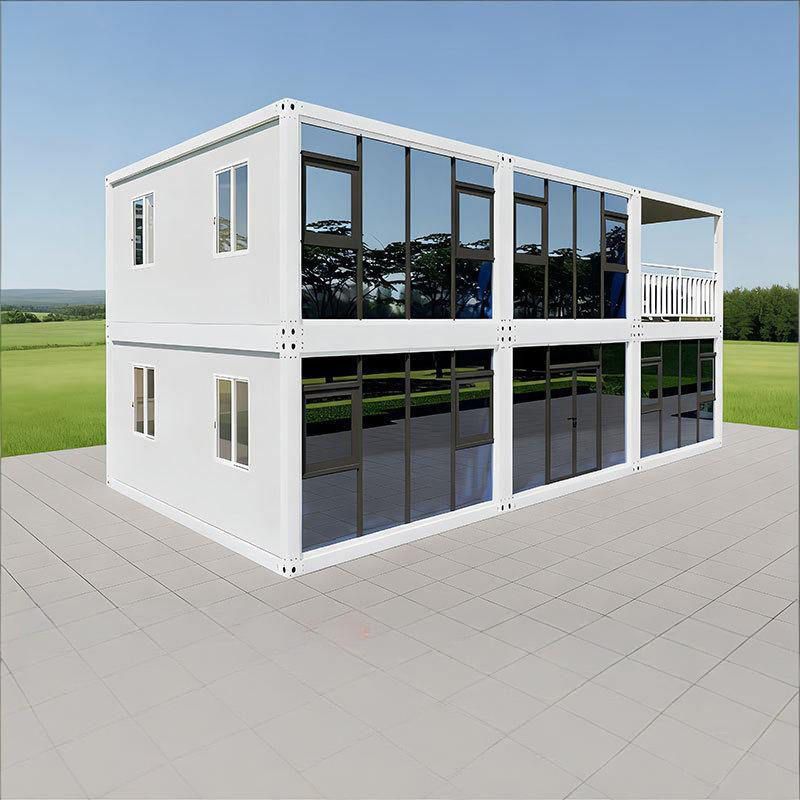
Basic Structure and Working Principles
The core structure of a mobile toilet septic tank is the fecal storage tank, with a capacity designed based on the number of users and frequency of use, ranging from several hundred liters to several thousand liters. The top of the fecal storage tank is equipped with a fecal inlet, directly connected to the toilet, allowing waste to fall into the tank by gravity. To prevent odor buildup and excessive pressure, an exhaust system is required, typically using pipes to vent gases outdoors or through activated carbon filtration for purification.
After entering the fecal storage tank, waste undergoes natural sedimentation for solid-liquid separation: solid matter settles at the bottom, while liquid matter floats on top. Under the action of microorganisms, organic matter gradually decomposes into gases such as carbon dioxide and methane, along with a small amount of residue. Some designs incorporate decomposition aids (such as agitators or biological agents) to accelerate the decomposition process and reduce odors.
Common Types
Based on usage scenarios, mobile toilet septic tanks can be classified into three types:
- Disposable Simple Type: Suitable for short-term events (such as exhibitions and concerts), with a small capacity (usually <500 liters). After use, the entire unit is disposed of without cleaning.
- Reusable Standard Type: Equipped with cleaning ports and wheels for easy transportation and cleaning. The fecal storage tank has a moderate capacity (500-2000 liters), suitable for medium- to short-term usage scenarios (such as construction sites and tourist attractions).
- Advanced Functional Type: Incorporates dehydration or sterilization functions, using physical or chemical methods to reduce residue volume and pathogens. This design is more costly and is primarily used in long-term or high-frequency usage locations (such as transportation hubs and large communities).
Material Selection
Materials must balance corrosion resistance, strength, and cost:
- Polyethylene Plastic: The most common choice, offering advantages such as light weight, acid and alkali resistance, and low cost. However, long-term exposure to ultraviolet light may cause aging, requiring the addition of UV stabilizers.
- Fiberglass Reinforced Plastic (FRP): Composed of glass fibers and resin, it has high strength and corrosion resistance, suitable for heavy-duty usage scenarios (such as long-term fixed mobile toilets). However, it is more expensive and difficult to repair.
- Stainless Steel: Offers the highest strength but is heavy and susceptible to chloride ion corrosion (such as from salts in urine), requiring surface coating treatments. It is more costly and primarily used in high-end or special-demand scenarios.
Additional Design Considerations
Design considerations should include sealing (to prevent leakage and environmental pollution), ease of maintenance (the position and size of cleaning ports should facilitate operation), and environmental compliance (some regions require septic tanks to meet harmless treatment standards). Additionally, winter considerations such as adding insulation layers or selecting low-temperature-resistant materials should be taken into account to ensure normal equipment operation.



