
Mobile Toilet Sales Methods
The sales methods for mobile toilets mainly include three types: brand-new sales, second-hand sales, and customized sales. Here are the specific details:
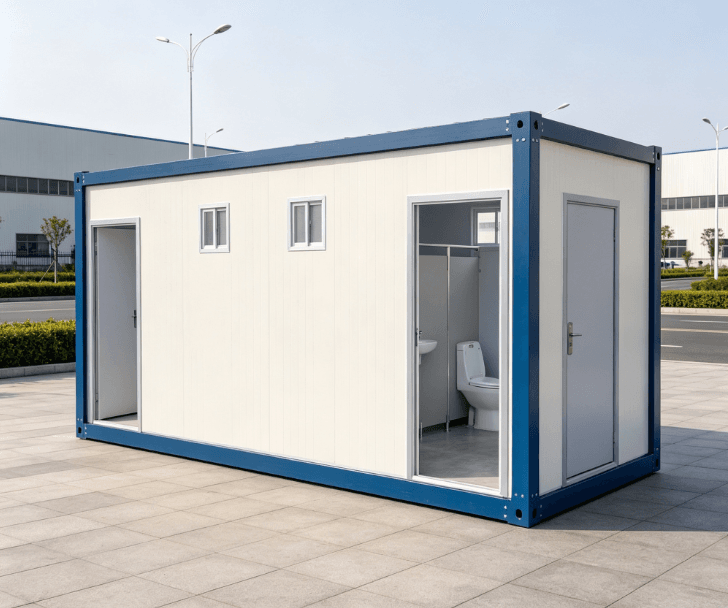
Brand-new mobile toilet sales is a relatively common sales model, with multiple brands offering standardized products. For example, companies such as Xuhu, Changjiu Environmental Protection, and Jinhong Pipeline provide product types covering eco-friendly toilets, container toilets, public toilets, and vehicle-mounted toilets, with materials including stainless steel, steel structures, color-coated steel, and plastic. These products are typically suitable for scenic spots, construction sites, temporary events, and other scenarios, featuring standardized design and stable quality. Users can choose different specifications and functional configurations according to their needs, and some brands also offer transportation and installation services.
Second-hand mobile toilet sales mainly target customer groups with limited budgets or short-term usage needs. Brands such as Huazhifeng, Zhonghuan Meijing, and Xinzhang offer wholesale and retail of second-hand products, with price ranges from 99 yuan per piece to 888 yuan per unit, depending on the product type, condition, and functional integrity. Some second-hand products come with quality assurance services, such as structural inspections and part replacements, and are equipped with professional teams to assist with installation and commissioning. This sales model is suitable for temporary events, emergency scenarios, or cost-sensitive projects, but attention should be paid to the product's service life and maintenance costs.
Customized sales are provided by companies with production capabilities, such as Cangzhou Hengtai Sanitation Equipment Co., Ltd. This model involves personalized design based on user needs, including dimensions and layout, door and window positions, internal circuit configurations, and types of sanitary facilities. The production cycle is generally 7 to 15 days, and the products are transported to the site for installation in whole or modular form. Customized services are suitable for special scenario requirements, such as barrier-free facilities, specific cultural theme designs, or areas with strict space limitations. Users need to provide detailed requirement parameters and confirm the design plan and cost budget with the manufacturer.
Each of the three sales methods has its own advantages: brand-new products ensure quality and functional integrity; second-hand products reduce initial investment costs; customized services meet personalized needs. Users can make a comprehensive choice based on project budget, usage cycle, and functional requirements, while also paying attention to supplier qualifications, after-sales service, and product compliance (such as environmental standards and safety certifications).



