
Mobile Toilet Safety Measures
The safety measures for mobile toilets cover various aspects such as site selection, pre-use inspection, usage process, structural integrity, anti-slip measures, electrical safety, fire safety, secure installation, risk prevention, and emergency response for special groups.
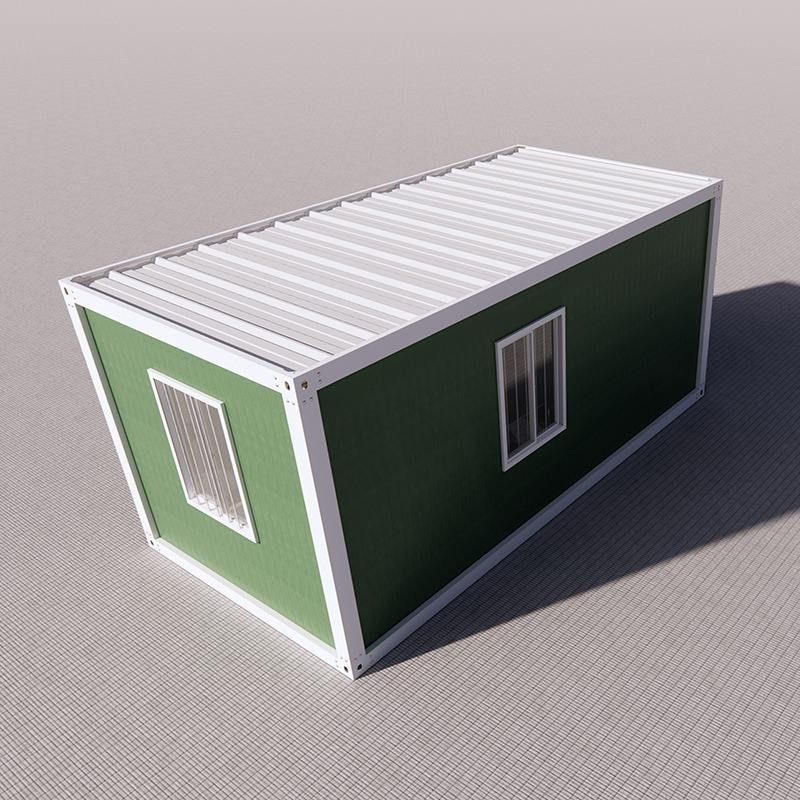
Site Selection and Environment: Mobile toilets should be placed in areas with flat ground and good drainage, avoiding flood-prone zones and areas with heavy foot traffic. They should be kept away from water sources, food areas, garbage dumping sites, and slippery areas, while maintaining good ventilation to reduce odor accumulation and bacterial growth.
Pre-use Inspection: Before use, check whether facilities such as door locks, curtains, lighting, anti-slip flooring, garbage bags, toilet paper, hand sanitizer (or disinfectant), waste collection bags, and drainage outlets are functioning properly. If any leakage, abnormal odor, or malfunctioning lights are detected, notify the administrator immediately for repairs.
Entry and Usage Process: When entering a mobile toilet, ensure the surrounding environment is safe, step steadily, close and lock the door securely after entering, and avoid standing on the edge or kicking the door forcefully. After use, keep the interior clean and avoid leaving any garbage or stains.
Structural Safety: Ensure the mobile toilet is structurally sound by installing it on flat and solid ground, and performing foundation treatment if necessary. Use sturdy materials and a reasonable structural design, such as adding support structures, to enhance wind and earthquake resistance. Establish a regular inspection system to promptly identify and repair potential structural issues.
Anti-slip Measures: Use floor tiles or materials with good anti-slip properties. Lay anti-slip mats in areas prone to water accumulation, such as near toilets and sinks, and install handrails to facilitate users in getting up and maintaining balance, reducing the risk of slipping.
Electrical Safety: Install a standardized electrical system with wires protected by conduits to prevent exposure. Use qualified electrical equipment and sockets, and install leakage protection devices. Regularly inspect the electrical system to ensure safety.
Fire Safety: Equip mobile toilets with fire extinguishers and other firefighting equipment, and regularly check their effectiveness. Set up clear emergency exit signs and emergency lighting equipment, and use fire-resistant building materials to enhance the fire resistance of mobile toilets.
Secure Installation: Secure mobile toilets with expansion screws or counterweights to prevent them from toppling over in windy weather. It is best to harden the ground to avoid soil softening that could cause the toilet to tilt.
Potential Risk Prevention: Prohibit smoking, lighting fires, using open flames, or throwing burning objects inside the toilet. Avoid skin contact with toxic or corrosive chemicals; if contact occurs, wash immediately and seek medical attention. Do not flush, discharge, or pour unknown liquids outside the toilet to prevent environmental pollution.
Special Groups and Emergency Response: Users such as children, pregnant women, the elderly, and disabled individuals who require assistance should be accompanied and supervised by accompanying personnel or administrators. If the toilet experiences issues such as a malfunctioning door lock or abnormal odor, stop using it immediately and contact maintenance personnel. In case of an emergency, follow on-site emergency procedures to evacuate and call emergency numbers for help.



