
Mobile Toilet Safety
The use of mobile toilets is relatively safe, but potential hazards should still be noted during use.
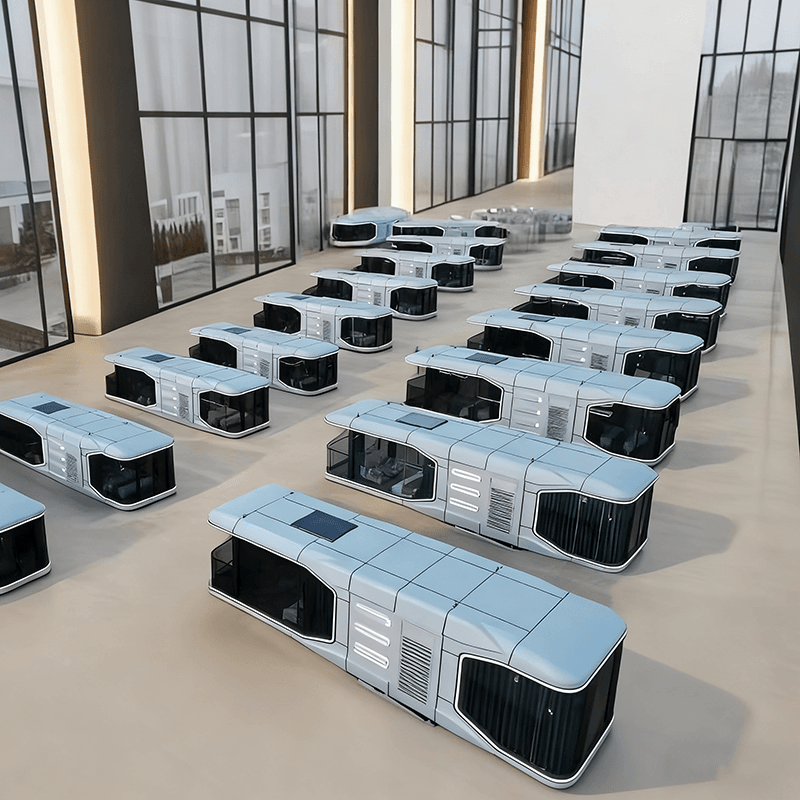
I. Structural Safety is Guaranteed
Mobile toilets are professionally designed and manufactured to meet safety standards. Their structures are sturdy and stable, utilizing materials such as galvanized steel pipe frames and fire-resistant panels. The foundations are leveled and secured with anchor bolts, enabling them to withstand natural elements like wind and rain in normal environments and are not prone to collapse or tipping over. For example, temporary mobile toilets on construction sites are reinforced to effectively handle complex construction environments.
II. Internal Facilities Focus on Safety Protection
- Anti-slip and Support Design: Most mobile toilets are equipped with anti-slip floors to reduce the risk of falls caused by wet surfaces; handrails are installed inside to facilitate use by special groups such as the elderly and disabled.
- Privacy Protection: Partitioned panels and door locks provide users with independent space, especially ensuring the privacy and safety of women, children, and the disabled, reducing potential risks.
- Lighting and Emergency Devices: The lighting system meets the safety illumination standards for construction sites, ensuring clear visibility during nighttime use; emergency call buttons are installed externally for timely assistance in emergencies.
III. Sanitation Mechanisms Reduce Health Risks
- Waste Disposal: Biodegradation (microbial decomposition of solids) or chemical solidification (gelation by coagulants) technologies are used to avoid the pollution risks associated with traditional water flushing.
- Odor Control: Negative pressure exhaust systems create airflow beneath the toilets, directing odors into activated carbon filters to maintain fresh air.
- Disinfection Measures: Automatic induction sprays release food-grade disinfectants after each use, covering contact surfaces to reduce cross-infection by bacteria.
IV. Potential Hazards and Usage Precautions
- Behavioral Norms: It is prohibited to extend body parts out of windows to avoid the risk of falling objects or collisions; avoid using alone in remote areas at night to prevent accidents.
- Operational Checks: After use, temporary public toilets on construction sites should be checked to ensure the proper functioning of degradation agents or packing bags; hands should be washed using touch-free faucets and soap dispensers to avoid cross-contact.
Mobile toilets significantly enhance safety through multiple safeguards in structure, facilities, and sanitation mechanisms, but users must still follow norms to minimize risks.



