
Quay lại blog
Bài viết
Special Materials for Mobile Toilets in Rural Areas
Quản trị 09 tháng 10, 2026
The special materials for mobile toilets in rural areas mainly include brick-concrete materials, precast cement components, fiberglass-reinforced plastic (FRP) materials, plastic materials, color-coated steel, and light steel, among others. The following is a detailed introduction:
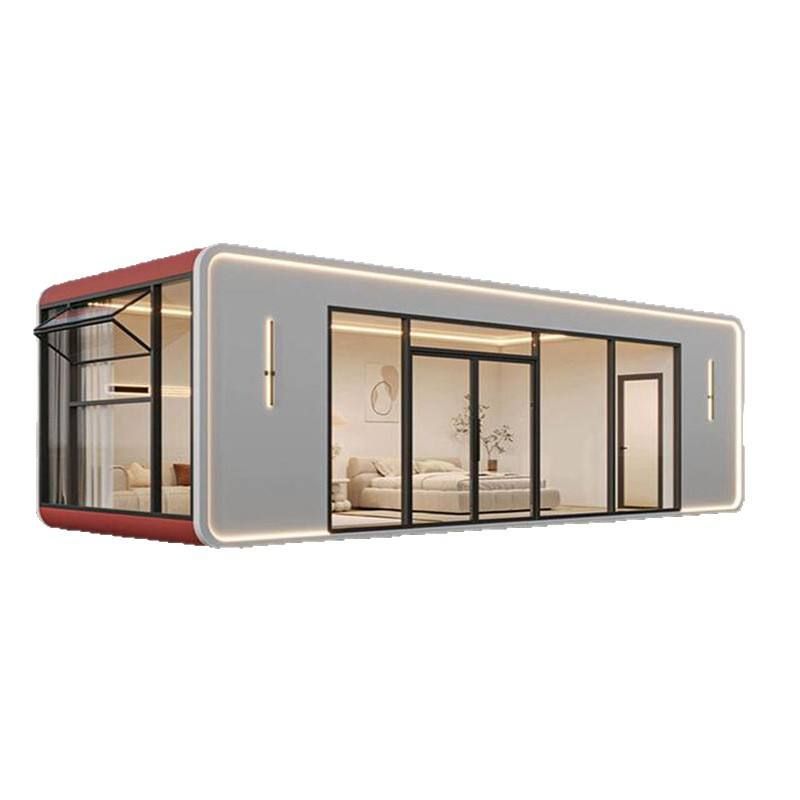
- Brick-concrete materials: Commonly used in traditional rural dry toilets, these materials are based on red bricks, cement, and sand, combined with cement mortar masonry, and the surface is treated with plastering and waterproofing. Their advantages lie in the easy availability of red bricks, low entry threshold for construction teams, controllable costs, and the ability to adjust the size of the toilet compartments as needed after wall construction, offering strong spatial plasticity. However, there are some drawbacks. Red bricks have many pores, and if the waterproofing process is not adequate, sewage can easily penetrate the walls. They are heavy, placing requirements on the foundation, and soft soil areas require additional foundation reinforcement. In northern regions during winter freeze-thaw cycles, if the waterproofing layer is not properly treated, the walls and tanks are susceptible to frost heave, leading to cracks. The on-site construction period is relatively long, requiring significant manual labor. Nowadays, in newly built dry toilets, pure brick-concrete solutions are more commonly used for in-situ renovation and expansion projects.
- Precast cement components: These materials have been widely popularized in recent years for rural dry toilet renovations. Factories pre-fabricate components such as septic tanks, toilet wall panels, and floor slabs, which are then transported to the site for direct assembly. They offer high overall strength and good pressure resistance, and with proper waterproofing treatment, their sealing performance is superior to that of ordinary brick-concrete structures. The production process is completed in the factory, ensuring relatively stable quality, with less on-site work required, faster construction speeds, and significantly shorter project durations. Integrated precast septic tank models offer even better sealing performance, reducing the risk of leakage. However, precast cement components are relatively heavy, requiring corresponding equipment for transportation and lifting, and can be difficult to handle in remote rural areas with narrow roads. The surface of the components is prone to capillary pores, so proper internal and external waterproofing coatings must be applied during production, and long-term outdoor use requires attention to surface weathering issues.
- Fiberglass-reinforced plastic (FRP) materials: These are mainstream lightweight materials for dry toilet tanks, with many rural toilet renovation projects preferring integrated FRP septic tanks. These materials are formed by compounding resin and glass fibers, with the entire structure molded in one piece without seams, offering outstanding waterproofing performance and corrosion resistance. Even with prolonged contact with fecal matter, they are not easily eroded. The products are lightweight, easy to handle, and have strong acid and alkali resistance, are not prone to rust, and have a considerable service life under normal use. In low-temperature environments, as long as the model selection meets standards, they offer good frost resistance. However, there is a significant quality gap among FRP products on the market, with raw material ratios and wall thickness directly affecting durability. When purchasing, it is important to inspect the actual workmanship to avoid thin-walled products deforming under pressure.
- Plastic materials: Common examples include PE plastic integrated fecal buckets, mostly molded in one piece using rotational molding technology. These materials have good toughness, are lightweight, and are easy to transport and install, with good sealing performance and are not prone to leakage. The rotational molding process results in a seamless structure, offering corrosion resistance, and installation does not require large machinery.
- Color-coated steel and light steel: These are also optional materials for small-scale rural household mobile toilets.



