
Mobile Toilet Rainproof Design
The rainproof design of mobile toilets ensures stable operation in harsh outdoor weather conditions through multi-dimensional optimizations in structure, materials, sealing, and drainage.
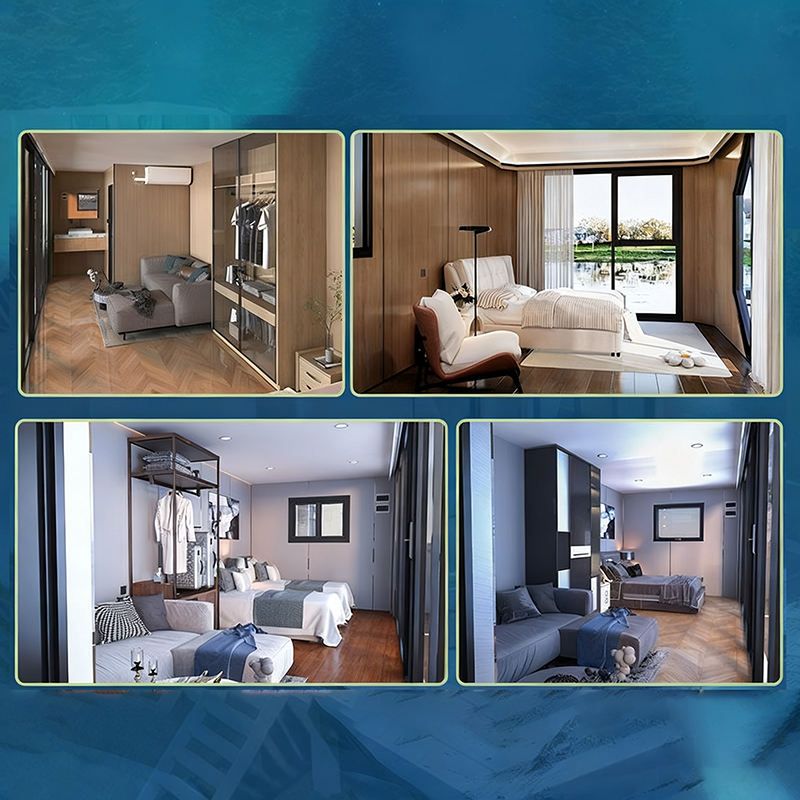
1. Shell Structure and Materials
The main frame of mobile toilets is mostly made of steel, with the outer layer covered with metal sheets or high-strength composite materials (such as special engineering plastics), and the surface treated with waterproof coatings or galvanizing processes. This design not only provides wind pressure resistance but also effectively resists rain erosion, preventing rust or deformation of the shell. For example, rust-resistant metal shells maintain structural stability in humid environments for extended periods, while composite materials reduce wind resistance through lightweight design while meeting waterproof requirements.
2. Roof and Ceiling Design
The roof adopts an inclined structure to guide rainwater quickly down the slope, preventing water accumulation and leakage. Some high-end models feature drainage channels at the edges of the roof to further enhance drainage efficiency. The indoor ceiling is made of luxury PVC panels, with seamless splicing technology eliminating gaps to prevent rainwater from seeping in from the top. PVC material itself is waterproof and moisture-resistant, and easy to clean, making it suitable for long-term outdoor use.
3. Door and Window Sealing System
Doors and windows are key components of rainproof design. Aluminum alloy frame windows are tightly fitted with glass using sealing strips to form a waterproof barrier; door seams use weather-resistant rubber sealing strips, whose elasticity can adapt to temperature changes to ensure long-term isolation from rainwater. Some models feature drainage channels at the bottom of the door frame to guide splashed water to the outside, preventing internal water accumulation.
4. Drainage and Ventilation Systems
Ventilation openings are equipped with rain covers or louvers, with angles precisely calculated to block rainwater while maintaining air circulation. The connection between the bottom drainage pipes and the ground is sealed and regularly inspected and cleaned to prevent blockages and backflow. Additionally, some mobile toilets are designed with sloped floors to guide wastewater towards drainage outlets, reducing the risk of water accumulation.
5. Electrical System Protection
All electrical equipment meets IP54 or higher protection ratings, preventing rainwater intrusion through sealed enclosures and waterproof connectors. The interior of the control box is filled with moisture-resistant materials to prevent short circuits caused by condensation. In extreme weather conditions, some models can temporarily shut down non-essential electrical functions to reduce the risk of malfunctions.
6. Adaptation to Special Environments
For extreme weather conditions such as typhoons and heavy rain, high-end models are equipped with double-layer insulated walls and typhoon-grade reinforced structures, with additional support frames added in coastal areas. In cold regions, mobile toilets are treated with anti-freezing measures (such as heated pipes and insulation materials) to prevent internal facilities from cracking due to freezing, ensuring year-round usability.



