
Mobile Toilet Quantity
The quantity of mobile toilets should be determined based on the specific scenario and scale, with different configuration standards for each scenario as follows:
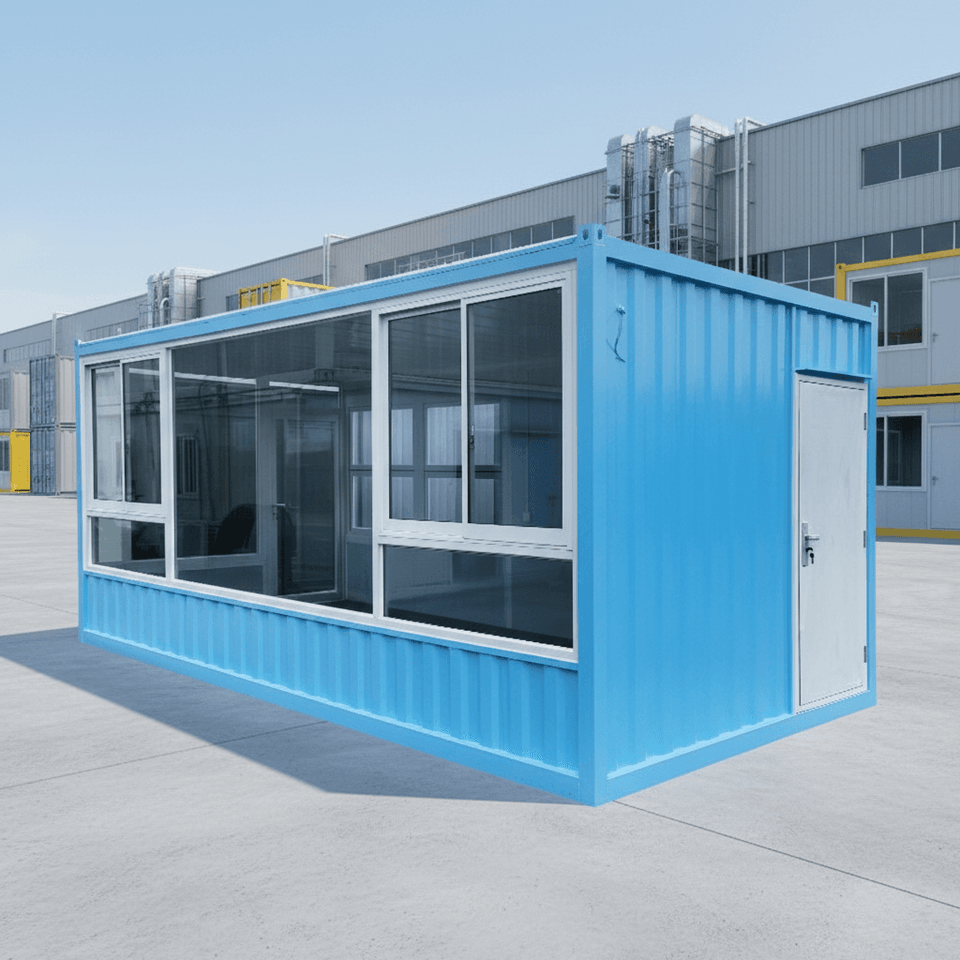
1. Small Events (Under 100 People)
Configure 1-2 mobile toilets per 50 people. For example, for events with up to 50 people, one single-occupancy toilet can be set up; for events with 50-100 people, it is recommended to configure two single-occupancy toilets or one double-occupancy toilet, with one spare toilet reserved. The spare toilet can be activated in case of sudden demand (such as equipment failure or a surge in foot traffic) to ensure continuous use.
2. Medium-Sized Events (100-500 People)
Configure 2-3 toilets per 100 people. For example, for a 200-person event, it is recommended to have two double-occupancy toilets and one single-occupancy toilet; for events with over 300 people, the number should be increased to 4-5. The recommended ratio of male to female toilet stalls is 1:1.5, with one accessible toilet included. The number of female toilet stalls should exceed that of male stalls to accommodate the longer time women typically spend in the toilet; accessible stalls meet the needs of special groups such as the disabled and the elderly.
3. Large Events (Over 500 People)
Configure 3-5 mobile toilets per 100 people. For example, for a 1000-person event, it is recommended to have three double-occupancy toilets, three single-occupancy toilets, and one accessible toilet, with additional temporary handwashing stations added during peak hours. Large events have dense foot traffic, necessitating an increase in the number of toilet stalls and temporary facilities to alleviate queuing pressure, along with dedicated personnel for maintenance and cleaning to avoid hygiene issues affecting the experience.
4. Construction Site Scenarios
Set up at least one mobile toilet stall per 25 ordinary workers, and one stall per 50 managers. For example, a construction site with 100 people needs to set up four stalls (including accessible facilities). The number of male and female toilet stalls should be configured according to the gender ratio of construction workers at 1:1.5, or with females accounting for over 40% of the total number of stalls. Construction site scenarios require distinguishing between the toilet stall needs of workers and managers, with priority given to ensuring the proportion of female toilet stalls.
5. Long-Term Use Scenarios (Such as Construction Sites, Scenic Spots)
Configure one toilet per 30-50 people, or one toilet stall per 20-30 people, with 1-2 accessible stalls included. Long-term scenarios require consideration of the durability and maintenance convenience of toilet stalls, with recommendations to choose materials that are corrosion-resistant and easy to clean, and to regularly inspect equipment status.
6. Emergency Rescue Scenarios
Flexibly configure based on the total number of affected people and rescue personnel, with a recommendation to set up one toilet stall per 50-80 people. Emergency scenarios require prioritizing basic needs, with toilet stalls that can be simplified in design (such as portable toilets), but must be equipped with disinfectants and waste disposal facilities to prevent disease transmission.
7. High Foot Traffic Density Scenarios (Such as Music Festivals, Exhibitions)
Configure one toilet stall per 30-40 people, or one stall per 100-150 people, with the number of female toilet stalls recommended to be no less than 1.5 times that of male stalls. Such scenarios require dynamic adjustment of toilet stall distribution (such as adding stalls in female areas) and increasing temporary facilities to cope with fluctuations in foot traffic.
8. Campsites
Configure one toilet per 20 people, along with shower rooms. Campsite scenarios require selecting toilet stall types based on the natural environment (such as ecological toilets), while also considering drainage and odor treatment issues to avoid polluting the surrounding environment.



