
Mobile Toilet Provision
Mobile toilets are facilities that can be moved as a whole and provide toilet services to the public. They have advantages such as mobility, modularity, and ease of transportation. There are various types and applicable scenarios, and some companies also offer rental and customization services.
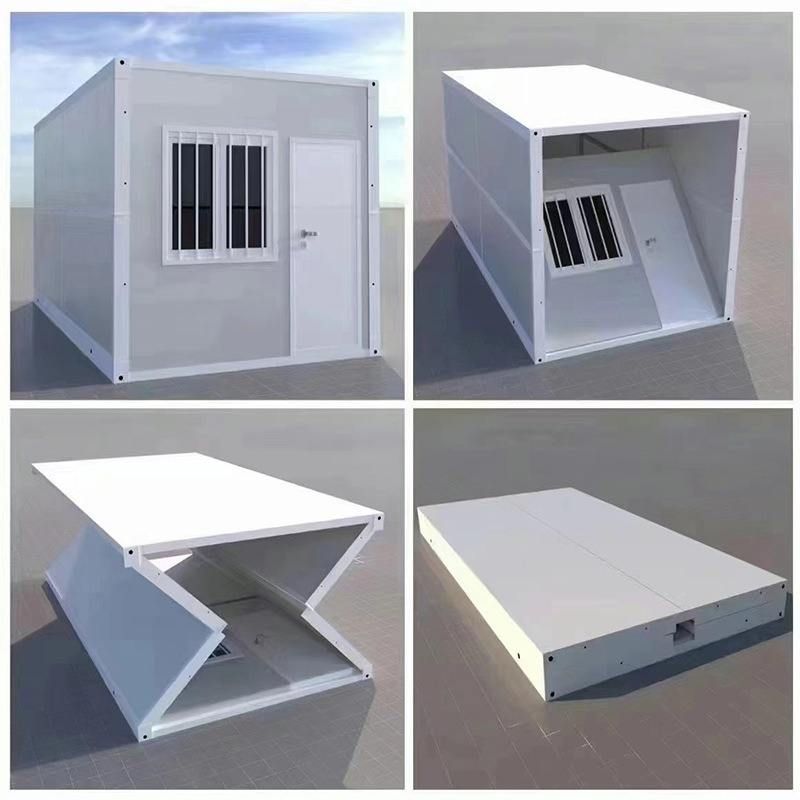
I. Basic Composition and Classification
Mobile toilets are generally composed of fecal sewage storage tanks (or disposal devices), floor slabs, sanitary ware, walls, washing equipment, water tanks, roofs, and mobile devices. According to the structural form, they can be divided into single-unit structures and composite structures; according to the moving method, they can be divided into lifting/handling types and powered/trailer types; according to the sewage treatment method, they can be divided into water-flushing and waterless suction types, circulating water-flushing types, and dry-packing types. For example, the dry-packing type does not require a water source and collects feces through degradable bags, making it suitable for water-scarce areas; the circulating water-flushing type achieves sewage circulation through biological degradation or chemical treatment, reducing water consumption.
II. Core Features and Advantages
Their greatest advantage lies in mobility. They can be quickly deployed to fixed or temporary locations such as stations, docks, tourist attractions, large construction sites, and squares, as well as for short-term events like exhibitions, sports fields, and campsites. For example, the mobile toilets of Shanghai Xuhu Industrial Co., Ltd. do not require external water and electricity connections, occupy little space, and are easy to handle, breaking through site and climate limitations. In addition, the modular design supports combined use to meet high-traffic demands; the reusable nature reduces long-term costs and is suitable for resource-limited or environmentally sensitive areas.
III. Application Scenarios and Service Models
They are applicable to densely populated public places (such as commercial streets and villa areas), temporary locations (such as markets and underground parking lots), and emergency scenarios (such as disaster relief). Some companies offer rental services. For example, Xuhu Industrial has more than 500 devices and provides sanitary products, cleaning services, and customized solutions; some manufacturers focus on customized production. For example, Taihe Mobile Toilets support styles such as antique and modern minimalism, with functional configurations that can be customized according to needs, and provide one-stop installation and commissioning services.
IV. Technological Innovation and Product Upgrades
In recent years, lightweight plastic mobile toilets have emerged. For example, the 2026 new model adopts ventilation design, a large-capacity freshwater tank, a gravity flushing system, and exhaust pipes to remove odors, enhancing the user experience; some products integrate intelligent monitoring systems to provide real-time feedback on usage status, facilitating operation and maintenance management. These innovations further expand the applicable scope and functionality of mobile toilets.



