
Mobile Toilet Project Summary
Mobile Toilet Project Summary: Through technological innovation and scientific management, the project has achieved remarkable results in terms of environmental protection, social, and economic benefits, while providing a feasible solution for upgrading infrastructure in cultural and tourism scenarios.
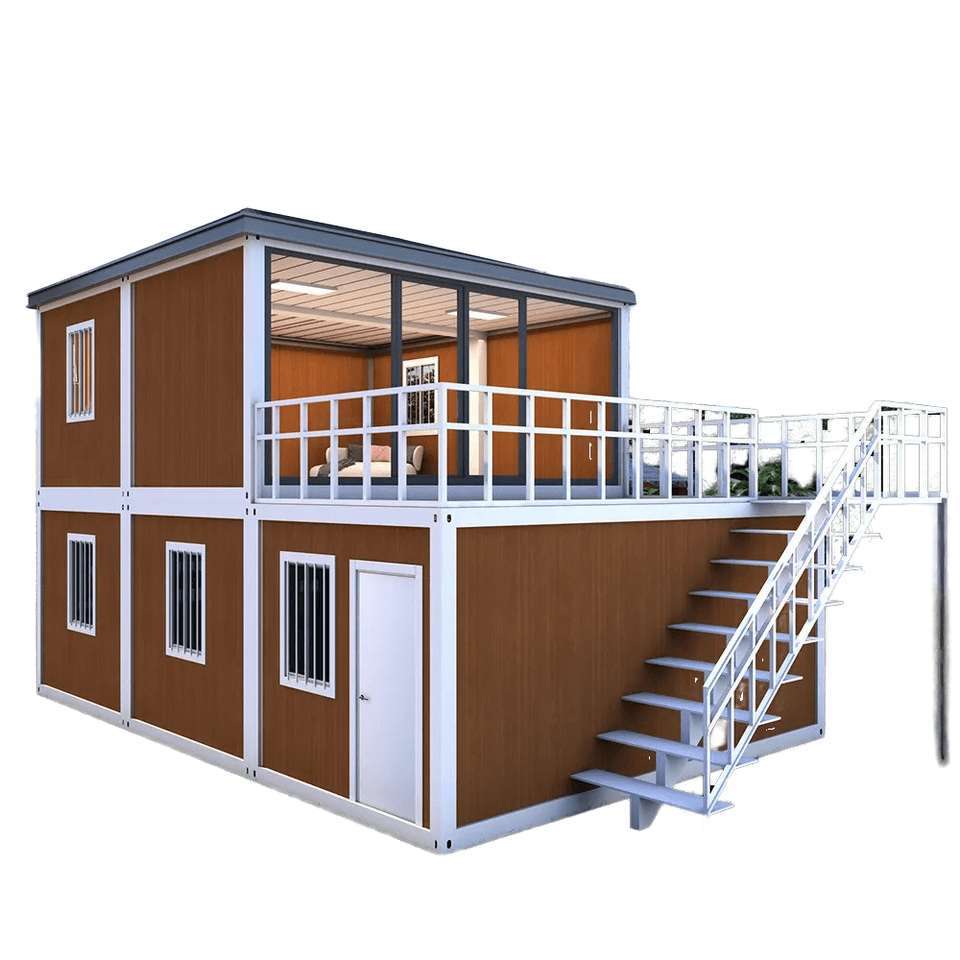
I. Project Background and Implementation Logic
With the rapid development of the tourism industry, traditional fixed public toilets face challenges in meeting demand due to long construction periods and limited site selection. Mobile toilets, with their advantages of strong mobility, energy conservation, environmental protection, and small footprint, have become the preferred solution for tourist attractions, transportation hubs, and large-scale events. The project implementation adopts a three-dimensional management approach of 'technology + scale + progress': Technologically, it introduces waterless flushing biodegradation systems, intelligent sensing devices, and AI data analysis platforms to achieve resource recycling and intelligent operation and maintenance. The scale is dynamically adjusted according to actual needs, such as a project with a total land area of 10,898.78 square meters and a total investment of 37.8954 million yuan. The progress is advanced in stages, covering site selection, design, bidding, and construction, with some regions achieving the goal of building 21 new and renovating 8 public toilets.
II. Core Achievements and Multidimensional Benefits
- Environmental Benefits: Through microbial degradation technology, it achieves 'three nos' (no water flushing, no odor, no pollution), with each public toilet saving over 500 tons of water annually and no secondary pollution during the treatment process, aligning with carbon neutrality goals.
- Social Benefits: It significantly enhances the infrastructure level of tourist attractions. For example, after deploying smart public toilets at Jiuzhaigou Huanglong High-Speed Railway Station in Sichuan, tourist satisfaction increased by 30%, effectively addressing the issue of 'difficulty in finding toilets'.
- Economic Benefits: Upon reaching full production capacity, the project can form a stable revenue chain. For instance, in one case, the annual operating revenue reached 69.07 million yuan, with a total profit of 14.2488 million yuan, while creating 119 jobs and forming a closed loop of 'construction-operation-maintenance'.
III. Challenge Response and Innovative Practices
The project faces three major challenges: limited site selection, high maintenance costs, and environmental pressure. It overcomes terrain limitations through modular design, enabling flexible deployment in sensitive areas such as historical conservation zones. It utilizes AI data analysis platforms to optimize cleaning frequency, reducing labor input by 20%. It adopts waterless flushing biodegradation technology to ensure a 100% wastewater treatment compliance rate, avoiding environmental pollution.
IV. Future Trends and Industry Impact
Mobile toilets will develop towards a deep integration of 'humanization + intelligence', integrating functions such as health monitoring and virtual reality tour guides to create a 'third space' service experience. Meanwhile, China's 'Toilet Revolution' experience is driving global industry upgrades through technology exports and standard setting. For example, Zhongyunhui's 5G smart public toilets have entered the Southeast Asian market, becoming a benchmark case for the internationalization of cultural and tourism infrastructure.



