
Mobile Toilet Project Duration Guarantee
The project duration guarantee for mobile toilets is primarily achieved through scientific planning of leasing schemes and relying on professional services from manufacturers. Combining these two aspects can effectively shorten deployment cycles and address unexpected demands.
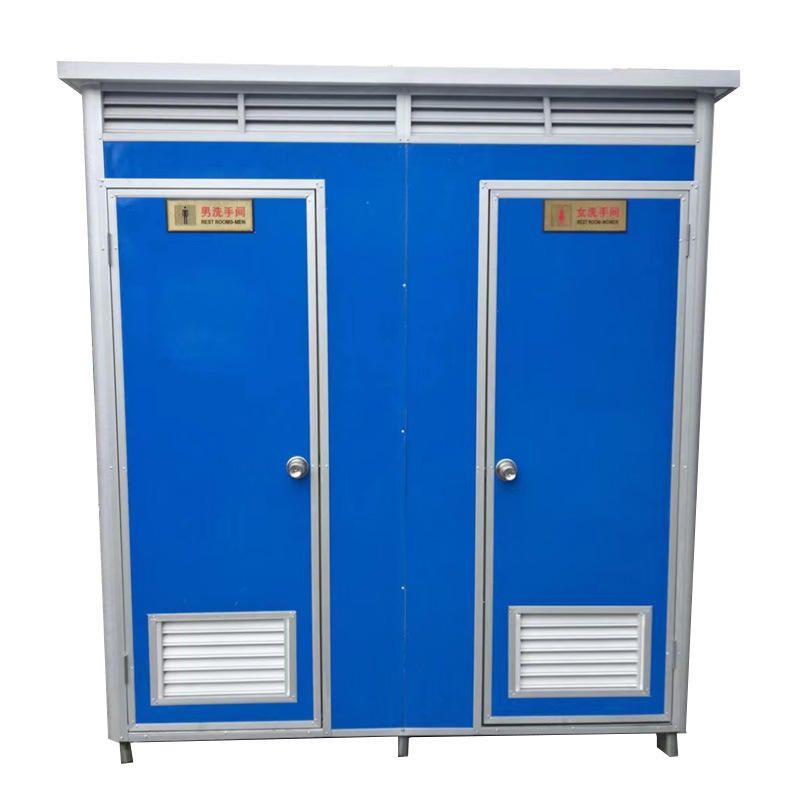
Scientific Planning of Leasing Schemes as the Foundation for Project Duration Guarantee
Choosing the right leasing model based on the number of construction workers and the project duration is crucial. For projects exceeding three months, long-term leasing is recommended as it reduces daily costs and avoids delays caused by frequent equipment replacements. For short-term projects, temporary leasing can be chosen to flexibly match the construction pace. For example, a construction site in Nanping accurately calculated the number of workers and the project duration, reasonably planned the number of mobile toilets, avoided workers queuing for toilets, improved construction efficiency by about 15%, and ensured that the overall project progress was not hindered by sanitation facilities. Leasing schemes need to be dynamically adjusted according to the actual needs of the construction site to avoid resource waste or shortage.
Professional Manufacturer Services as the Core Support for Project Duration Guarantee
Rapid Response and Precise Deployment
Professional manufacturers possess efficient production and transportation capabilities, enabling them to quickly configure toilet types (such as standard and premium models) and quantities according to site requirements. For instance, Dezhou Hongtu Metal Products Co., Ltd. can deploy five toilets within five days by optimizing its production process, meeting urgent project start-up needs. Some manufacturers also offer "one-stop" services, including on-site surveys, transportation, installation, and commissioning, further shortening the project duration.Intelligent Operation and Maintenance Management
Leading manufacturers incorporate IoT technology, using sensors to monitor toilet usage frequency, air quality (such as ammonia and hydrogen sulfide concentrations), and other indicators in real-time. The system can automatically analyze data and provide early warnings for maintenance needs. For example, when the usage frequency exceeds a threshold, the system automatically notifies the manufacturer to dispatch cleaning staff or replenish supplies. This technology is particularly crucial during periods of accelerated project schedules—if additional toilets are needed on-site, the manufacturer can complete delivery and installation within 24 hours, ensuring uninterrupted construction.Emergency Plans and Flexible Adjustments
In response to unexpected situations (such as project extensions or sudden increases in the number of workers), professional manufacturers typically maintain backup equipment and establish cross-regional allocation mechanisms. For example, a large-scale infrastructure project required a three-month extension due to design changes. The manufacturer quickly supplemented 10 mobile toilets by coordinating resources from nearby warehouses, avoiding work stoppages caused by insufficient sanitation facilities.
In conclusion, ensuring the project duration for mobile toilets requires scientific planning as a prerequisite and professional manufacturer services as support. Through technological empowerment and resource integration, efficient and flexible sanitation facility management can be achieved, ultimately ensuring the smooth progress of the project.



