
Mobile Toilet Production
Mobile toilet production involves multiple aspects such as materials, types, structures, sewage treatment, and design principles. Here is a detailed introduction:
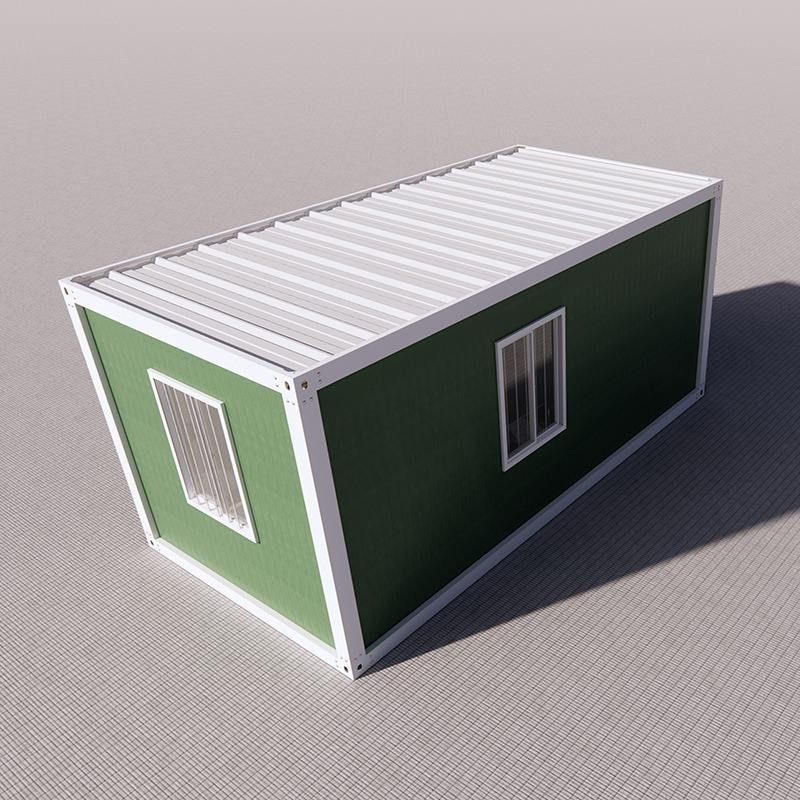
Production Materials and Processes: Mobile toilets are made from a variety of materials, commonly including wood, fiberglass-reinforced plastic, and polyethylene. During production, materials such as water storage tanks and pallets are used for assembly. For example, to enhance mobility, universal wheels are installed; openings are cut into the water storage tanks to facilitate the installation of sanitary fixtures like toilets, faucets, and washbasins, while ensuring proper connection of water pipes and drainage systems for normal use.
Product Types and Prices: The market offers a diverse range of mobile toilets, including metal-clad mobile toilets with attractive and durable exteriors; eco-friendly public outdoor restrooms for scenic areas to meet the needs of a large number of tourists; and mobile toilet-shower combination units with more comprehensive functions. Prices vary depending on type, specifications, and features, ranging from tens to thousands of yuan, allowing consumers to choose based on their actual needs and budget.
Structural Forms and Mobility Methods: In terms of structural form, there are single-unit mobile toilets with relatively simple structures suitable for spaces with limited area; and composite-structure mobile toilets that are more complex and offer stronger functionality. Regarding mobility methods, there are lifting and handling mobile toilets that can be moved using equipment like cranes; and powered or towed mobile toilets that have their own power or can be towed by vehicles, offering higher flexibility.
Sewage Treatment Methods: To adapt to different environments and needs, mobile toilets employ various sewage treatment methods. Water-flush and waterless-flush suction types can quickly treat excreta; circulating water-flush types enable the recycling of water resources, saving water; and dry-packing types do not require water and package excreta for easy subsequent cleanup.
Design Principles: The design of mobile toilets should adhere to principles such as mobility convenience, economic durability, environmental protection, ecological friendliness, efficiency enhancement, and humanitarian promotion. The overall structure should be lightweight and durable, with complete and reasonable mobility devices to ensure safety and reliability during use and movement.



