
Mobile Toilet Power Connection Method and Steps
The power connection for mobile toilets must strictly adhere to safety regulations, with the specific steps as follows:
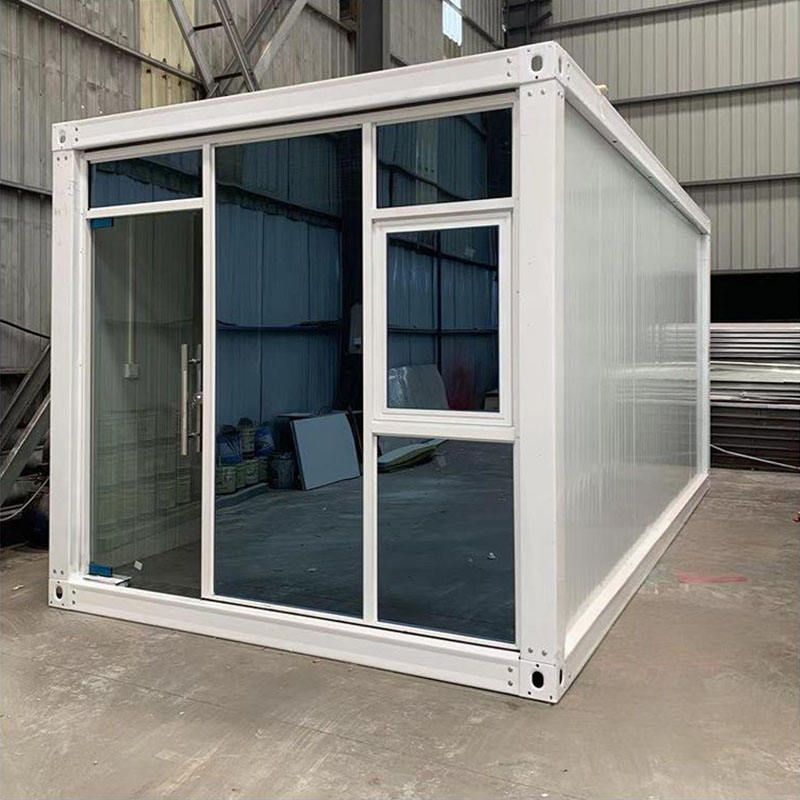
1. Qualification Confirmation and Responsibility Allocation
The power connection operation must be carried out by a unit or individual with formal power construction qualifications. A contract should be signed before construction to clarify the ownership of power usage responsibilities and avoid subsequent disputes. For example, in municipal activities or engineering scenarios, a professional team should formulate an independent power supply plan to avoid sharing circuits with other equipment.
2. Circuit Matching and Protective Measures
- Power Cord Specification Check: Confirm whether the built-in power cord of the mobile toilet meets the power requirements to avoid overloading. For example, if the total power of the equipment is 3kW, a cable with a carrying capacity ≥ 3kW should be used.
- Temporary Cable Selection: Prioritize the use of waterproof and sun-resistant cables. When the length exceeds 10 meters, a leakage protector should be installed to prevent accidents caused by leakage.
- Connector Handling: The circuit connectors must be wrapped and fixed with insulating tape, and external sockets should be equipped with waterproof boxes to prevent short circuits caused by rain or humid environments.
3. Grounding and Distribution Box Specifications
- Grounding Requirements: All mobile toilets must be reliably grounded, with a grounding resistance ≤ 4Ω and a grounding body buried depth ≥ 0.6 meters to ensure that the current can be safely conducted into the ground in case of leakage.
- Distribution Box Installation: The distribution box should be placed in a dry and ventilated location, equipped with rainproof facilities, and the internal air switch should match the equipment power. For example, if the equipment power is 2kW, the rated current of the air switch should be ≥ 10A. Unauthorized connections or overloading are strictly prohibited.
4. Circuit Laying and Safety Distances
- Overhead Circuits: The height of temporary overhead circuits should be ≥ 2.5 meters, and they should maintain a distance ≥ 0.5 meters from ground objects to avoid personnel contact or vehicle碾压 (crushing).
- Buried Circuits: If buried, they should be protected by PVC pipes, with a burial depth ≥ 0.7 meters, avoiding water sources, heat sources, and vehicle crushing areas. Checkpoints should be set every 10 meters, and the grounding resistance should be tested regularly.
5. Acceptance and Daily Inspections
- Construction Acceptance: After completion, it should be inspected by professionals to confirm that the circuits are not damaged, the grounding is normal, and the load matches.
- Daily Checks: During use, check daily whether the wire connectors are loose and whether the cables are damaged. After rain, focus on checking for leakage. If any hidden dangers are found, rectify them immediately.
Supplementary Information for Special Scenarios: For mobile toilets in rural renovation projects, ensure that the grounding and rainproof measures are in place, and internal configurations such as lighting and exhaust fans should be tested separately.
The above steps must strictly follow industry standards to ensure electrical safety.



