
Mobile Toilet Operation
Mobile toilet operation covers various aspects such as research and development, production, sales, leasing, and after-sales maintenance. Enterprises meet the needs of different scenarios by providing a diverse range of products and customized services.
1. Enterprise Types and Business Models
Mobile toilet operation enterprises typically possess full-industry-chain capabilities, encompassing research and development and design, production and manufacturing, sales and leasing, and after-sales services. For example, Shanghai Shijie Energy-Saving and Environmental Protection Technology Engineering Co., Ltd. focuses on technological innovation and offers mobile toilet leasing, sales, and rental services. Its products are applied in places like city squares, tourist areas, and industrial and mining sites. Hebei Jijie Environmental Protection Equipment Leasing Co., Ltd. integrates production, sales, and leasing, with its service scope covering product launches, construction sites, and international grand events. Some enterprises, such as Hebei Youxuan Environmental Protection Technology Co., Ltd., concentrate on specific materials (e.g., color-steel frames) or technologies (e.g., microbial degradation for sewage disposal), meeting the needs of niche markets through differentiated products.
2. Product Categories and Functional Features
Mobile toilets can be divided into five major categories based on structure and function:
- Single-unit type: Independent units suitable for places with limited space;
- Modular type: Modular assembly, allowing for capacity expansion;
- Barrier-free type: Equipped with ramps and handrails to serve special groups of people;
- Eco-friendly type: Adopt technologies such as microbial degradation and foam sealing to reduce dependence on water and electricity;
- Luxury type: Integrated with air conditioners and fresh air systems to enhance the user experience.
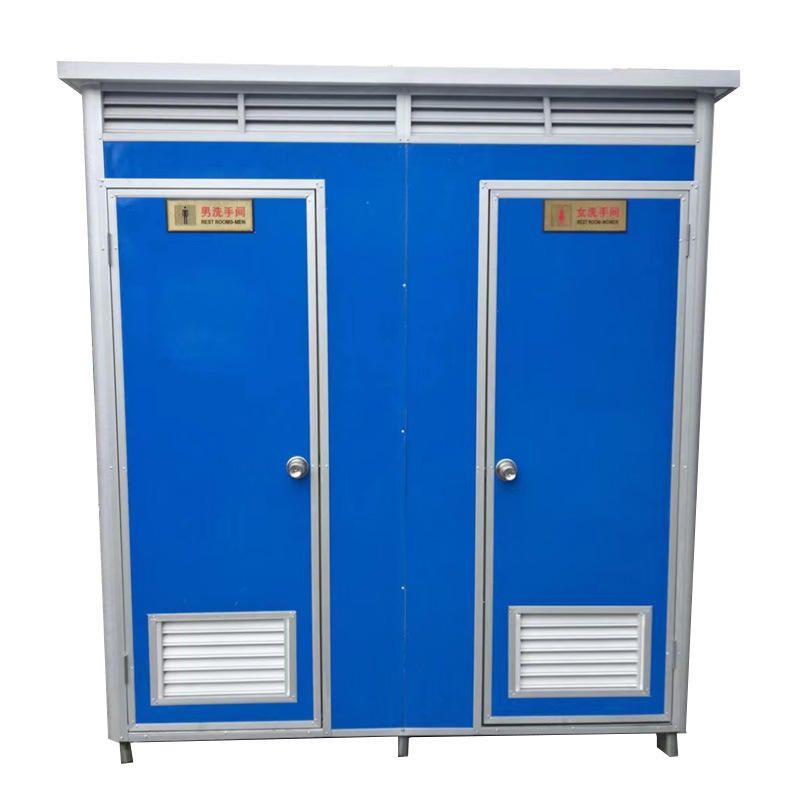
Hebei Youxuan's color-steel mobile toilets use lightweight materials, are wind and rain resistant, and support customized appearances. Hebei Jijie offers high-, medium-, and low-end products to meet different budget requirements.
3. Customization Process and Delivery Cycle
The customization service usually consists of four steps:
- Requirement communication: Enterprises recommend solutions based on on-site conditions (e.g., space and water and electricity access);
- Factory prefabrication: The production cycle is approximately 7-15 days, with standardized modules used to reduce errors;
- On-site installation: Deployment is completed through hoisting or assembly, and the toilets can be used after connecting to water and electricity;
- After-sales maintenance: Services such as regular cleaning and equipment inspection are provided to ensure long-term stable operation.
For example, Shanghai Shijie can design suitable products according to customer needs, and Hebei Jijie promises dedicated cleaning personnel to ensure hygiene standards.
4. Application Scenarios and Market Demand
Mobile toilets are widely used in municipal, commercial, and industrial fields, including construction sites, tourist attractions, highway service areas, and community events, which are temporary or mobile places. Their core value lies in solving the problem of the lack of fixed sewage disposal facilities or high costs. Meanwhile, they reduce the impact on the environment through eco-friendly technologies (e.g., waterless flushing and microbial degradation). With the acceleration of urbanization and the increase in large-scale events, the market demand for mobile toilets continues to grow. Enterprises need to enhance their competitiveness through technological innovation and service optimization.



