
Mobility Design of Mobile Toilets
The mobility design of mobile toilets is primarily reflected in aspects such as structure, devices, modularization, and classification of mobility methods.
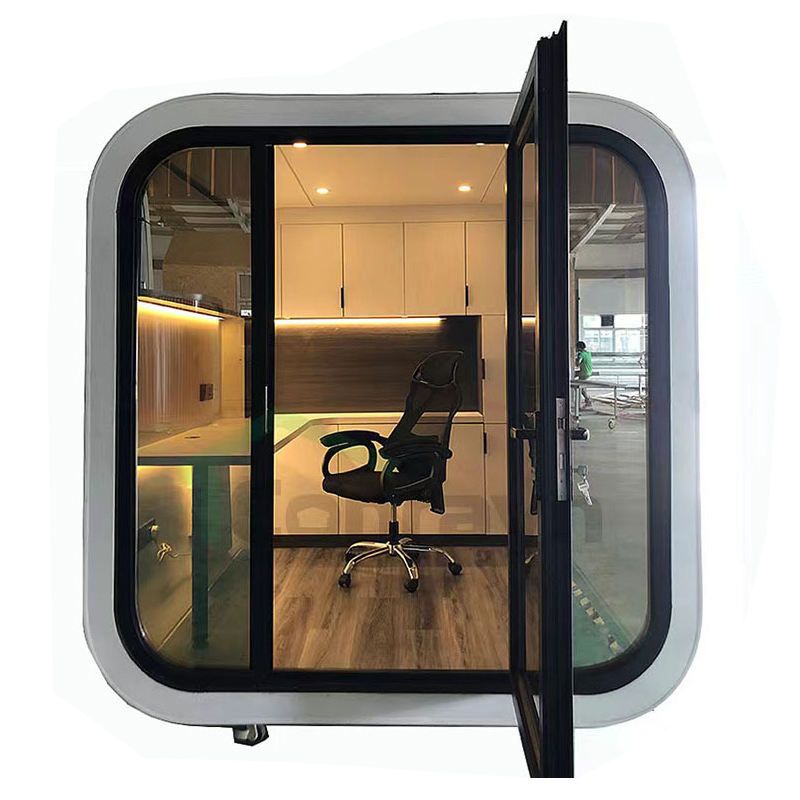
Structural Design and Material Selection: Mobile toilets adopt a design approach that combines lightweight frames with durable panels. The main frame is often made of metal materials, such as iron sheet profiles, which provide a stable structural support to ensure the stability of the toilet during use. The exterior is covered with color-coated steel plate trim, which has anti-rust and easy-to-clean properties, effectively extending the service life of the toilet while reducing maintenance costs. The inner interlayer is filled with foam material, which provides good thermal insulation, enabling the mobile toilet to adapt to outdoor environments with large temperature differences and offering a relatively comfortable user experience. The top and bottom adopt a separated design, which facilitates the shipment of individual parts and allows transportation to remote areas using small vehicles. During on-site assembly, simple tools are sufficient to complete the assembly, greatly improving installation efficiency and reducing transportation and installation costs.
Mobility Devices: To facilitate overall movement, mobile toilets are generally equipped with mobility devices, commonly including casters. For example, in some cases, casters are fixed at the four corners of a wooden board, enabling the mobile toilet to be moved easily. Casters are highly flexible and can rotate freely in different directions, allowing the mobile toilet to change positions effortlessly and meet the needs of temporary use or location adjustments.
Modular Design: Through modular design, the functions of traditional fixed restrooms are integrated into a detachable and easily transportable structure. This design supports rapid coverage of scattered residential points, such as in temporary construction sites or event venues, where mobile toilets can be quickly deployed according to actual needs. Additionally, the layout can be dynamically adjusted based on foot traffic, increasing the number of toilets in high-traffic areas and decreasing them in low-traffic areas, thereby improving resource utilization efficiency, especially in areas lacking fixed infrastructure.
Classification by Mobility Method: Mobile toilets can be classified into lifting and handling types, powered and towed types, etc. Different types of mobile toilets meet mobility needs in various scenarios. For example, lifting-type mobile toilets can be moved using lifting equipment, suitable for large-scale events or scenarios requiring rapid relocation; powered and towed-type mobile toilets can be towed by vehicles, facilitating long-distance transportation between different locations.



