
What Materials Are Used for Mobile Toilets
The materials used for mobile toilets mainly include metal materials, plastic/composite materials, wooden materials, and other materials, as detailed below:
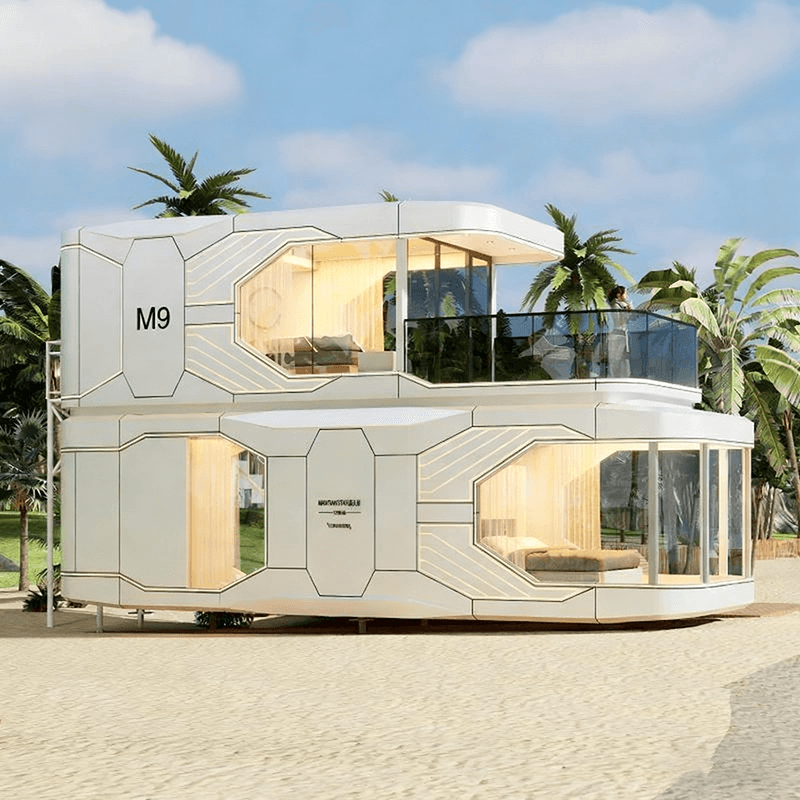
Among metal materials, aluminum alloy is lightweight and highly corrosion-resistant, making it the mainstream choice for the framework and skeleton of mobile toilets. Its low density and high strength effectively reduce the overall weight of the mobile toilet, facilitating easy transportation and installation, while also providing excellent corrosion resistance to adapt to various environmental conditions. Stainless steel, with its extremely strong corrosion resistance, is primarily used for hardware components, door hinges, and some exterior finishes inside the toilet. These parts require high durability and corrosion resistance, and stainless steel meets long-term usage needs while reducing maintenance costs.
In terms of plastic/composite materials, color-coated steel sheets are suitable for ordinary suburban areas where appearance is not a priority and budget is a consideration. They are cost-effective and meet basic usage requirements. PVC boards are commonly used for internal partitions, wall panels, and ceiling panels in toilets, offering waterproof, moisture-proof, and easy-to-clean properties. Their surfaces can also be printed with patterns to enhance aesthetics. High-density polyethylene (HDPE) plastic is lightweight, with an overall weight of less than 1.8 tons, and highly corrosion-resistant. It has passed a 5,000-hour salt spray test and has a lifespan of 10 to 12 years, making it suitable for frequently moved locations such as scenic spots and temporary events. Fiberglass-reinforced plastic (FRP), composed of resin and glass fibers, is lightweight and corrosion-resistant, suitable for long-term outdoor use with a fire rating of B1. It is commonly found in mobile toilets at construction sites.
Among wooden materials, preservative-treated wood is suitable for mobile toilets in scenic spots due to its natural wooden texture, which is favored by many parks and scenic areas. After pressure treatment, it can be used for interior decoration or external framework of the toilet, but it requires regular application of preservative coatings and may deform in high-humidity environments. Ecological wood, composed of wood powder and plastic, combines the appearance of wood with the durability of plastic, offering better waterproof and insect-resistant properties than natural wood. However, it has poor heat resistance and should be avoided from prolonged exposure to sunlight, making it suitable for scenarios that pursue a natural style but have a limited budget.
For other materials, metal embossed panels are suitable for public toilets beside roads in urban construction, offering corrosion resistance, oxidation resistance, and resistance to aging, with a variety of colors and imitation wall tile styles to choose from. Rock wool sandwich panels are used for ceiling panels or partition walls in toilets. Filled with rock wool (density ≥ 80kg/m³), they effectively provide sound insulation and thermal insulation, with a fire rating of A, making them suitable for crowded areas.



