
Mobile Toilet Material Structure
The material structure of mobile toilets mainly includes three aspects: structural form, main materials, and roof structure.
Structural Form
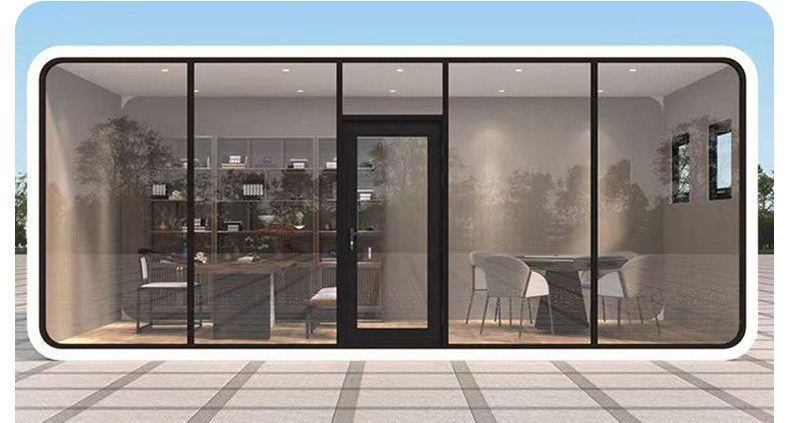
Mobile toilets can be divided into single-structure mobile toilets and composite-structure mobile toilets based on their structural forms. A single-structure typically refers to an independently formed single toilet unit. Its structure is relatively simple, facilitating rapid deployment and mobility, making it suitable for temporary or small-scale usage scenarios. A composite structure, on the other hand, is composed of multiple functional modules. For example, the toilet body, sewage storage device, and water supply system are integrated into a single overall framework. Although its structure is more complex, it offers more comprehensive functions and is suitable for long-term use or places with high hygiene requirements.
Main Materials
Based on material properties, the main materials of mobile toilets are diverse to meet different environmental needs:
- Fiberglass-reinforced plastic mobile toilets: The main material is epoxy resin and glass fiber. The surface is smooth and the structure is sturdy, with excellent corrosion resistance. The base is molded using colored reinforced fiberglass, making it resistant to corrosion. The wall panels are smooth on both sides, facilitating daily cleaning and maintenance. An internal fecal visual isolation system is installed to enhance user privacy. An independent water tank is equipped to reduce dependence on external water supplies. The top is made of highly transparent waterproof material, enabling natural lighting while being anti-UV and easy to clean.
- Galvanized steel sheets: They have good rust resistance and are especially suitable for humid environments such as seaside areas. They can effectively resist the erosion of salt and moisture, extending the service life.
- Aluminum alloy: It is lightweight, facilitating frequent handling and redeployment, and is suitable for places that require frequent movement, such as large event venues and construction sites.
- Antibacterial composite materials: Used for internal panels, they have a smooth surface and antibacterial properties, are easy to clean, and can effectively reduce odor residue, improving hygiene conditions.
Roof Structure
The roof of mobile toilets usually adopts a slope design to avoid water accumulation and ensure smooth drainage. At the same time, a double-layer insulation layer is set on the roof. The outer layer blocks direct sunlight, and the inner layer reduces heat transfer. This can effectively cope with extreme weather conditions, such as high-temperature or cold environments, keeping the internal temperature of the toilet relatively stable and enhancing user comfort.



