
Comprehensive Guide to Mobile Toilet Material List
The list of commonly used materials for mobile toilets mainly includes metal materials, plastic/composite materials, wooden materials, and other special materials, as detailed below:
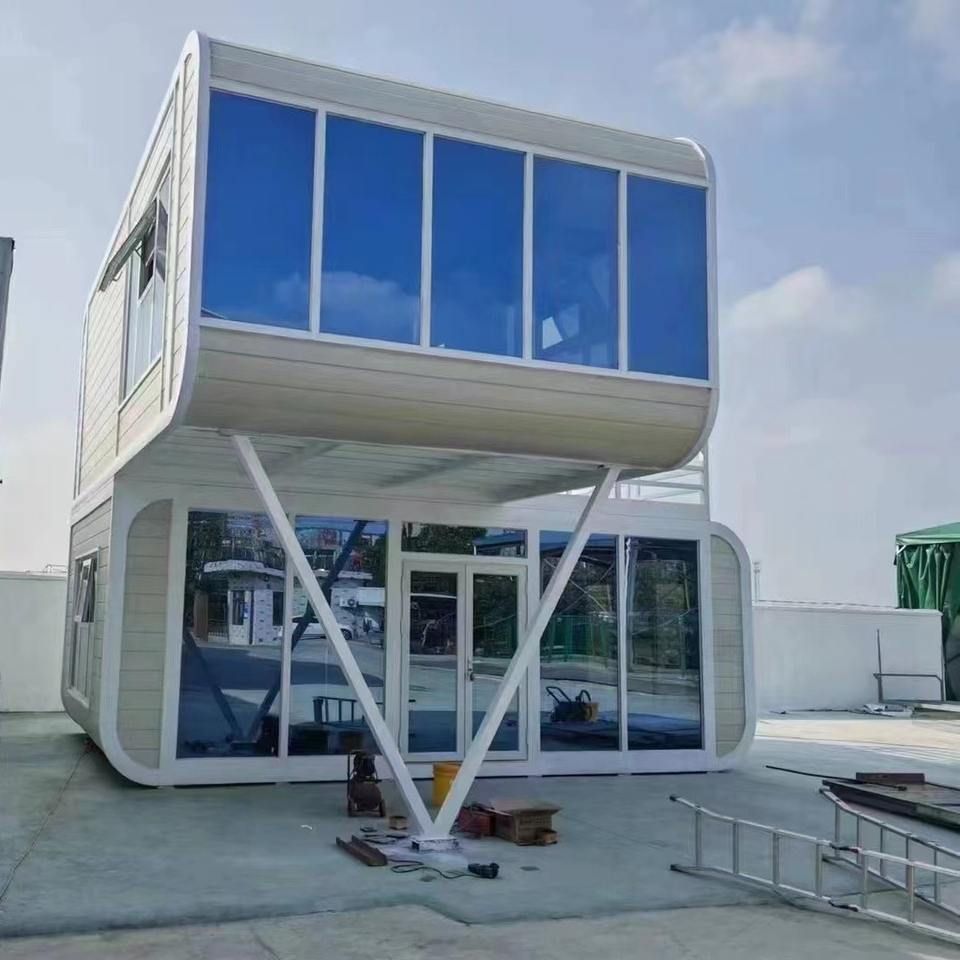
Metal Materials
Aluminum alloy is the core material for the framework and structure of mobile toilets. Its lightweight nature reduces the overall weight, facilitating transportation and installation, while its strong corrosion resistance makes it suitable for outdoor humid environments. Stainless steel is used for internal hardware (such as water tanks and pipes), door hinges, and some exterior finishes. Its excellent corrosion resistance ensures long-term structural stability, especially in high-humidity or coastal areas.
Plastic/Composite Materials
PVC panels are widely used for internal partitions, wall panels, and ceiling panels due to their waterproof, moisture-proof, and easy-to-clean properties, effectively preventing mold and odor retention. Fiberglass-reinforced plastic (FRP), composed of resin and glass fibers, combines lightweight, high strength, and corrosion resistance, making it ideal for outer shells or overall structures for long-term outdoor use. High-density polyethylene (HDPE) panels are characterized by high strength, impact resistance, and UV resistance, often used for bottom and exterior decorations to withstand external impacts and UV aging.
Wooden Materials
Pressure-treated wood, after undergoing pressure treatment, can be used for interior decoration or exterior frames but requires regular maintenance to prevent decay. Eco-wood, a composite material of wood powder and plastic, offers superior waterproof and insect-resistant properties compared to natural wood and requires less frequent maintenance, suitable for scenarios requiring both aesthetics and durability.
Other Materials
Color-coated steel panels, composed of color-coated steel sheets and foam or rock wool cores, are lightweight and easy to install, commonly used for the outer panels of temporary mobile toilets. Rock wool sandwich panels are used for ceiling panels or partition walls, with rock wool filling providing sound insulation and thermal insulation effects, and achieving a Class A fire rating to enhance safety. Thickened anti-slip galvanized materials are used for floors, with bottom supports welded from galvanized square tubes, offering both anti-slip and corrosion-resistant properties.
Configuration Instructions: Taking a mobile toilet with a shower function as an example, the outer panels typically use high-quality color-coated steel panels with 5-centimeter-thick foam. Internal facilities include exhaust fans, light bulbs, power switches, flush tanks, washbasins, toilets, and spherical door locks. Columns and trim are made of aluminum alloy, with columns designed as 5-centimeter semicircles. Sewage disposal methods include direct discharge (requiring connection to sewage pipes or septic tanks) or collection in fecal tanks. The specific material selection should be based on the usage scenario, budget, and aesthetic requirements.



