
Do Mobile Toilets Have No Lights?
Mobile toilets are not without lights; their lighting systems are carefully designed and configured to meet usage needs in various scenarios.
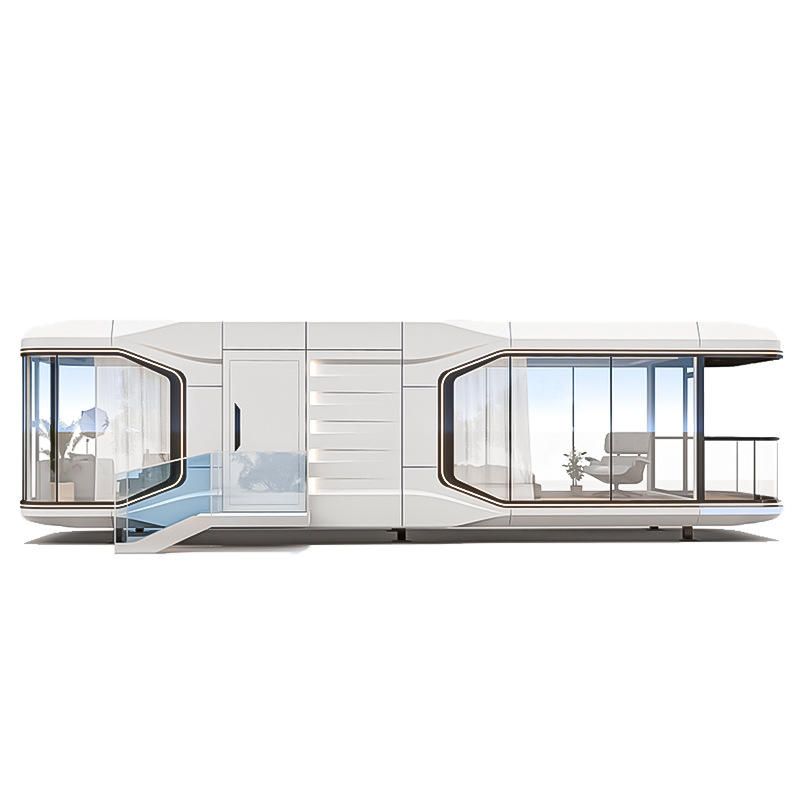
I. Light Fixture Selection
The lighting systems of mobile toilets primarily use LED lights due to their significant advantages in energy efficiency, high brightness, and long lifespan. Depending on the functional area, the types of light fixtures are further refined: urinal and handwashing areas typically use flat-panel LED lights with excellent waterproof and moisture-proof properties to ensure stable operation in humid environments; the toilet area may be equipped with warm-toned downlights to create a comfortable atmosphere with soft lighting, enhancing the user experience.
II. Layout Planning
The layout of light fixtures needs to be scientifically planned based on the toilet's area and shape. The number and position of ceiling lights are dynamically adjusted according to the space size to ensure uniform and comprehensive lighting without blind spots. An additional mirror light is installed above the sink to provide localized lighting for users, meeting the need for clear vision during grooming. For example, Baotou Jiahe mobile toilets adopt a three-tier lighting system, including general lighting, accent lighting, and ambient lighting, enhancing functionality through multi-level lighting design.
III. Power Configuration
The power supply method varies depending on the usage scenario. If the mobile toilet is near a power outlet, it can be directly connected to the mains electricity; for remote areas or scenarios where mains electricity is inaccessible, a combination of solar panels and batteries is used for power supply, achieving green energy efficiency. The power requirements differ among various types of mobile toilets: ordinary non-powered models require 1-2 LED lights with a power of approximately 5-20W; electric flush models require 2-3 lights with a power of about 10-30W; microbial degradation models require 1-2 lights with a power of about 10-20W; and smart models require 3-5 lights with a power of about 20-50W.
IV. Smart Control
To improve energy efficiency, mobile toilets are generally equipped with smart motion sensors that enable automated control, turning lights on when someone approaches and off when they leave. For example, the lights in Baotou Jiahe mobile toilets all support smart sensing systems, using sensors to monitor human activity in real-time, avoiding ineffective lighting, and further reducing energy consumption.



