
Mobile Toilet Landscape
Mobile toilets have become important facilities in smart cities and scenic spots that combine practicality and aesthetics.
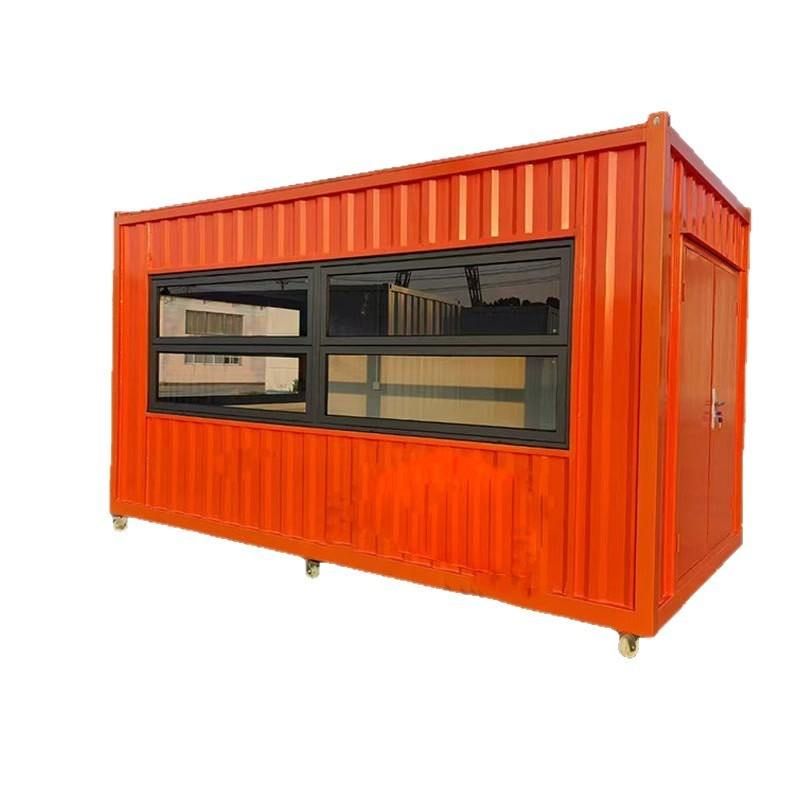
Environmentally friendly materials with superior performance: Mobile toilets extensively utilize environmentally friendly materials such as fiberglass, polyethylene, stainless steel, and metal carved panels. These materials are sturdy, lightweight, and corrosion-resistant, enabling them to adapt to various usage environments and extend the lifespan of the facilities. Additionally, the lightweight nature of these materials makes it easy to move mobile toilets as a whole, providing convenience for flexible deployment in different scenarios and laying the foundation for intelligent upgrades of internal functions.
Innovative and diverse exterior designs: In terms of exterior design, mobile toilets have undergone bold innovations. The use of dopamine-inspired color schemes attracts people's attention and creates a lively atmosphere. Moreover, three-dimensional shapes are tailored to the characteristics of scenic spots. For example, in natural scenic areas, soft and streamlined designs are adopted to blend harmoniously with the surrounding natural landscapes, as if they were a part of nature. In cultural and historical scenic spots, Chinese landscaping aesthetics are incorporated, showcasing the charm of traditional culture. In trendy leisure scenic spots, minimalist and luxurious geometric shapes are used, conforming to modern aesthetic trends and becoming distinctive micro-landscapes with a sense of texture and visual appeal in the scenic areas.
Diverse and intelligent ecological functions: The functions of mobile toilets have undergone significant evolution, transforming from simple “containers for waste” into independent sanitary units that integrate automatic flushing, hand washing, and hand drying. Some mobile toilets have even become micro-ecological treatment systems, enabling the coexistence of multiple wastewater treatment methods, such as intelligent water-saving ecological toilets, circulating water flushing types, and waterless types. These functions not only significantly enhance the user experience but also reduce the environmental load, embodying the concept of environmental protection.
Flexible adaptation to multi-scenario demands: Mobile toilets possess flexibility and the ability to adapt to multiple scenarios, allowing for rapid deployment in music festivals, tourist attractions, large-scale temporary construction sites, remote rural areas, and disaster relief sites. In scenic spots, they solve the toilet-related inconveniences for tourists and serve as “convenient guardians” that enhance the service quality and tourism experience of the scenic areas, demonstrating their irreplaceable value compared to fixed toilets.



