
Mobile Toilet Issues
Answers to common questions about mobile toilets are as follows:
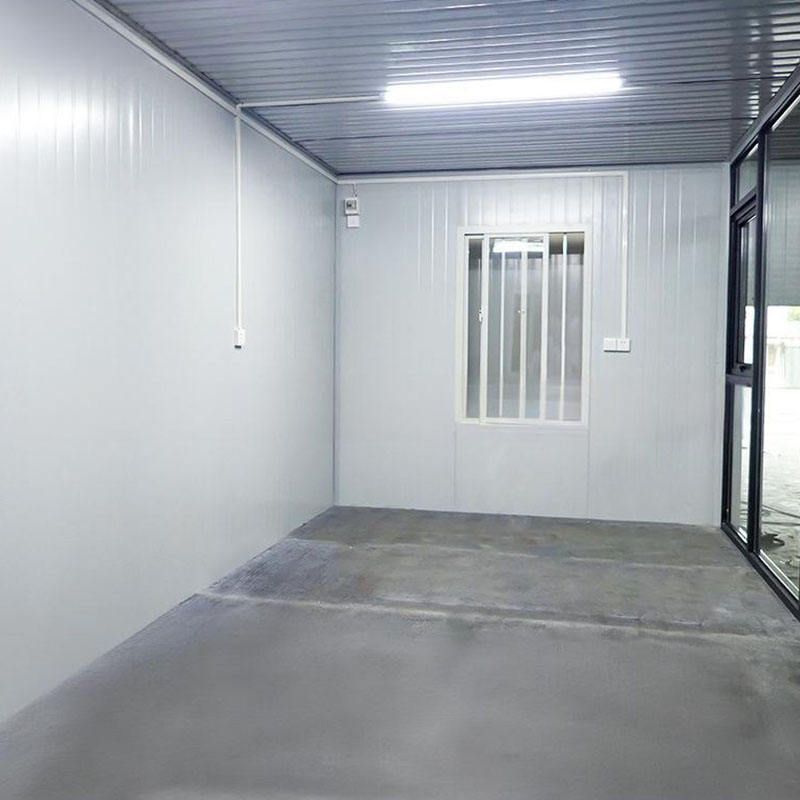
I. Usage Precautions Mobile toilets are primarily designed for outdoor use, with structures typically welded from square steel frames, offering wind and rain resistance, making them suitable for parks, scenic spots, construction sites, and other locations. Internal configurations generally include sinks, flushing devices, exhaust fans, etc., with some high-end models also equipped with lighting and deodorization systems. Three key points to note during use:
- Regularly clean the sewage system: Mobile toilets often use septic tanks or fecal storage boxes, requiring timely cleaning based on usage frequency to prevent blockages or overflow. For example, scenic spot toilets are recommended for daily inspection, while construction site toilets can be cleaned every 3-5 days.
- Maintain good ventilation: Exhaust fans should operate continuously to prevent odor buildup; for non-powered toilets, ensure ventilation openings are unobstructed.
- Avoid heavy impacts: The outer shells are mostly made of metal or high-strength plastic, but prolonged impacts can cause deformation, affecting sealing performance.
II. Controversies and Improvements of Tidal Toilets Huizhou West Lake Scenic Area in Guangdong once trialed "tidal toilets," using movable signs to dynamically adjust the ratio of male to female toilet stalls to alleviate peak-hour queuing issues. The main controversies are:
- Privacy leakage risks: The signs can be manually adjusted, and some tourists' misoperations have led to confusion in gender identification, causing embarrassment during toilet use.
- Lack of management: Without dedicated supervision, signs were moved arbitrarily, even leading to extreme cases where "male toilets became female toilets." Improvement measures: The involved toilets have removed the adjustable signs and replaced them with fixed slot-type door plates, allowing adjustments only by staff using special tools, eliminating human interference at the source.
III. Sanitation Challenges in Leasing Mobile toilet leasing is common for large events or temporary construction sites, with sanitation being the core challenge:
- Insufficient cleaning frequency: Some lessors reduce cleaning times to cut costs, resulting in severe odors and even mosquito breeding.
- Lack of disinfection measures: Simple rinsing alone cannot kill bacteria; regular use of professional disinfectants is required for toilet bowls, floors, and other contact surfaces. Recommendations: Before leasing, clarify cleaning responsibility clauses, requiring at least two daily cleaning services and the provision of deodorizers, disinfectants, and other consumables.



