
Quay lại blog
Bài viết
Mobile Toilets Are Too Dangerous
Quản trị 27 tháng 9, 2026
Mobile toilets do pose certain dangers, mainly in terms of accidental removal, health and hygiene, accidental safety, and the facilities themselves.
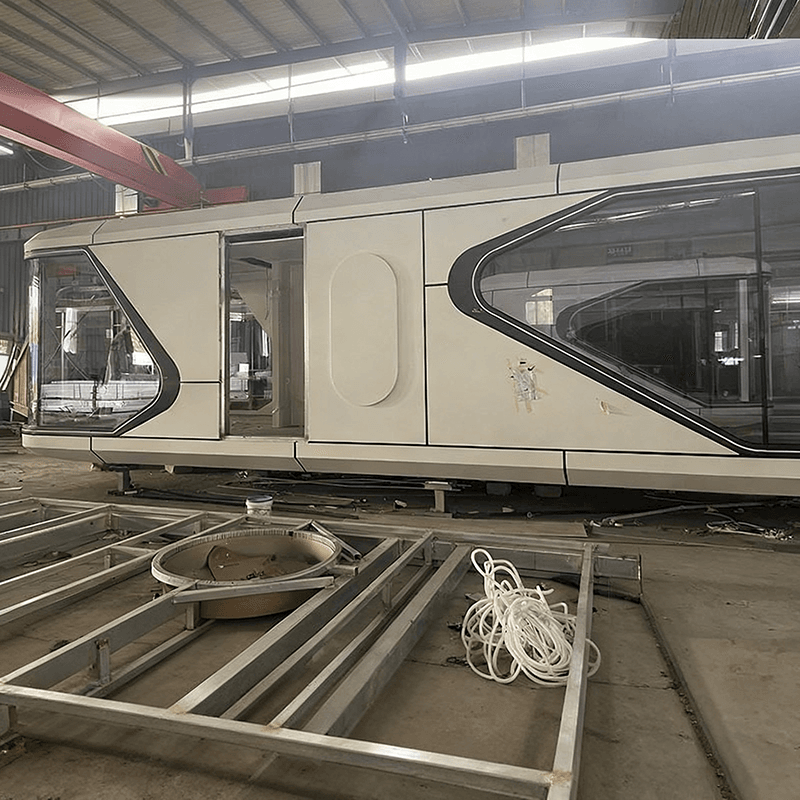
- Risk of Accidental Removal: When mobile toilets are connected to the ground in a simple manner and lack anti-drag devices, there is a risk of being accidentally removed by vehicles. For example, a woman in Wuhan was using a mobile toilet near a construction site. Since the bottom of the toilet was only connected to the ground with simple hooks and was not equipped with anti-drag devices, the construction truck started without checking the toilet's status and dragged the toilet onto a highway ramp, trapping the woman for nearly 20 minutes. A similar incident also occurred in Hebei, where a woman using a mobile toilet was loaded onto a highway by a transport vehicle. The roar of the lifting equipment drowned out her cries for help, and the driver drove onto the highway without checking the condition of the vehicle's cargo area.
- Health and Hygiene Risks: High-frequency contact surfaces on mobile toilets, such as door handles and flush buttons, may harbor pathogens such as Escherichia coli, norovirus, and hepatitis A virus. If hands are not thoroughly washed after using the toilet, it can easily lead to gastrointestinal infections, resulting in symptoms such as diarrhea and vomiting. People with weakened immune systems may also develop urinary tract infections or respiratory-transmitted diseases. The edges of toilet seats may also retain pathogenic microorganisms such as Staphylococcus aureus and human papillomavirus, and direct skin contact can increase the risk of diseases such as urinary tract infections and condyloma acuminatum. Improper disinfection operations can also exacerbate the cross-infection rate of sexually transmitted pathogens such as Treponema pallidum and pubic lice.
- Accidental Safety Risks: Patients with cardiovascular diseases who squat for too long and stand up quickly after defecation are prone to transient cerebral ischemia, resulting in dizziness, blurred vision, and falls, with older individuals being more susceptible to injury. Hypertensive patients have higher blood pressure in the morning, and the likelihood of accidents increases if they defecate immediately after getting up. Straining during defecation can trigger cerebral hemorrhage and angina pectoris; sudden urination after holding it for too long can induce micturition syncope. In addition, the slippery floors of mobile toilets can easily cause hip fractures in the elderly, and the lack of barrier-free facilities may cause falls in individuals with physical disabilities. The volatilization of cleaning agents in confined spaces can trigger asthma attacks, poor-quality anti-slip mats pose tripping hazards, the lack of emergency call devices can delay accident handling, and sharp objects left in the toilet can also cause physical injuries.
- Risks Associated with the Facilities Themselves: Even if some mobile toilets adopt enclosed designs and exhaust systems, they may still have problems such as strong odors and pungent smells. Being in such an environment for a long time can affect health. Poor-quality mobile toilets have poor durability and may collapse or break during use, causing casualties. Some mobile toilets are also not equipped with safety facilities such as handrails and alarm devices, making it impossible to effectively prevent users from slipping or respond to sudden accidents.



