
Quay lại blog
Bài viết
Mobile Toilet Installation Instructions
Quản trị 23 tháng 9, 2026
The installation of mobile toilets should follow a standardized process, covering pre-installation preparation, on-site installation, acceptance and delivery, and safety regulations. The specific steps are as follows:
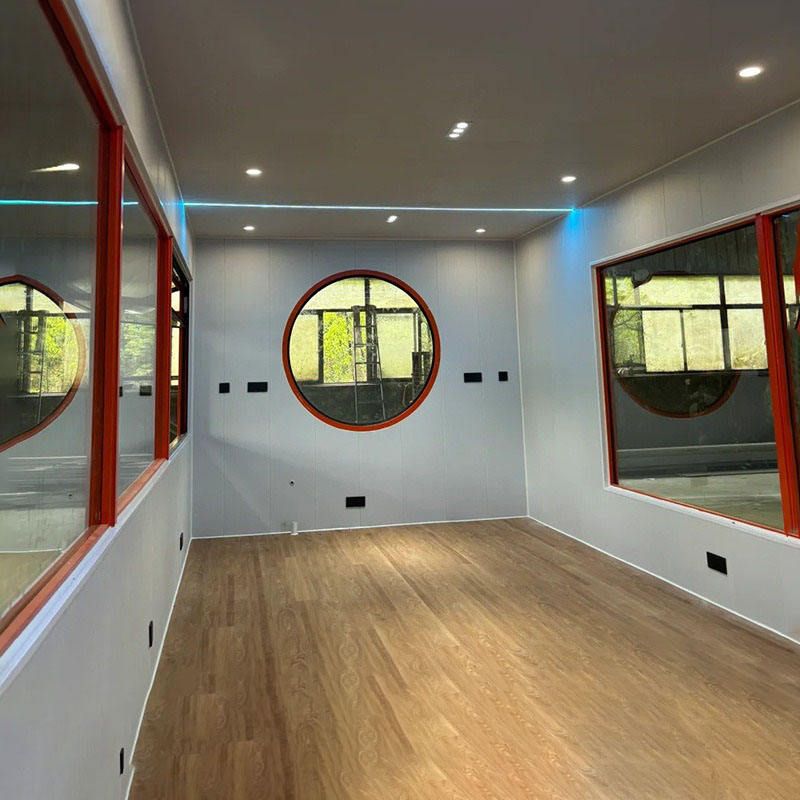
I. Pre-installation Preparation
- Site Planning
- Select a location that avoids low-lying areas prone to water accumulation, high-voltage lines, obstacles, and main construction roads, ensuring a flat and solid ground. For construction site scenarios, maintain a distance of at least 1.5 meters from the edge of the foundation pit to prevent stability issues due to construction vibrations.
- Measure the site dimensions and reserve an entrance and exit passage width of at least 1.2 meters to ensure sufficient operating space.
- Material and Tool Preparation
- Check equipment integrity: Verify the toilet model, quantity, and accessories (such as sinks, flushing devices, sewage pipes, door locks, etc.) to ensure no damage or missing parts.
- Foundation treatment: Lay gravel or concrete foundations according to the toilet type (single or connected units). The load-bearing capacity for single-person toilets should be at least 200 kg/㎡.
- Tool preparation: Prepare wrenches, screwdrivers, spirit levels, sealing tapes, expansion bolts, etc. For large equipment, coordinate with cranes or forklifts for assistance in handling.
II. On-site Installation Steps
- Main Body Fixation
- Use a crane or forklift to lift the toilet main body to the designated location and adjust its levelness using a spirit level, with a deviation not exceeding 3 mm.
- Secure the equipment with expansion bolts or counterweights. In areas with strong winds, install anti-tipping brackets or ground anchors.
- Drainage System Connection
- Connect the sewage pipe to the sewer, sewage collection tank, or temporary collection pit. Seal the joints with sealing tape or cement to prevent leakage.
- Ensure the pipe slope is at least 2%. For construction site scenarios, it is recommended to install an anti-backflow valve to prevent sewage backflow.
- Water and Electricity Debugging
- Connect to the water source (it is recommended to use a water pipe with a diameter of at least DN20 or a dedicated water tank) and test the flushing function and drainage tightness to avoid water accumulation.
- For construction site scenarios, check the electrical safety to ensure the circuit is well insulated and kept away from flammable and explosive materials.
- Detail Inspection and Cleaning
- Install accessories such as door curtains, anti-slip mats, and toilet paper holders, and check the flexibility of the door lock and flushing button.
- Clean and disinfect the interior and place air fresheners and consumables (such as toilet paper and hand soap).
III. Post-installation Acceptance and Delivery
- Function Testing
- Flushing test: Press the flushing button three times continuously to confirm smooth drainage without blockage.
- Load-bearing test: Evenly step on the top of the equipment to check its structural stability, ensuring no abnormal noises or deformations.
- Document Confirmation
- Provide the customer with an Equipment Installation Acceptance Form, indicating the installation date, warranty period, and usage instructions (such as water-saving mode operation and emergency contact information).
IV. Precautions and Safety Regulations
- Safety Requirements
- Wear a safety harness when working at heights and prohibit installation or debugging of equipment in windy conditions of at least force 5.
- Set up warning signs in the construction area. For night construction, equip with lighting and reflective strips to prevent personnel from entering accidentally.
- Maintenance Recommendations
- Daily cleaning: Arrange for dedicated personnel to clean daily, replenish consumables, and regularly disinfect (it is recommended to use chlorine-containing disinfectants).
- Regular maintenance: Inspect the circuit, valves, and flushing system monthly, promptly replace aging parts, and have professional personnel handle fault repairs.
Supplementary Information for Special Scenarios: Mobile toilets at construction sites should be kept away from pollution sources, and the foundation load-bearing capacity should meet construction requirements. For large-scale event toilets, it is recommended to complete the installation planning 72 hours in advance and carry spare parts (such as flushing valves and sealing rings) to cope with emergencies.



