
Quay lại blog
Bài viết
Mobile Toilet Installation and Commissioning Plan
Quản trị 02 tháng 10, 2026
The installation and commissioning plan for mobile toilets should be implemented step by step according to the type (mobile restrooms, smart toilets), as detailed below:
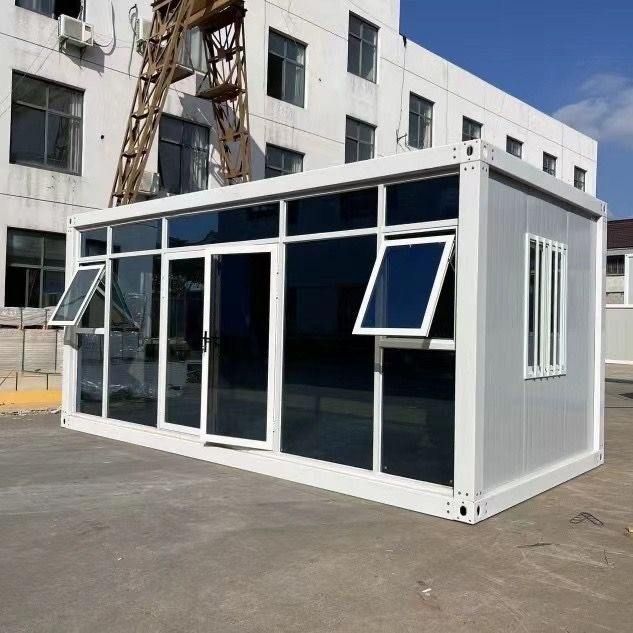
I. Mobile Restroom Installation and Commissioning Plan
Preliminary Preparation and Planning
- Site Survey: Evaluate the terrain, ground bearing capacity, flatness, and drainage slope. Identify the locations of obstacles, underground pipelines (water, electricity, gas), and overhead cables.
- Water and Electricity Access: Determine the water source connection (pipe diameter, water pressure), power supply connection (voltage, capacity), and sewage discharge path. For models without water supply and drainage, plan for sewage storage and removal.
- Layout Design: Determine the model and quantity based on foot traffic and usage duration. Plan the ratio of male to female restrooms, accessible facilities, aisle width, and ventilation and lighting appropriately.
- Foundation Treatment: Design a concrete foundation, sleeper foundation, or steel frame based on ground conditions to ensure stable bearing.
Core Installation Process
- Site Clearance: Remove debris and vegetation, and level the site.
- Foundation Construction: Pour the concrete foundation or lay sleepers/steel as per the drawings, ensuring a flat and level surface.
- Unit Positioning: Use lifting equipment (crane, forklift) to hoist the main body to the designated location and adjust its levelness.
- Pipeline Connection: Connect the water supply, drainage, sewage pipes, and cables, ensuring a short, concealed, and safe route.
Commissioning and Acceptance
- Function Testing: Check the flushing system, electrical circuits, door locks, sewage outlets, and other details to ensure normal operation.
- Stability Inspection: Confirm there is no shaking and that sealing materials (such as Teflon tape, sealant) are leak-free.
- Emergency Measures: Set up clear signage and keep away from fire sources. In extreme weather, secure or relocate the unit as necessary.
II. Smart Toilet Installation and Commissioning Plan
Pre-installation Planning
- Water and Electricity Points: Reserve the power outlet and water inlet angle valve on the side or above the toilet, at least 20 cm away from the center of the sewage outlet, avoiding placement directly behind it.
- Pit Distance Measurement: Measure from the wall to the center of the sewage outlet after tiling. Choose a 300 mm pit distance for 300-340 mm, 350 mm for 350-390 mm, and 400 mm for distances over 400 mm.
- Reserved Space: Reserve at least 15 cm of maintenance space around the toilet.
Installation Process
- Auxiliary Material Selection: Use a thickened flange ring (thickness ≥ 10 mm), neutral weather-resistant anti-mold glass glue, and PVC extension pipes (no more than three sections).
- Sealing Treatment: Apply two layers of glue to the joint between the toilet base and the floor, and use a flange ring and glass glue for double sealing at the pipe opening.
- Stability Testing: After installation, press down on both sides of the seat ring and shake to confirm there is no looseness.
Commissioning and Acceptance
- Water Circuit Inspection: Open the water inlet angle valve to check for leaks at the connections and observe whether the water tank refills normally after flushing.
- Electrical Safety: Confirm that the power outlet is grounded, has leakage protection, and that the power cord is not pinched.
- Function Testing: Include cleaning function (nozzle position, water flow intensity, and self-cleaning), seat heating (multi-level temperature control), drying and deodorization (warm air temperature around 40°C), and sensing system (lid opening sensitivity).
III. General Precautions
Prioritize selecting reputable suppliers and confirm their qualifications and after-sales service capabilities. Conduct on-site surveys and design layout plans before leasing. Regularly clean, replace deodorizers, and check consumables in daily use. In case of malfunctions or service issues, promptly contact the supplier for resolution and retain contracts and communication records.



