
Mobile Toilet in Garage
Placing a mobile toilet in a garage is a feasible solution, especially suitable for environments with enclosed spaces and a lack of preset sewage discharge interfaces. Detailed analysis is as follows:
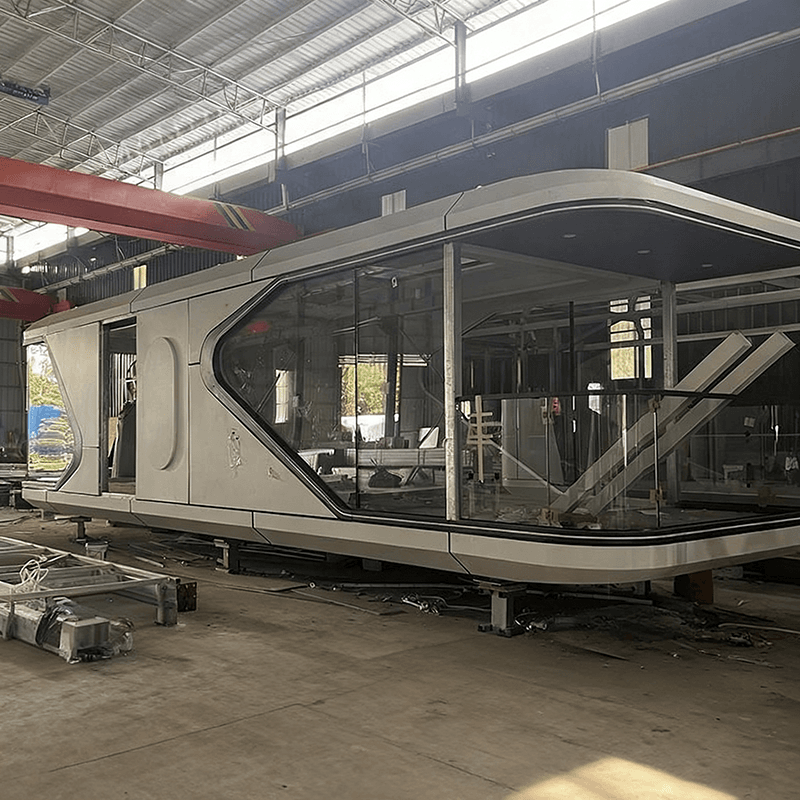
I. Applicable Scenarios and Core Needs
Mobile toilets can solve the toilet problems in places like garages, avoiding burdening the existing pipe network. For example, practices in Beijing's underground garages show that rental services effectively suppress odor diffusion and adapt to the air circulation systems in enclosed spaces through modular design, closed sewage storage capabilities, and negative pressure/chemical treatment technologies. Their core advantages lie in flexibility and independence, meeting basic needs without relying on the original facilities of the site.
II. Technical Adaptability Requirements
- Physical Constraints: The size of the equipment must conform to the vertical height of the garage entrance and the turning radius of the internal passageways. Conventional large van-type toilets may not be able to enter due to low entrances or narrow bends, necessitating the selection of modular units or detachable structures.
- Structural Safety: It is necessary to evaluate the ground bearing capacity to ensure that the concentrated placement points of the equipment comply with the load standards of the underground garage floor, avoiding structural damage due to overweight.
- Electricity and Lighting: Some equipment requires connection to temporary circuits to drive ventilation and lighting systems. Rental plans usually include low-voltage circuits or built-in battery designs to adapt to scenarios without fixed power sources.
III. Type and Function Selection
- Structural Forms: Single-unit mobile toilets are suitable for garage areas with dispersed pedestrian traffic; combined units can form multiple toilet stalls through modular assembly and are equipped with facilities such as handwashing stations to meet higher-frequency usage needs.
- Sewage Treatment Methods: Waterless flushing suction-type and dry packing-type mobile toilets can operate independently of the existing pipe network on the site, avoiding the complexity of laying pipes, and are suitable for long-term or temporary use.
- Special Needs: For the elderly with mobility impairments, mobile toilets with folding chair functions, deodorizing boxes, and sealed buckets can be selected to enhance usage comfort.
IV. Space Optimization and Long-Term Solutions
- Temporary Layout: Use partition curtains or lightweight panels to build a simple private corner, place a mobile toilet, and install an exhaust fan to ensure ventilation, which is cost-effective and highly flexible.
- Long-Term Use: If conditions permit, formal toilet facilities can be installed, but professional plumbers and electricians are required to solve the problems of water supply, drainage, and sewage discharge. Pipes need to be laid to connect to septic tanks or municipal sewage pipes, and ground waterproofing should be done properly.
V. Corporate Service Support
Mobile toilet companies provide complete services from product development to after-sales maintenance. They can customize the size, layout, door and window positions, and internal circuit configurations according to the actual site of the garage. The production cycle is generally 7 to 15 days, meeting the needs of rapid deployment.



