
Mobile Toilet Implementation Plan
The mobile toilet implementation plan needs to be combined with specific scenarios and requirements, covering design, construction, operation, and other aspects. The following provides systematic plan references from different scenarios:
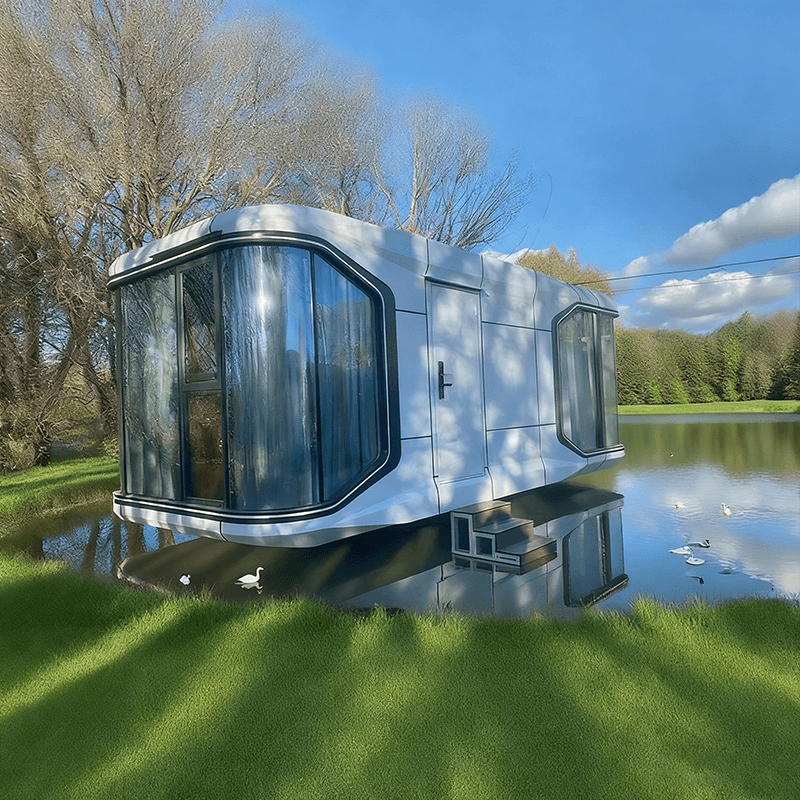
I. Mobile Toilet Service Plan for Street Vending Economy Given the high mobility and dense crowds in the street vending economy, a "smart + human-oriented" service system needs to be established.
- Demand-Oriented Design: Through surveys, clarify the toilet needs at different times (such as high temperatures in summer and peak periods during festivals). Configure toilet stalls in a male-to-female ratio of 1:1.5 and add barrier-free facilities and母婴室 (nursing rooms).
- Technology Integration and Innovation: Use biodegradation technology to treat excrement and reduce sewage discharge. Pilot new biodegradable materials to improve sewage treatment efficiency by 40% and reduce operation and maintenance costs by 25%. Integrate a smart monitoring system to display the usage status of toilet stalls and air quality in real time and guide the diversion of people.
- Dynamic Layout Management: Based on the pedestrian traffic data in the street vending area, dynamically adjust the positions of toilets through a mobile terminal app to ensure a coverage rate of over 90% during peak periods. Install mobile air coolers in summer to enhance user comfort.
II. Construction Plan for Mobile Toilets in Outdoor Activities Suitable for temporary scenarios such as scenic spots and exhibitions, it needs to balance efficiency and environmental protection.
- Standardized Construction Process:
- Foundation Construction: After clearing the site, use prefabricated concrete foundation piles to shorten the construction period to 3-5 days.
- Main Body Installation: Use a modular design and connect the main structure with bolts to reduce welding operations.
- Water and Electricity Commissioning: Use solar power systems and rainwater harvesting devices to reduce energy consumption and water resource consumption.
- Quality Control Points:
- Select environmentally friendly building materials that meet national standards, such as biodegradable plastics and anti-corrosion wood.
- Strictly implement the "Technical Specifications for Mobile Toilets" during the construction process, with a focus on checking the sealing of the waterproof layer and ventilation system.
III. Project Plan for Long-Term Operation of Mobile Toilets Suitable for fixed places such as stations and docks, it needs to consider economic efficiency and sustainability.
- Investment and Benefit Analysis: Taking a project with an annual production of xx sets as an example, the total investment is 20.7622 million yuan, the annual profit after reaching full production is 3.8611 million yuan, and the investment payback period is 6.88 years. Costs can be reduced through large-scale production.
- Market Expansion Strategy: Seize the opportunities in the construction of small and medium-sized cities and promote water-saving (saving more than 80% of water resources) and movable products in response to environmental protection policy requirements to avoid waste from demolition.
- Innovative Operation and Maintenance Model: Adopt a "government purchase of services + enterprise operation" model, where a professional team is responsible for regular maintenance and replacement of consumables to ensure a facility availability rate of over 95%.



