
Mobile Toilet for Urination and Defecation
Mobile toilets can meet the needs of the public for urination and defecation, with diverse designs and flexible disposal methods to adapt to different scenarios and user groups.
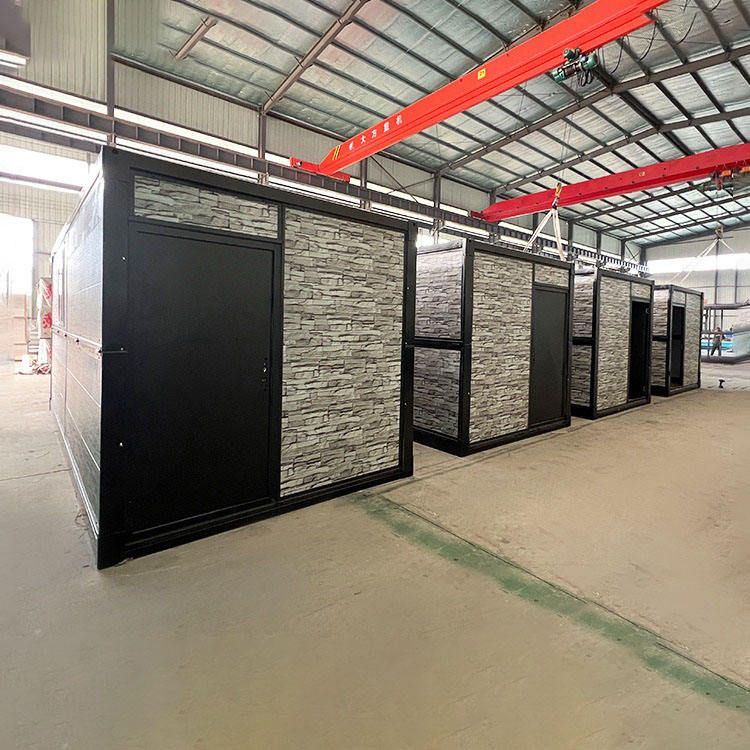
As facilities providing toilet services for the public and customers, mobile toilets are designed with full consideration of usage needs in various scenarios, especially offering diverse configurations for urination and defecation functions. Some mobile toilets adopt a design combining multiple squatting positions with urinals. For example, some products offer a four-squatting-position layout with additional urinals. This design meets the needs of multiple people using the toilet simultaneously and improves usage efficiency by separating urination and defecation areas, making it particularly suitable for public places with high foot traffic, such as scenic spots and temporary event venues.
In terms of excreta disposal technology, mobile toilets are classified into several types based on usage scenarios and environmental requirements. Flush-type mobile toilets achieve flushing and cleaning through water tanks or external water sources, operating similarly to fixed toilets but requiring regular water replenishment and sewage treatment, suitable for areas with water supply. Waterless suction-type mobile toilets use vacuum pumps or negative pressure systems to suction excreta into storage tanks without water, suitable for water-scarce areas or scenarios with high environmental requirements. Recirculating flush-type mobile toilets purify sewage through filtration and disinfection technologies for reuse, saving water resources and reducing pollution. Dry-packing-type mobile toilets use biodegradable materials to directly pack excreta without flushing, which can be treated as organic fertilizer afterward, suitable for ecologically sensitive areas or temporary events.
For the needs of special user groups, mobile toilets offer more flexible functional designs. Mobile commodes, as portable toilet appliances, are usually equipped with independent inner buckets for easy removal and cleaning. Some products can convert squatting toilets into sitting toilets by removing the buckets, meeting the usage needs of individuals with mobility issues or the elderly. This design not only enhances usage comfort but also reflects care for vulnerable groups.
In summary, mobile toilets effectively address the toilet needs of the public in various scenarios through diverse functional configurations and technological approaches, while also considering environmental protection and humanized design.



