
Mobile Toilet for the Disabled
Mobile toilets (such as mobile commodes) are effective tools for assisting elderly individuals who are unable to care for themselves. However, it is essential to select appropriate equipment based on the elderly person's physical condition, master caregiving techniques, and pay attention to environmental modifications and handling of abnormal situations.
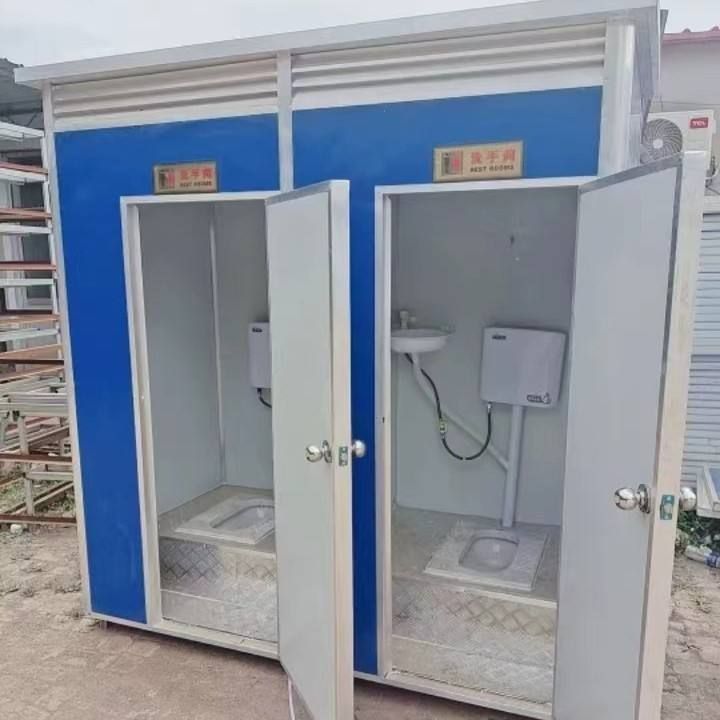
1. Equipment Selection Should Match the Elderly Person's Physical Condition
- Basic Functional Requirements: Mobile commodes should have stability (a wide chassis and anti-slip design), an appropriate height (the seat height should match the bedside to prevent difficulty in sitting up), ease of cleaning (smooth, seamless surfaces), and odor control features (sealed lids or activated carbon filters).
- Special Scenario Adaptation: If the elderly person is completely bedridden, a flat bedpan (thickness ≤ 5 cm) or adult diapers should be used, along with nursing pads (preferably breathable and waterproof) to prevent skin infections caused by prolonged contact with excreta. If the elderly person has cognitive impairments, a mobile commode with handrails can be chosen to assist in maintaining balance.
2. Caregiving Operations Should Focus on Safety and Hygiene
- Posture Protection: When assisting the elderly person in using a mobile commode, use a transfer belt or rely on bedrails to help them sit up, avoiding forceful dragging that could cause skin abrasions. If the elderly person cannot sit up independently, place a cushion behind them for support.
- Cleaning Standards: After defecation, clean the perianal area with warm water. In case of incontinence, clean up within 1 hour and apply diaper rash cream to prevent diaper rash. The mobile commode should be disinfected daily (using a chlorine-containing disinfectant for wiping), and the inner bucket should be rinsed after emptying excreta.
3. Environmental Modifications Can Reduce Risks
- Lighting and Markings: Keep a soft nightlight on at night (brightness ≤ 10 lux) to avoid strong light stimulating the elderly person's sleep. Place reflective strips or use conspicuous colors (such as red) to mark the location around the mobile commode.
- Mobility Convenience: Smooth wheels with brakes can be installed at the bottom of the mobile commode to facilitate pushing it to the bathroom for unified disposal, reducing the burden of carrying. If space allows, lay anti-slip mats between the elderly person's bedroom and the bathroom.
4. Special Situations Require Targeted Handling
- Completely Bedridden Elderly: When using a detachable bedpan, assist the elderly person in lying on their side and support their buttocks with a pillow to keep the bedpan in close contact with the body. If the elderly person cannot cooperate, regularly inquire about their defecation needs and observe their expressions (such as frowning or wriggling).
- Elderly with Cognitive Impairments: Fix the toilet route (such as the straight-line distance from the bed to the commode) and guide them using pictures or simple instructions (such as "go to the red chair"). If the elderly person resists using it, try placing familiar items (such as dolls) beside the commode to increase their sense of security.
Precautions: If the elderly person experiences persistent constipation (no defecation for more than 3 days), urinary retention (a distended bladder area and inability to urinate), or abnormal excreta (such as bloody stools, black stools, or pus), seek medical attention immediately. For long-term care, it is recommended to combine rehabilitation training (such as pelvic floor muscle exercises) to gradually restore some self-care abilities.



