
Mobile Toilet Feces Collection
There are various methods for collecting feces in mobile toilets, including water-flush and non-water-flush suction types, circulating water-flush types, dry packing types, foam sealing types, and biodegradable types. The key to the collection stage is safety and sealing.
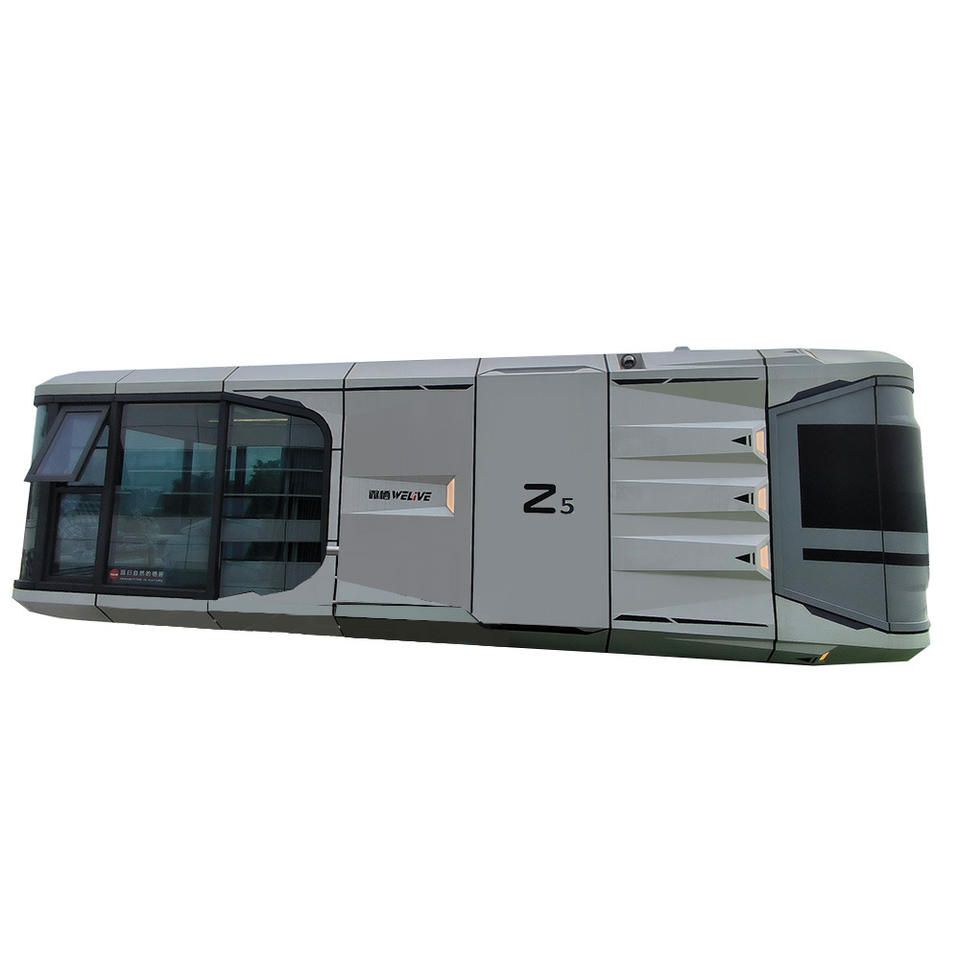
Water-flush and Non-water-flush Suction Types: Water-flush mobile toilets use a water-flush device to flush feces into a bottom sewage tank, while non-water-flush types directly receive excreta in the bottom sewage tank. Both methods require regular suction of the sewage tank to prevent overflow. The sewage tank is typically made of high-strength fiberglass or polyethylene, featuring corrosion resistance and leak-proof properties, and is equipped with well-sealed delivery and suction ports to ensure the safety and hygiene of the feces collection process.
Circulating Water-flush Type: This type of mobile toilet utilizes aerobic or anaerobic biofilm technology to ferment and decompose fecal sewage, followed by filtering the treated water for reuse in flushing. This approach not only reduces water consumption but also decreases the frequency of sewage tank suction, enhancing operational efficiency.
Dry Packing Type: Dry packing mobile toilets use biodegradable plastic bags to collect excreta, automatically replacing the bag after each use. This method avoids direct contact between feces and the sewage tank, reducing odor and pollution risks. The collected plastic bags can be transported to a treatment plant for disposal, achieving harmless treatment of feces.
Foam Sealing Type: Foam sealing mobile toilets use compressed air to generate foam from a foaming agent, covering the inside of the toilet bowl to replace the water-flush function. Treated urine can be used as reclaimed water, further conserving water resources. This method maintains toilet cleanliness while reducing the load on the sewage tank.
Biodegradable Type: Biodegradable mobile toilets are equipped with professional biodegradable bacteria that can decompose feces into carbon dioxide and water, with no leakage throughout the process and no need for frequent emptying. This method is not only environmentally friendly and efficient but also reduces maintenance costs, making it suitable for long-term use scenarios.



