
Feasibility Study on Mobile Toilets
The feasibility study on mobile toilets can be conducted from the perspectives of technology, economy, environmental and social impacts. Mobile toilets offer advantages such as flexible deployment, environmental protection and energy conservation, and cost control, making them suitable for public places and emergency scenarios.
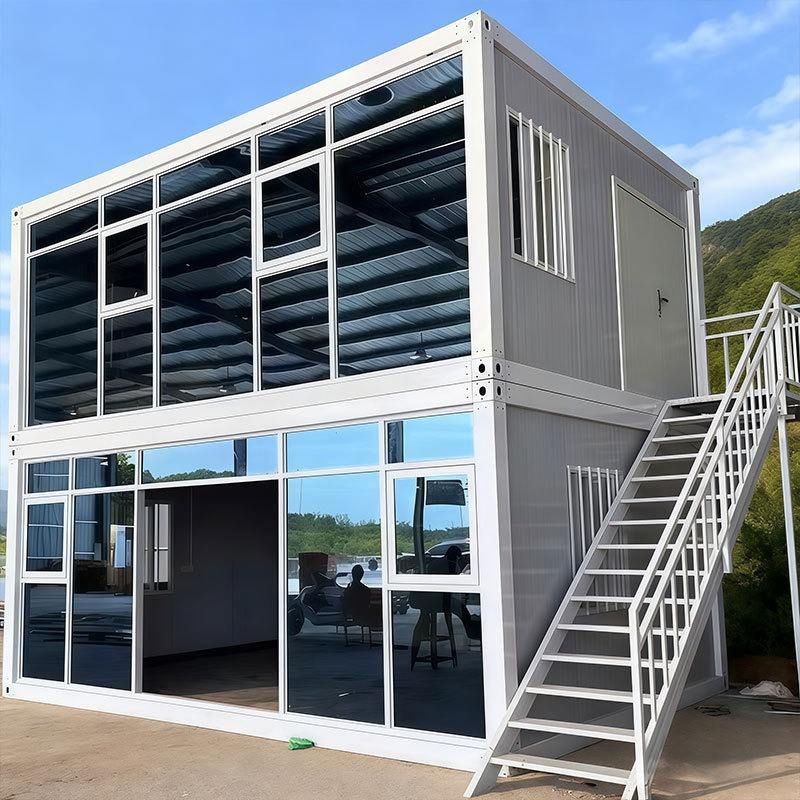
1. Technical Feasibility
Mobile toilets adopt a modular design, with the main structure primarily composed of lightweight and durable materials such as fiberglass-reinforced plastic and polyethylene. They support combinations of single or composite structures and can be rapidly moved through lifting, handling, or powered towing. In terms of functional integration, they are equipped with negative pressure ventilation systems to maintain air hygiene, automatic induction lighting to reduce energy consumption, and water-saving flushing devices that consume only one-tenth of the water used by traditional devices per flush. For water-scarce areas, waterless or micro-water treatment technologies (such as membrane separation and urease catalysis) enable on-site treatment of excreta, reducing dependence on water resources. Sewage treatment technologies include biological degradation (bacterial communities breaking down organic matter), chemical treatment (stabilizing materials with curing agents), and physical separation (vacuum collection for resource utilization). Closed-loop material flow management effectively reduces pollution risks.
2. Economic Feasibility
The initial investment covers equipment procurement, transportation, and installation costs, but the long-term operating costs are lower than those of fixed public toilets. Water-saving technologies reduce water expenses, and the coupling of solar photovoltaic panels with energy storage batteries reduces electricity costs. Revenue sources include fee-based services in high-traffic scenarios (such as tourist attractions and large-scale events) or government purchases of public services (such as municipal engineering support). Environmental benefits can also qualify for green building subsidies or tax incentives.
3. Environmental and Social Impacts
Positive Impacts: They reduce the demand for concrete and steel in traditional public toilets, lowering land occupation and sewage pipeline network loads. On-site treatment of excreta avoids secondary pollution during transportation. Negative Impacts: Fuel consumption during transportation, potential pollution risks from chemical treatment agents, and material recycling issues after equipment retirement need to be optimized through life-cycle assessments. Social Benefits: They improve hygiene levels in public places, especially in emergency scenarios (such as temporary shelters after natural disasters).
4. Implementation Recommendations
Site selection should prioritize areas with insufficient fixed public toilets, choosing single or composite structures based on pedestrian traffic. Technology selection should match usage scenarios (e.g., biological degradation type recommended for tourist attractions, waterless type recommended for water-scarce areas). Operation and maintenance management should establish regular cleaning, equipment maintenance, and excreta treatment procedures to ensure continuous service capabilities. At the policy level, reference can be made to the framework of the "Feasibility Study Report on Vehicle-mounted Mobile Toilet Projects", adhering to design principles of mobility, cost-effectiveness, environmental protection, and efficiency enhancement.



