
Mobile Toilet Extraction
Mobile toilet extraction refers to facilities that can be moved as a whole and provide public restroom services, featuring mobility, modularity, and ease of transportation.
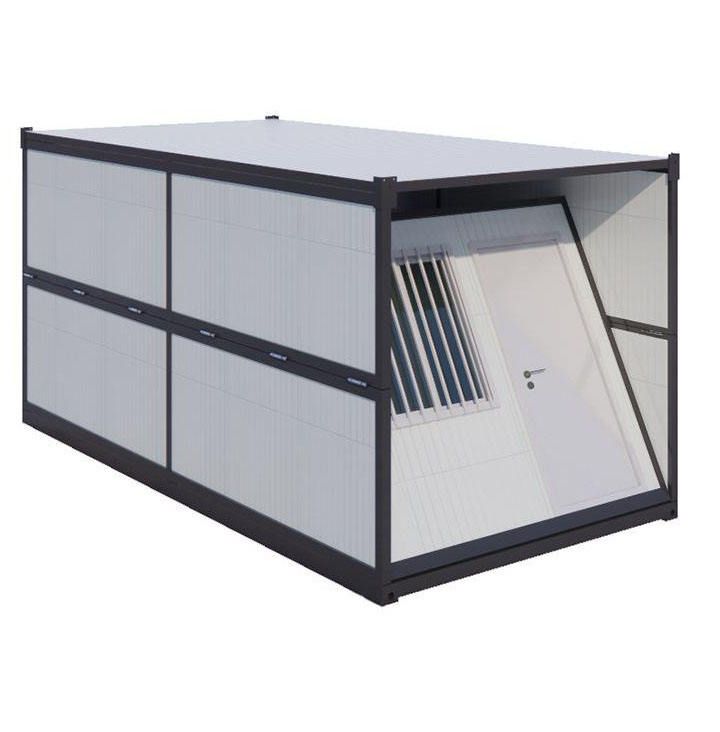
I. Basic Components Mobile toilets typically consist of core components such as fecal sewage storage tanks (or disposal units), floor slabs, sanitary fixtures, walls, washing equipment, water tanks, roofs, and mobility devices. Among these, the fecal treatment system is crucial. Water-flush toilets rely on storage tanks or circulating water devices, while non-water-flush toilets adopt dry packing technology to ensure environmental protection and hygiene. The materials for walls and roofs need to balance durability and lightness, with common options including fiberglass, color-coated steel, stainless steel, and anti-corrosion wood, meeting both structural strength requirements and facilitating transportation and installation.
II. Classification Methods
- By structural form: They are divided into single-unit structures (independent units) and composite structures (modular combinations), with the latter able to meet different scale requirements through splicing.
- By mobility method: They include lifting and handling types (requiring lifting equipment), powered towing types (with built-in power or towable), and manual handling types (small and lightweight designs).
- By sewage treatment: Water-flush toilets rely on municipal sewage networks or storage tanks; non-water-flush suction types use vacuum pumps to treat feces; circulating water-flush types utilize biodegradation technology to purify water resources; dry packing types directly collect waste using degradable bags without water usage.
III. Core Advantages
- Flexible deployment: They can be quickly transported to temporary or fixed locations such as train stations, docks, and tourist attractions, adapting to sudden demands (e.g., large-scale events, disaster relief).
- Reusability: Modular design supports multiple disassemblies and assemblies, reducing long-term costs, especially suitable for periodic scenarios like construction sites and exhibitions.
- Environmental protection and energy efficiency: Dry packing and circulating water-flush technologies reduce water consumption, complying with green building standards.
IV. Typical Application Scenarios They are suitable for densely populated public places (e.g., squares, commercial streets), areas with inadequate infrastructure (e.g., newly built residential areas, villa districts), and temporary event venues (e.g., music festivals, sports events). Their material diversity (e.g., aluminum-plastic panels for corrosion resistance, foam panels for insulation) further expands their usage environments, making them adaptable from hot deserts to cold polar regions.



