
Mobile Toilet Embarrassment Scene
It is true that the transparent windows of mobile toilets expose the actions of users, causing embarrassment both inside and outside. Such designs have obvious flaws.
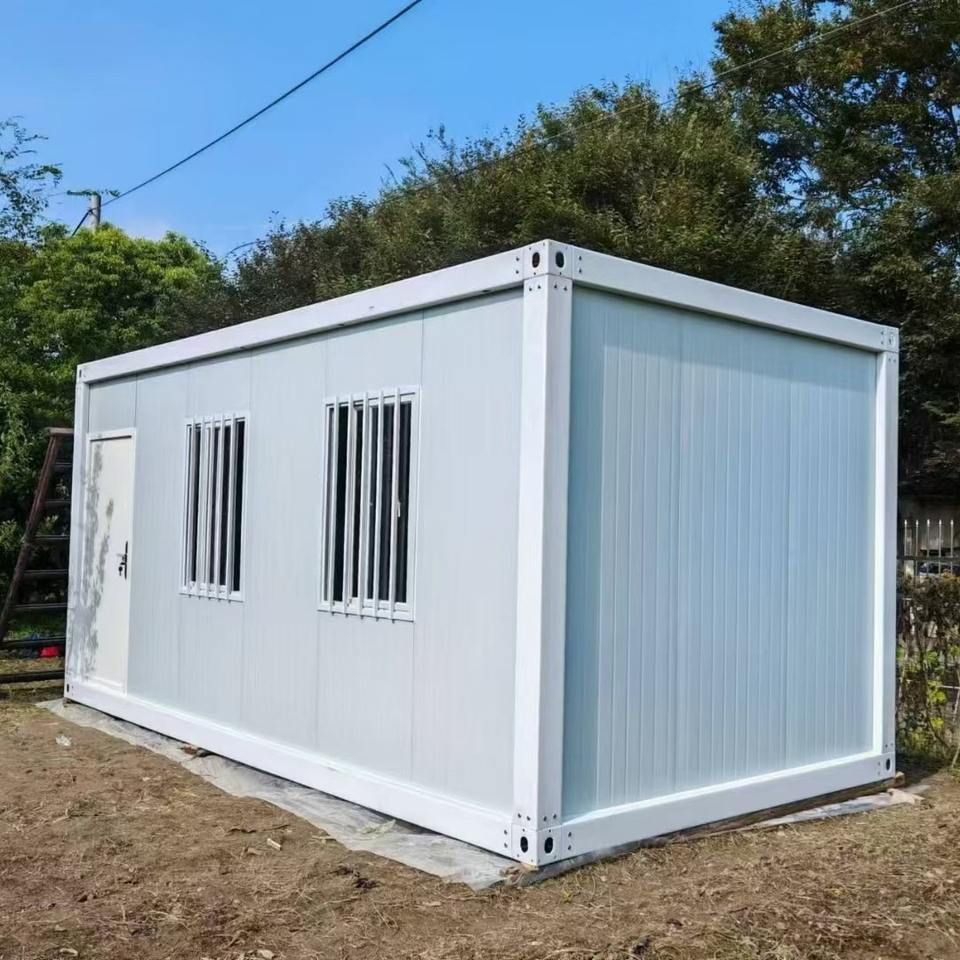
Details of the Incident
On February 5th, in Henan, a woman captured an embarrassing scene where citizens using a mobile toilet were essentially being 'live-streamed'. The upper part of this mobile toilet had transparent windows without any coverings, allowing people outside to clearly see actions such as users pulling up their pants and adjusting their clothes. Moreover, there were many people waiting outside the toilet at that time, putting both the users and passersby in a very awkward situation.
Analysis of the Problems
- Lack of Privacy Protection: Toilets are private spaces, and one of their core functions is to safeguard the privacy of users. However, mobile toilets with transparent windows and no coverings completely fail to meet this basic requirement. The various actions of users during the toilet-using process are exposed to passersby, seriously infringing on personal privacy and causing great psychological pressure and discomfort to users.
- Unreasonable Design: From a design perspective, the design of mobile toilets should fully consider usage scenarios and user needs. The intention of setting up mobile toilets in public places is to facilitate citizens in solving their toilet needs. However, the design of transparent windows without coverings clearly does not take into account privacy issues in actual use, representing a major design flaw.
- Negative Social Impact: Such incidents not only embarrass the parties involved but also have a negative impact on society. Passersby who witness citizens using the toilet may attract unnecessary attention and discussion, undermining the civilized atmosphere in public places. At the same time, this also reflects the lack of strict review and supervision by relevant management departments during the procurement and placement of mobile toilets, failing to fully evaluate the design rationality of the toilets.
Suggestions for Solutions
For mobile toilets of this type that have already been placed in use, measures should be taken promptly for rectification, such as installing curtains or applying frosted films on the transparent windows to protect the privacy of citizens. Meanwhile, relevant departments should strengthen the review of design rationality during the future procurement and placement of mobile toilets to avoid the recurrence of similar problems.



