
Mobile Toilet Design
Mobile toilet design requires comprehensive consideration of various factors such as composition structure, materials, structural form, mobility method, and sewage treatment method, adhering to principles of mobility convenience, environmental protection, and durability.
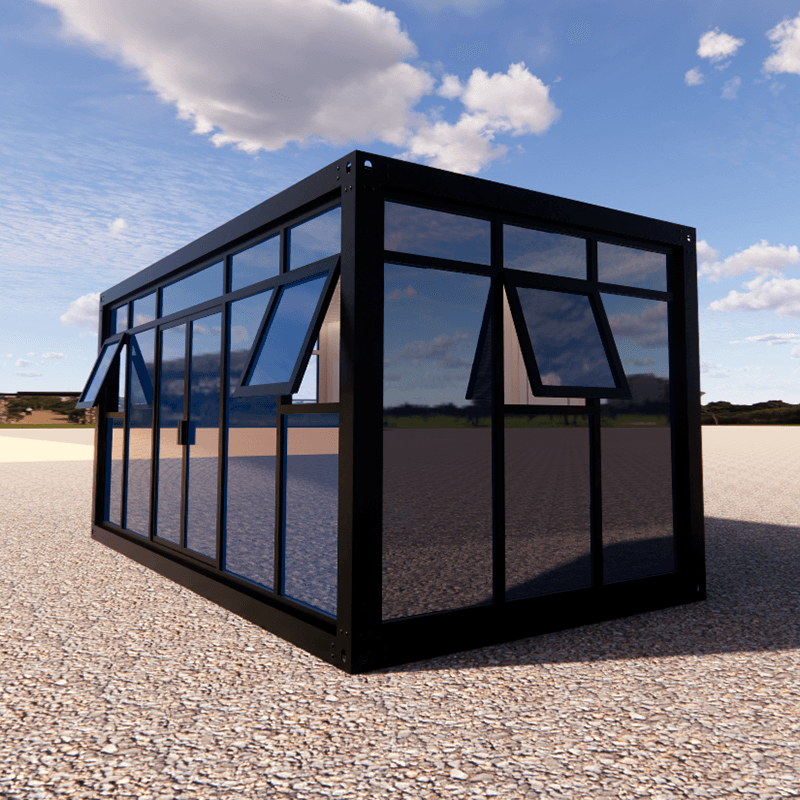
From the perspective of composition structure, mobile toilets generally include fecal sewage storage tanks (or disposal units), floor slabs, sanitary ware, walls, washing equipment, water tanks, roofs, and mobility devices. These components work together to achieve the basic functions of the toilet.
In terms of material selection, early mobile toilets often used wood, but this had issues such as simple structural function and easy absorption of odors. Nowadays, materials like fiberglass and polyethylene have become mainstream, offering better performance to meet the usage requirements of mobile toilets.
Structural forms are divided into single-unit and composite structures. Single-unit structures are relatively simple and suitable for places with small space requirements and single usage scenarios; composite structures are more complex and can meet diverse functional needs, such as setting up multiple squatting positions and a management room simultaneously.
Mobility methods include lifting and handling types, as well as powered and towed types. Lifting and handling mobile toilets are suitable for short-distance and small-scale movements; powered and towed mobile toilets have stronger mobility and can move flexibly over a larger range.
Sewage treatment methods are diverse, including water flush and waterless flush suction types, circulating water flush types, and dry packing types. Water flush and waterless flush suction types can promptly clean fecal sewage; circulating water flush types can save water resources; dry packing types do not require water and are suitable for water-scarce areas.
In terms of design principles, it is necessary to adhere to mobility convenience, economic durability, environmental protection and ecology, environmental friendliness, efficiency improvement, and humanitarian promotion. The overall structure should be lightweight, using lightweight and durable materials while being sturdy and reliable. The height and width of the toilet should also be reasonably controlled, and the mobility device should be complete and reasonable.
Additionally, there are some specific design cases and creative designs for reference, such as designs with four squatting positions and a management room, designs combining squatting pits and shower rooms, and the use of water storage tanks to make movable toilets, providing more ideas for mobile toilet design.



