
Mobile Toilet Corner Strip Installation
The installation of corner strips for mobile toilets needs to be combined with the equipment material and design requirements. Currently, there is no direct standard solution, but general methods for similar corner treatments in bathroom renovations can be referred to, as detailed below:
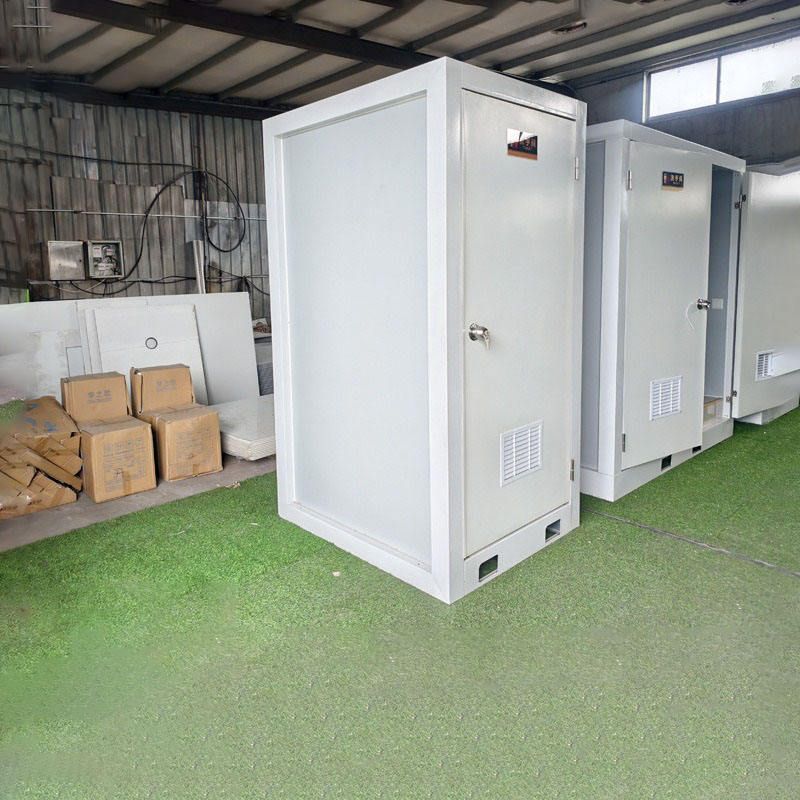
I. Common Corner Treatment Methods and Applicable Scenarios
Haitang Corner Edge Finishing Method
This method is suitable for corners made of tiles or stone materials. The edges of two adjacent materials are ground into 45° internal bevel angles and then joined to form a right-angle transition. This method offers high aesthetic appeal but requires strict craftsmanship, with precise control over cutting angles and joint gaps to avoid chipping or uneven gaps. If the mobile toilet uses tiled walls or floors and has high aesthetic requirements, this method can be given priority consideration.Stainless Steel Edge Trim Strips
Finished metal edge trim strips (usually 2-5 cm in height) are used and fixed at the corners with adhesive or clips. This method is simple to construct, cost-effective, and the metal material is highly corrosion-resistant, making it suitable for the humid environment of mobile toilets. If the equipment material is metal or plastic, edge trim strips matching the main body color can be directly selected to enhance overall coordination.Tile-on-Tile Jointing Method
Two tiles are directly overlapped and joined, with the corner gap filled with grout. This method is easy to operate, but the aesthetic appeal depends on the color match between the grout and the tiles, and the grout may fall off after long-term use. It is suitable for temporary mobile toilets with limited budgets or low aesthetic requirements.
II. Installation Precautions
Material Compatibility
The material of the corner strip must be compatible with the main material of the mobile toilet. For example, stainless steel or aluminum alloy edge trim strips are recommended for metal equipment, while PVC corner strips can be chosen for plastic equipment to avoid cracking or detachment due to thermal expansion and contraction.Waterproofing
If the corner involves a waterway (such as a shower area), waterproof coating should be applied before installation, and the joints between the edge trim strip and the material should be sealed with adhesive to prevent water infiltration and equipment damage.Professional Guidance
Due to the special structure and purpose of mobile toilets, it is recommended to contact the equipment supplier or a professional installation team first to obtain installation drawings or video guidance specific to the model, ensuring that the fixing method of the corner strip (such as screw fixing or adhesive bonding) complies with the equipment design requirements.
III. Alternative Solution Suggestions
If the installation of corner strips is difficult, consider avoiding corner treatment by optimizing the design. For example, adopting an arc-shaped corner design or integrated molding materials can reduce joint gaps, lower the risk of water leakage, and simplify the construction process.



