
How to Build a Mobile Toilet
There are mainly two methods for constructing mobile toilets: factory-prefabricated installation on-site and handmade construction using materials such as water storage tanks.
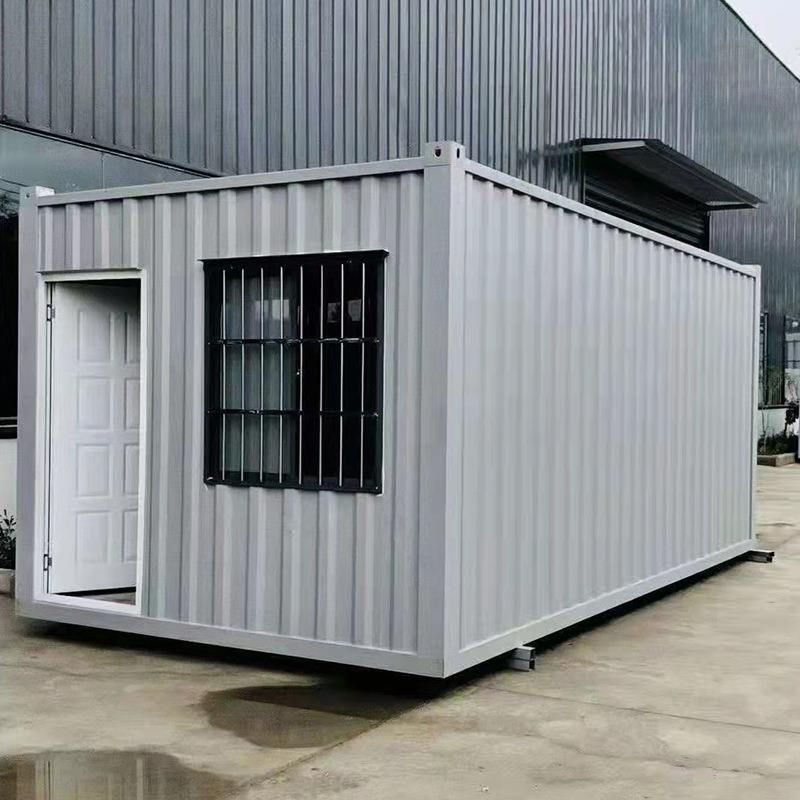
Factory-Prefabricated Installation On-Site
This is a more common and professional construction method. Mobile toilets are typically prefabricated in factories and can be put into use immediately after on-site installation. During construction, a frame structure is first formed by welding steel materials. The bottom is usually welded with channel steel or I-beams, while square steel is used for the columns. This design ensures the stability and strength of the entire structure. After the frame is erected, wall materials are installed on the wall foundation. Common wall materials include color steel plates, fiberglass, stainless steel, and metal carved plates. Color steel plates are lightweight and offer good thermal insulation; fiberglass is corrosion-resistant and has high strength; stainless steel is aesthetically pleasing and durable; metal carved plates are not only attractive but also provide some thermal insulation and soundproofing effects. The frame structure is designed to meet lifting requirements, facilitating easy movement and transportation. Mobile toilets can be lifted and installed at suitable locations according to different usage scenarios and needs.
Handmade Construction Using Water Storage Tanks and Other Materials
This method is relatively flexible and simple, suitable for individuals or small-scale production. For example, some people use water storage tanks to make portable toilets, with one person making a portable toilet using a water storage tank, another making a solar-powered mobile toilet. During the construction process, the water storage tank serves as the main container and is transformed into a toilet body with water storage and sewage discharge functions through reasonable design and modification. Simple supports and enclosure structures can be added, such as using wooden or plastic plates to build frames and barriers to ensure user privacy. Additionally, sanitary facilities like toilets and sinks can be installed as needed. If conditions permit, solar panels can also be installed, like the one made by the person mentioned earlier, to provide lighting and other energy support for the toilet. However, this handmade method may not be as stable, hygienic, or functionally complete as factory-prefabricated products.



