
Mobile Toilet Cleaning Process
The mobile toilet cleaning process includes six steps: preparation, zone-specific cleaning, disinfection, handling of special situations, quality inspection, and replenishment of supplies.
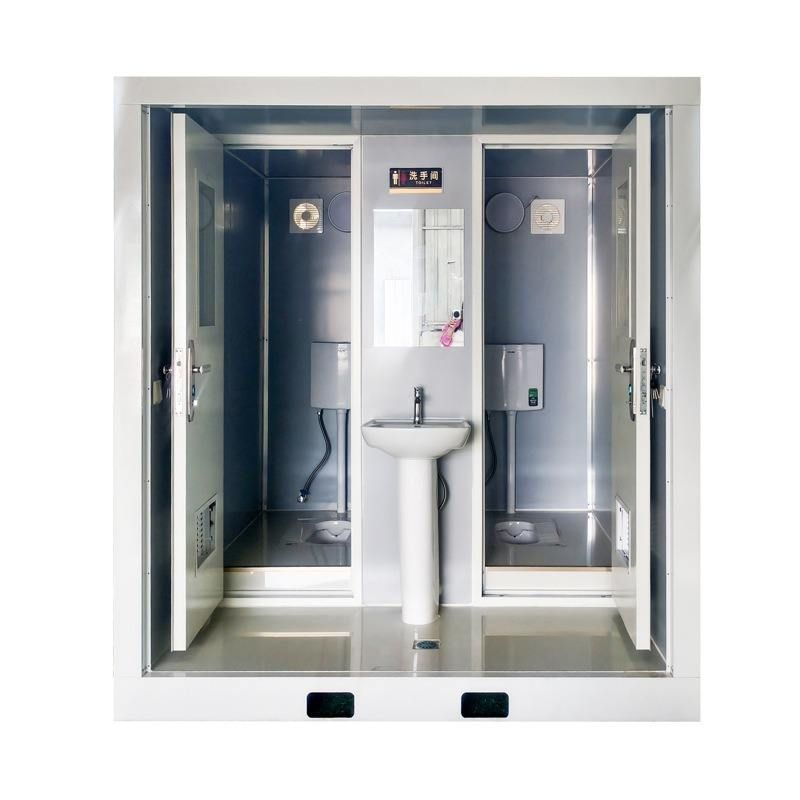
I. Preparation Tools required include a high-pressure washer (optional), long-handled brushes, antibacterial cleaner (pH 7-9), quaternary ammonium disinfectant (dilution ratio 1:200), absorbent mops, non-slip warning signs, as well as auxiliary tools such as buckets, cloths, and neutral cleaners. Operators must wear rubber gloves, masks, and waterproof aprons to ensure proper personal protection.
II. Zone-Specific Cleaning Process
- Exterior Cleaning: Use a high-pressure water jet (pressure ≤5MPa) to rinse the exterior walls, focusing on removing mosquito and fly residues. Apply a silicone-based protective agent to stainless steel components to prevent oxidation. Stubborn stains should be wiped with a neutral cleaner. Clean the ground and check that the drainage ditch is unobstructed.
- Interior Deep Cleaning:
- Walls and Ceilings: Wipe away dust with a damp cloth, paying special attention to vents and corners.
- Sinks and Mirrors: Remove water stains, then clean faucets and drains. Use glass cleaner on mirrors.
- Toilet Treatment: Use biological enzymes to break down stains, then clean pipe bends with a spherical brush. Alternatively, soak with a specialized cleaner and thoroughly scrub the interior walls, focusing on the outlet and edges.
- Floor Non-Slip Treatment: Apply a non-slip agent (friction coefficient ≥0.6) or mop with a cleaner followed by a water rinse.
- Smart Systems: Check the response time of automatic sensors (≤0.5 seconds).
III. Disinfection High-touch surfaces (such as door handles and flush buttons) should be wiped with chlorine-based disinfectant tablets (effective chlorine 500mg/L). Air disinfection should be carried out using hydrogen peroxide fogging equipment (concentration 3%-6%). Disinfectants should be allowed to act for the duration specified by the product instructions before being wiped off with water.
IV. Handling of Special Situations Vomit should first be solidified with an absorbent gel and then disposed of as infectious waste. In winter, pour -30℃ antifreeze into the drainage pipes to prevent freezing.
V. Quality Inspection Use an ATP fluorescence detector to verify disinfection effectiveness (reading ≤200RLU). Regularly commission third-party testing for microbial indicators (coliform bacteria must not be detected).
VI. Replenishment of Supplies After cleaning, promptly replenish consumables such as toilet paper and hand soap. Check that tissue boxes and soap dispensers are intact and replace any damaged parts.



