
Mobile Toilet Cleaning Images
Currently, we cannot directly provide images of mobile toilet cleaning, but we can describe the cleaning process and scene characteristics in detail. Mobile toilet cleaning is an important part of urban environmental sanitation management, mainly involving the collection, transportation, and treatment of waste such as feces and sewage, and the process must strictly adhere to hygiene and environmental protection standards.
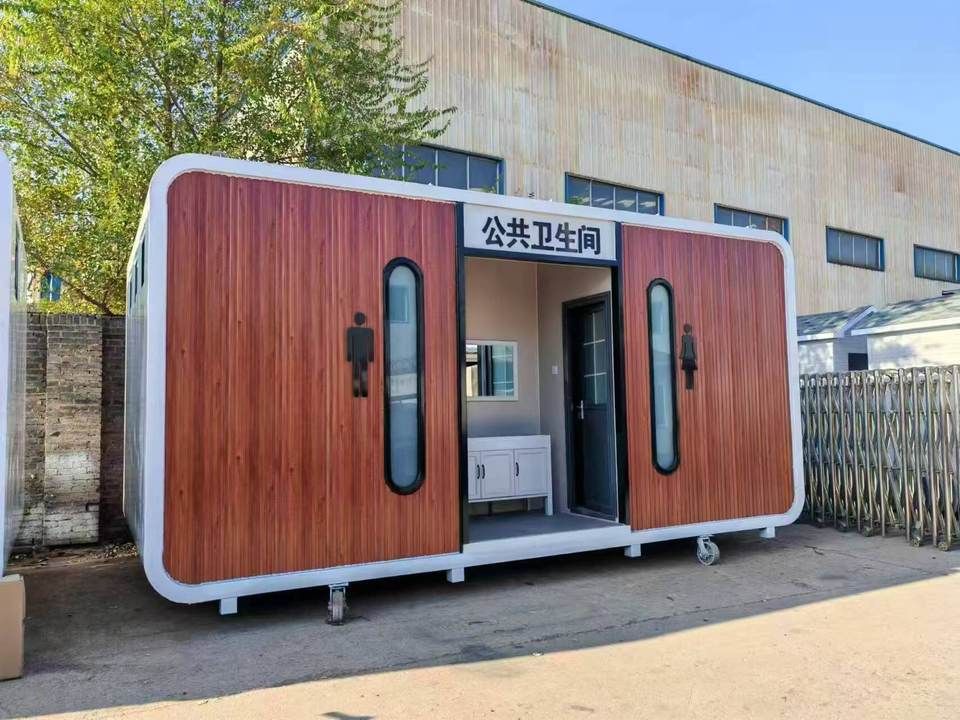
Core Aspect of the Cleaning Process
Feces Collection
Mobile toilets are usually equipped with feces storage tanks or vacuum suction systems. When the feces storage tank is full, cleaning personnel will use a dedicated sewage suction truck to connect to the toilet's drainage outlet via pipes and use negative pressure to suck the feces into the sealed tank inside the vehicle. For packaged mobile toilets, the full feces bags need to be manually replaced and sealed to prevent leakage.Sewage Transfer
The sewage in the toilet (such as hand-washing water) flows into the sewage tank through independent pipes. During cleaning, the connection method between the sewage tank and the sewage suction truck is similar to that of feces collection, but it is necessary to distinguish the pipes to avoid cross-contamination. Some high-end mobile toilets adopt an integrated treatment system that can perform preliminary filtration or disinfection of the sewage on-site to reduce the amount of transfer.Transportation and Treatment
The sewage suction truck transports the waste to designated treatment sites, such as sewage treatment plants or feces harmless treatment stations. During transportation, the tank must remain sealed to prevent odor diffusion or liquid leakage. The treatment process may include solid-liquid separation, biodegradation, chemical disinfection, etc., ultimately achieving resource utilization (such as producing organic fertilizer) or compliant discharge.
Typical Characteristics of the Cleaning Scene
- Specialized Equipment: Sewage suction trucks are usually yellow or green dedicated vehicles equipped with anti-corrosion tanks, high-pressure pumps, and metering systems, with sanitation logos printed on the vehicle body.
- Standardized Operations: Cleaning personnel need to wear protective clothing, masks, and gloves. Before operation, they check the tightness of the equipment and clean and disinfect the inside and outside of the toilet after completion.
- Environmental Adaptability: Mobile toilet cleaning needs to adapt to different scenarios, such as scenic spots, construction sites, or temporary event venues. Therefore, sewage suction trucks need to have flexible passability, and some models are also equipped with small suction equipment to deal with narrow spaces.
Environmental Protection and Safety Requirements
The cleaning process must strictly comply with the "Regulations on Urban Drainage and Sewage Treatment" and local environmental protection standards, for example:
- Waste transportation should avoid peak hours in residential areas;
- The wastewater from tank cleaning should be collected and treated separately;
- Regularly inspect vehicle exhaust emissions to avoid secondary pollution.
If you need to obtain actual images of mobile toilet cleaning, it is recommended to contact the local sanitation department or consult the official website of urban management. Some regions will publicize promotional materials on the sanitation operation process.



